
Does ube have what it takes?


Move over, matcha. Make room, pistachio. Even gingerbread might need to step aside — because ube is officially entering its purple era.
The Filipino purple yam is turning up everywhere, from creamy lattes and iced matcha to hot chocolates, waffles, cakes and ice cream. Its bright violet color is made for the camera, but the real question is: does ube have enough flavor — and staying power — to become the next matcha?
From Filipino classic to café crush
Ube, pronounced “oo-beh,” is a purple yam native to the Philippines. It has a naturally sweet, gently earthy and nutty flavor, often compared to vanilla, pistachio or coconut. It is not the same as a purple sweet potato or taro, although the three are often confused because of their color and starchy texture.
For Filipinos, however, ube is hardly a new discovery. It has long been a beloved ingredient in traditional desserts, especially halayang ube — a rich, creamy purple-yam jam usually cooked with milk, sugar, butter or coconut milk. It is also a familiar presence in halo-halo, ice cream, cakes, hopia, polvoron, tikoy, pastries and other Filipino favorites.
What feels new is the way cafés and food brands are giving this nostalgic flavor a modern, highly appealing makeover.
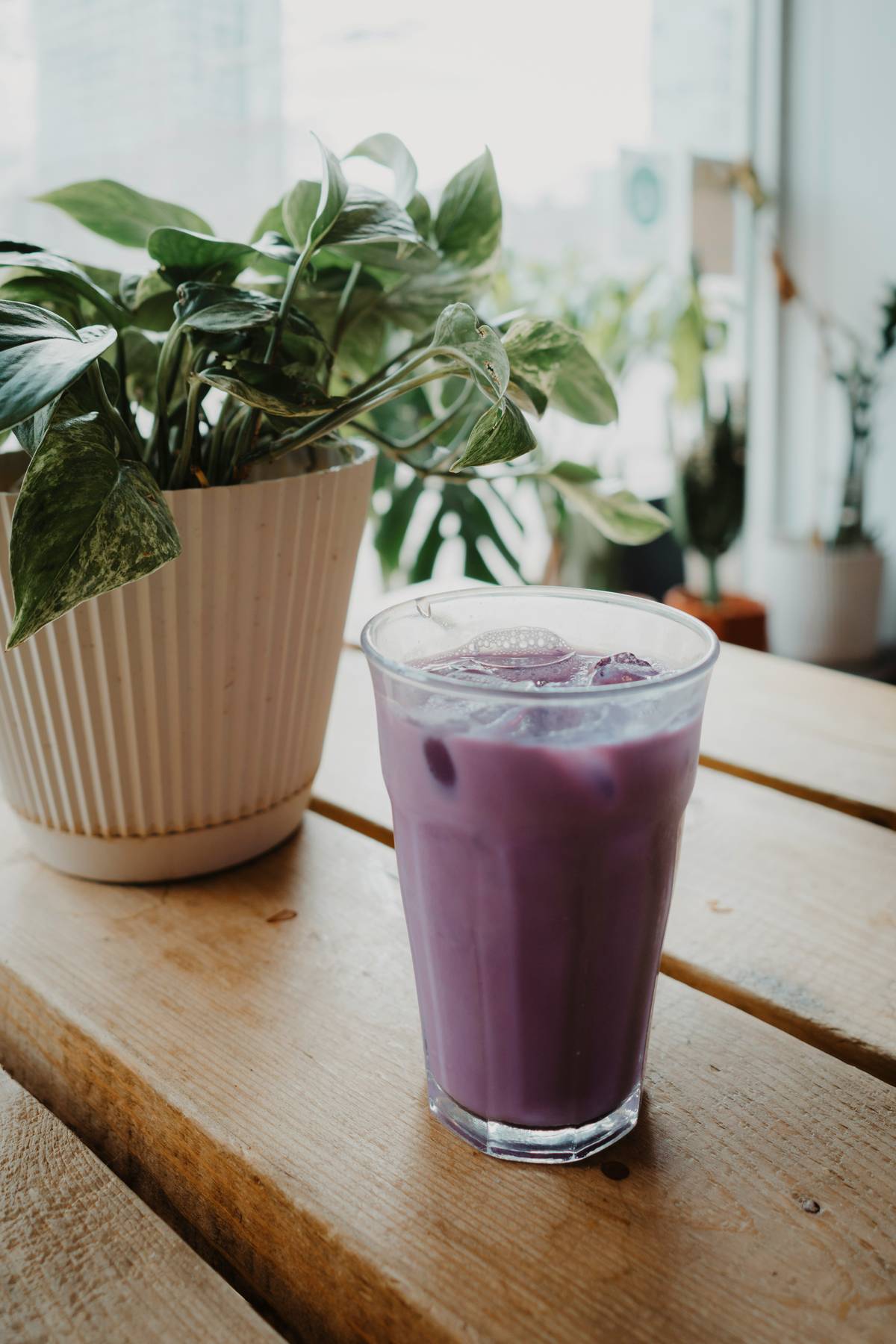
Ube is reaching café cups around the world.
Going craze
In the Philippines, ube is already making its way into an expanding lineup of drinks. Pickup Coffee has its Ube Cheese Cream Milk, while Zus Coffee offers creamy ube lattes and frappes. Coffee Project combines two internet-famous flavors in its Iced Ube Matcha, and Cooper’s Coffee Haus serves several versions of the ube latte. Famous Belgian Waffles has also joined the conversation with an Ube Coconut Latte.
And the trend is not limited to coffee. Ube works in brownies, cookies, soft-serve, milkshakes and even savory dishes such as mash and dumplings. That versatility is part of its appeal: one ingredient can feel traditional, playful, luxurious or completely experimental, depending on how it is served.
Why is everyone talking about it?
Part of the answer is visual. In an age when food trends live and die on TikTok and Instagram, ube arrives with an instant advantage: that unmistakable lilac-purple color. Like Dubai chocolate and Japanese cheesecake yogurt before it, ube is the kind of food that can stop a scroll before anyone has even tasted it.
But the hype is not only about aesthetics. Ube offers something different from the familiar bitterness of coffee or the grassy profile of matcha. Its flavor is softer and more dessert-like, with warm vanilla notes, a subtle nuttiness and a faint earthiness. In drink form, it is usually paired with milk, cream, coconut, espresso or matcha, making it easy for curious customers to try.
The algorithm helps, too. The more ube content people watch, like or share, the more purple drinks appear on their feeds. Suddenly, one café post becomes a trend, and the trend becomes your entire For You page.
Is ube the new matcha?
Probably not — and that may be the point.
Matcha is already a café staple, and ube is more likely to join it than replace it. In fact, the two flavors are increasingly paired in eye-catching purple-and-green drinks made for social media.
Ube entered mainstream coffee culture in 2025, appearing on menus at Pret, Black Sheep Coffee, Starbucks and Costa Coffee. Its growing popularity raises an important question: Can ube become a global trend without losing the Filipino identity that makes it special?
Ube’s rise shows how ingredients with deep cultural roots can find new audiences through cafés, modern packaging and social media. It also creates opportunities for Filipino farmers, producers and food manufacturers as demand grows.
So when a purple latte appears on your feed, look beyond the color. Ube is more than a viral drink — it’s a Filipino staple stepping onto the global stage, one creamy cup at a time.
Whether it becomes the next matcha remains to be seen. For now, ube is having its own match-a moment.