
Putong ube: The recipe that raised a family
Through years of dedication, the family's efforts paid off. All 10 siblings finished college and pursued successful careers in different fields.
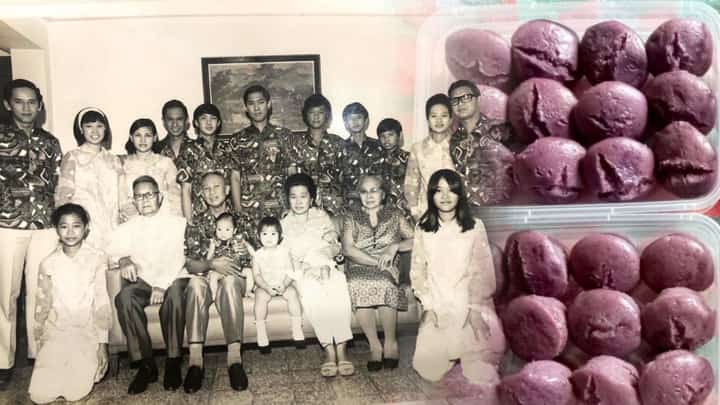
As ube gains international recognition—with many calling it the "new matcha" for its growing popularity in cafés and desserts around the world—it is easy to forget that long before it became a global food trend, it had long been a cherished staple in Filipino kitchens and family traditions.
For one family, ube is more than a flavor. It is a symbol of resilience, sacrifice, and an 87-year legacy built through generations of hard work.
Today, Gabby Lopez continues to preserve a family recipe that began in 1939, when his grandmother, affectionately known as "Nanay Aciang," first created what would become the family's signature putong ube.
A native of Nueva Ecija and the wife of Cebu City's first mayor, Alfredo V. Jacinto Sr., or "Tatay Pedong," Nanay Aciang had a deep passion for cooking. Together with Gabby's mother, Renee Lopez—fondly called "Mama" or "Mamina Renee"—she perfected a secret recipe for the purple yam-flavored steamed rice cake using fresh ube that the family carefully boiled, ground, and mixed with other ingredients by hand.
What began as homemade treats shared with friends and served during family gatherings soon earned a loyal following through word of mouth. Guests consistently praised the soft, flavorful putong ube, prompting the family to accept small orders by commission.
In those early years, the business remained modest. Without employees or delivery services, customers simply picked up their orders from the family's home.
A family built on purple yam
By 1955, the family's humble food venture had grown into a small neighborhood business operating from the garage of their Santol Street home in Cebu. While putong ube remained its bestseller, the family gradually expanded its offerings to include chicharon, puto caramba, ukoy made from squash, and pansit luglog with tokwa't baboy.
The business never carried an official brand name. Instead, customers simply knew it as "Putong ube, chicharon at kakanin ni Misis Renee Lopez ng Sta. Mesa."

Mr. Gabby Lopez in an interview with DAILY TRIBUNE
Despite its growing reputation, affordability remained a priority. The family sold each piece of putong ube for only 50 centavos before eventually raising the price to P1.50.
The small business became more than a source of extra income. It helped augment the salary of Gabby's father, Engr. Justo N. Lopez Sr., while supporting the education of the couple's 10 children, all of whom attended private schools.
Through years of dedication and hard work, the family's efforts paid off. All 10 siblings finished college and went on to pursue successful careers in different fields. The eldest, Manolo Lopez, earned a degree in Banking and Finance from San Sebastian College before transferring to the University of the East (UE). Meanwhile, Gabby completed degrees in Humanities from Ateneo de Manila University and Urban Planning from the University of the Philippines (UP).
Keeping the tradition alive
Although the business no longer operates commercially, Gabby continues to prepare the family's putong ube for relatives, friends, and special occasions.
He admits that rising ingredient costs and the lack of manpower make it difficult to revive the business full time. Still, preserving the recipe remains a personal mission.
Rather than keeping it a closely guarded secret, Gabby has chosen to share the family's recipe with relatives, friends, and acquaintances, believing that traditions survive by being passed on rather than hidden.
For him, good cooking is about more than ingredients.
The true flavor, he says, comes from preparing food with love, dedication, and a willingness to keep improving through the people who enjoy it.
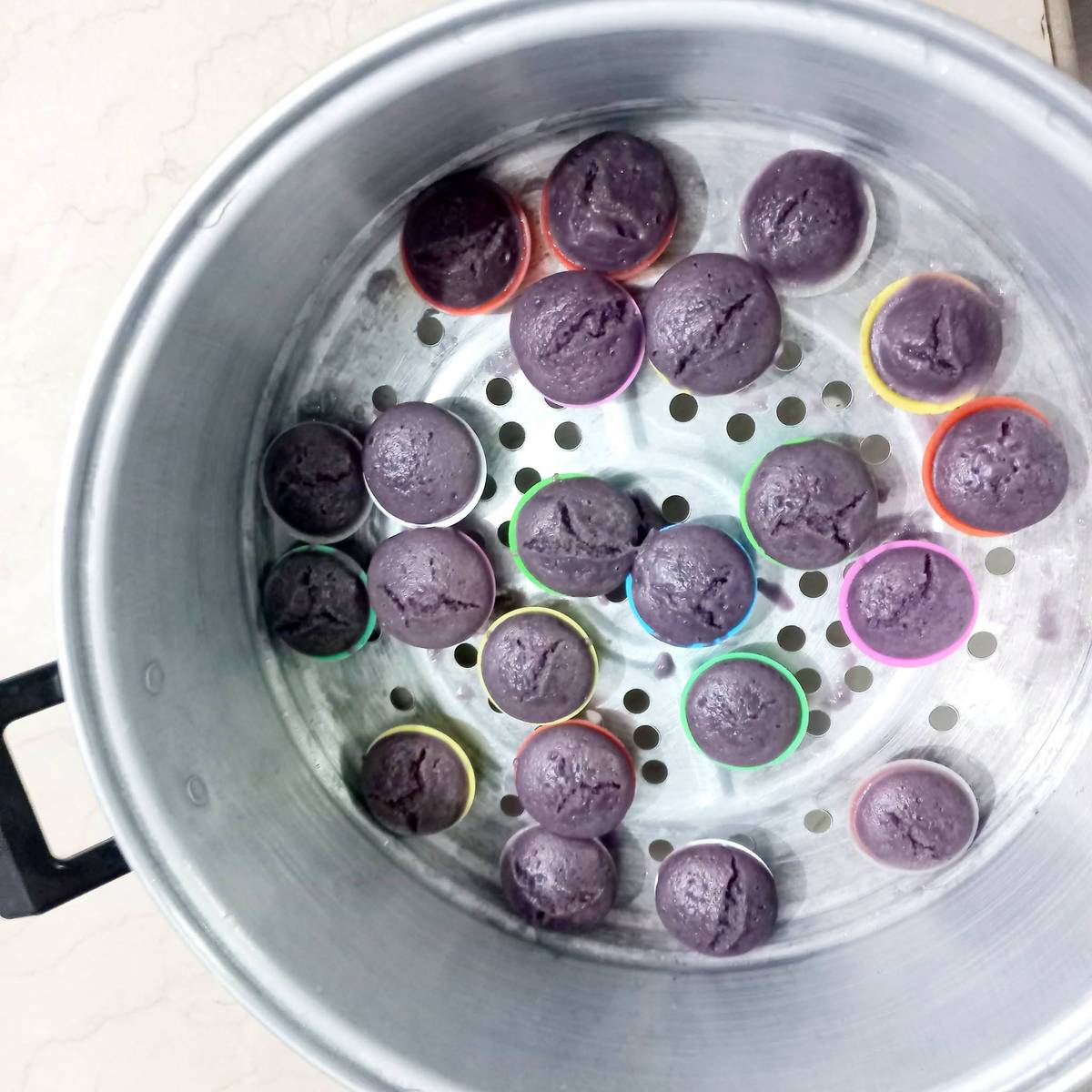
Mr. Gabby Lopez proudly showcases his homemade putong ube, prepared using his family's heirloom recipe that has been passed down through generations since 1939.
More than just ube
Nearly nine decades after Nanay Aciang first mixed fresh purple yams into steamed rice cakes, the family's putong ube continues to tell a story far greater than a single delicacy.
It is a story of perseverance, family unity, and Filipino ingenuity—a reminder that behind every cherished recipe lies generations of sacrifice, shared labor, and love.
As ube finds new audiences around the world, the Lopez family's enduring tradition serves as proof that some of the country's most treasured flavors are also among its most meaningful legacies.