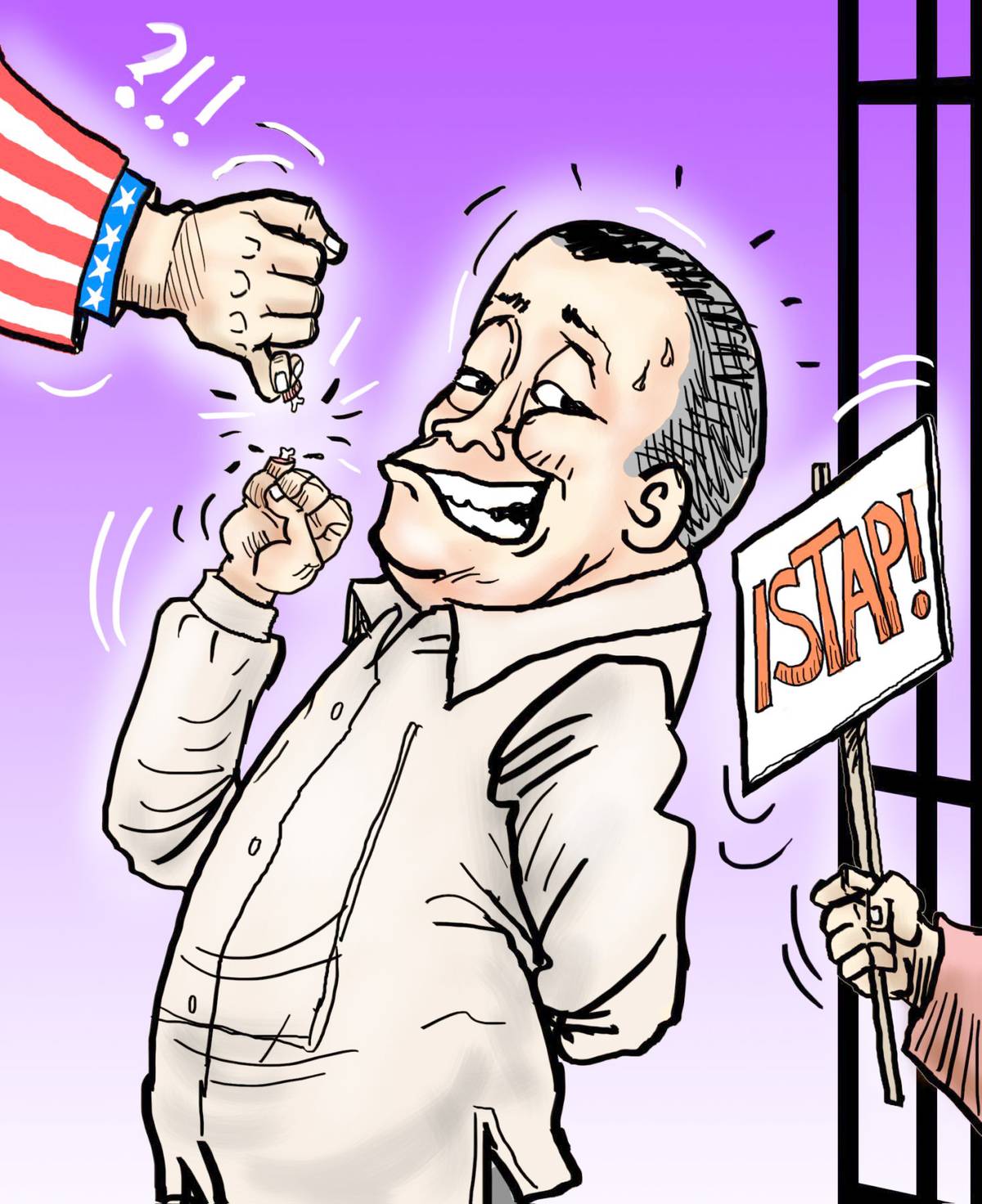
Peddling a pipe dream

State lawyers, including a Cabinet official known for choosing his words more carefully than most, are suddenly making promises they cannot keep. A court veteran intimated to Nosy Tarsee that the head of an agency is now under extreme pressure to honor a decades-old treaty.
Washington wants a controversial preacher sent north to face trafficking charges. The department has the paperwork. What it does not have is the authority to bind an American court.
Yet a senior state counsel speaking for the department has already assured the public that, if convicted, the preacher will not face execution — a promise the Philippines is in no position to make.
Capital punishment for federal sex trafficking and cash smuggling charges is a matter for American prosecutors, juries and sentencing guidelines — not for a foreign department’s spokesman trying to get ahead of a story.
Insiders explained to Nosy Tarsee that the guarantee was meant to calm the preacher’s considerable base — millions of followers who treat any legal setback for their leader as religious persecution. But making assurances about a punishment decided in another country’s courtroom is the kind of overreach that comes back to bite.
The department secretary, a technocrat installed to project competence after a string of institutional embarrassments, has said little publicly, letting subordinates carry the message. That may be deliberate distance-keeping. It may also be a sign that even he knows the promise was premature.
The department itself concedes the extradition court’s ruling can be appealed, which means the timeline everyone is quietly hoping for — a clean handover before public attention shifts elsewhere — is far from assured.
There is also the credibility question hanging over the exercise. A treaty partner that talks tough about honoring its obligations while making side promises it cannot enforce risks looking less serious, not more.
Foreign affairs veterans who have watched extradition cases unfold before say Washington rarely appreciates being handed conditions it did not ask for.
The preacher, for his part, continues to insist the whole affair is a witch hunt dressed up in legal robes. Whether the courts agree is beside the point for now. What matters is whether the department can keep writing checks that would be difficult to cash.