
BCDA, RDC3 eye regional coordination to boost safety measures of Pax Silica

The Bases Conversion and Development Authority (BCDA), the Regional Development Council 3 (RDC3) and the Department of Economy, Planning, and Development (DepDev) Region 3 are eyeing to boost safeguards, community preparation, and development planning thru regional coordination.
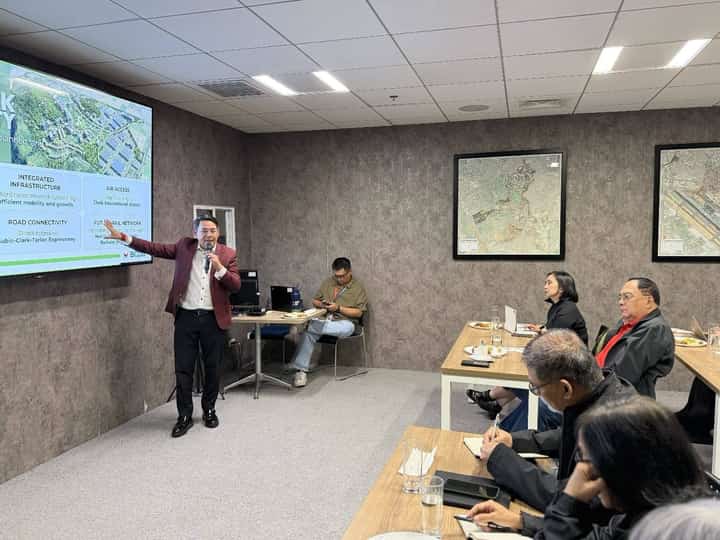
During a meeting at the New Clark City on 7 August 2026, BCDA President and CEO Joshua M. Bingcang met with Zambales Governor and RDC3 Chairperson Hermogenes Ebdane and DepDev Region 3 Director Nerrisa Esguerra.
The meeting aims to align on the proposed Pax Silica Innovation Ecosystem in New Clark City and how regional coordination can help strengthen safeguards, community preparation, and development planning across Central Luzon.
The discussion focused on how the proposed development can complement Central Luzon’s broader economic priorities, strengthen regional industries and connectivity, and create opportunities that extend beyond New Clark City.
BCDA and its regional partners also emphasized community engagement and social preparation to help ensure that the proposed development is responsible, inclusive, and responsive to the needs of communities across the region.
Through closer coordination among national agencies, local governments, and regional stakeholders, the proposed Pax Silica Innovation Ecosystem can contribute to a more connected and competitive Central Luzon, attracting strategic investments, creating quality jobs, strengthening local businesses, and expanding opportunities for Filipinos.
Pax Silica is a United States-led international coalition launched in December 2025 to secure global supply chains for semiconductors, artificial intelligence infrastructure, and critical minerals while reducing reliance on China. The Philippines joined the initiative to host a proposed 1,620-hectare AI-native industrial hub in New Clark City, Tarlac.
Site development in the planned US-led artificial intelligence (AI) hub Pax Silica in Central Luzon is eyed to start within three to five years, covering around 500 hectares of the 1,620-hectare site.
Full operations is seen within a 30-year period, which is projected to increase the country’s exports to around USD200 billion.
In 2025, merchandise exports posted a record-high USD84.48 billion, largely driven by semiconductors.
The Pax Silica project is seen to make the Philippines an AI hub, allowing more semiconductor firms and those catering to AI needs to locate in the country.