
Bank of Korea told to kick its carbon habit

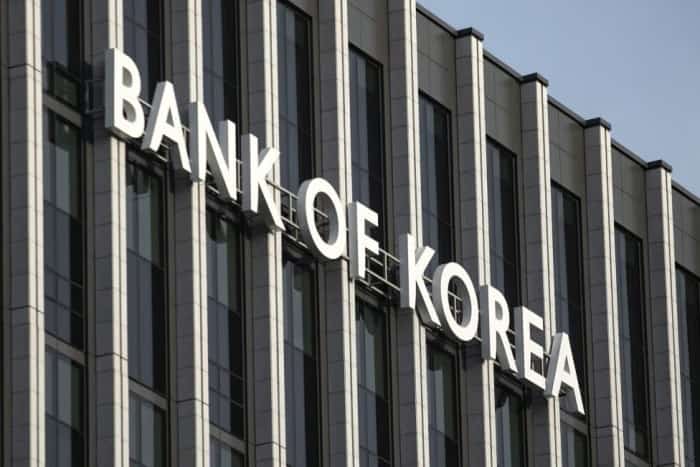
The Bank of Korea’s (BoK) collateral policies favor high-carbon assets over green investments, effectively providing an “implicit subsidy” to fossil fuel-intensive industries, a new study found.
Research by the Institute for Green Transformation (IGT) and Positive Money showed that more than half of bonds pledged by financial firms as BoK collateral come from fossil fuel and high-emission sectors. Green and sustainability bonds account for less than 2 percent.
The study also found that the average “haircut,” or reduction in collateral value to account for risk, imposed on green bonds is twice the average across all bonds. Researchers said this makes green bonds less attractive while favorable treatment of high-carbon assets can help their issuers access cheaper financing.
Despite the BoK saying its measures made 70 percent of green bonds eligible as collateral, researchers found green bonds represented just 0.4 percent of collateral actually pledged.
Between 2021 and 2025, fossil fuel and high-emission bonds pledged as collateral increased sixfold, compared with a threefold increase for green and sustainability bonds.
“The preferential treatment that high-carbon assets receive within the Bank of Korea’s collateral framework acts as an implicit subsidy to these sectors,” Positive Money senior researcher Joe Herbert said.
Giwon Choi of IGT said the findings showed the framework “structurally favours fossil fuels over green assets.”
The groups urged the BoK to explicitly recognize green bonds in its collateral framework, adjust haircuts based on environmental risks and exclude assets associated with severe environmental risks. They also called for greater disclosure of environmental information on the central bank’s collateral pool.