
Court risks mistrial with ruling

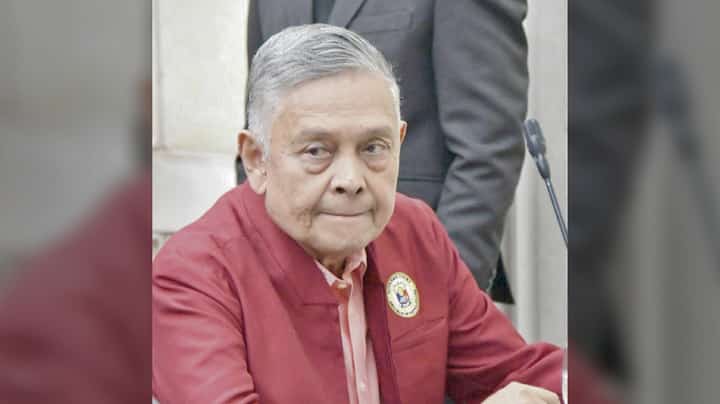
The Senate impeachment court’s decision to bar the defense from presenting rebuttal evidence on three withdrawn impeachment articles against Vice President Sara Duterte could raise due process concerns and justify a mistrial, retired Supreme Court Associate Justice Noel Gimenez Tijam has warned.
Tijam argued that because the prosecution’s testimonial, documentary, digital and other evidence presented will remain on the record of the impeachment trial, the defense should be allowed to present countervailing evidence to challenge it in the interest of due process and fairness.
“Due process and constitutional justice require that the side of the defense should be heard to contravene the prosecution evidence on the record to ensure fair play and discount arbitrariness,” Tijam wrote on social media.
“To deny the defense that right would be a ground for mistrial,” he added.
Tijam proposed two options for the impeachment court: allow the defense to present evidence rebutting the prosecution’s case on the three withdrawn articles, or expunge the prosecution evidence related to those charges from the record.
He warned that expunging the evidence could have consequences for the prosecution team.
“The prosecutors can be cited in contempt for wasting the time of the Senate or for obstruction of justice,” Tijam said.
He added that Congress could discipline the prosecution panel through suspension or removal for what he described as unethical conduct arising from the use of public funds to pursue charges that were eventually withdrawn.
“The Ombudsman can investigate whether the wasteful use of millions in public funds to pursue a bogus and malicious prosecution which was later withdrawn amounts to plunder,” he said.
Tijam also questioned whether the prosecution had pursued the case without sufficient evidence and whether taxpayer money had been wasted in the process.
“Did the impeachment prosecutors persecute the Vice President only in aid of calumny?” he asked, saying the defense should raise the question and the prosecution should answer it.
He also challenged the Senate impeachment court to ask the prosecution whether it had presented insufficient evidence and unqualified witnesses, thus wasting the court’s time and potentially warranting sanctions.
“Who will answer for the hundreds of millions in public funds remitted by taxpayers that were recklessly and fruitlessly wasted by the prosecution?” Tijam asked, stressing the Filipino people deserved an answer.
He described the impeachment proceedings as “a foolish profligate charade of nothingness inside and a veneer of political harassment at its core.”
Tijam also called on reform-minded government officials to remove those he described as corrupt, inefficient, and incompetent from public service.
The Senate impeachment court ruled that Duterte would no longer have to present evidence to defend herself against the withdrawn articles. It also lifted the sub judice restrictions on the allegations, allowing Duterte and her lawyers to address them publicly, subject to existing confidentiality and protective orders.
The court limited the defense’s presentation of evidence to the remaining unexplained wealth article.
Defense objection
The defense had objected to being denied the opportunity to rebut allegations already presented during the proceedings. Lead counsel Sheila Sison argued that the withdrawal of the articles should not determine how Duterte and her lawyers would present their case.
The prosecution, meanwhile, said narrowing the trial to one article would expedite the proceedings and reduce the burden on the Senate, the respondent, and the public.