
Undas and the struggle for survival among informal workers
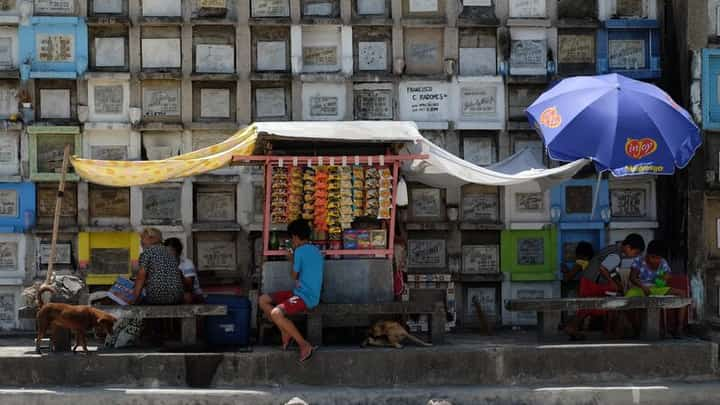
Undas is the Filipino term for the annual observance of All Saints’ Day and All Souls’ Day on 1 and 2 November, respectively. Rooted in Catholic tradition, it has evolved into a uniquely Filipino blend of remembrance and reunion, drawing millions of families to public cemeteries to honor their departed loved ones.
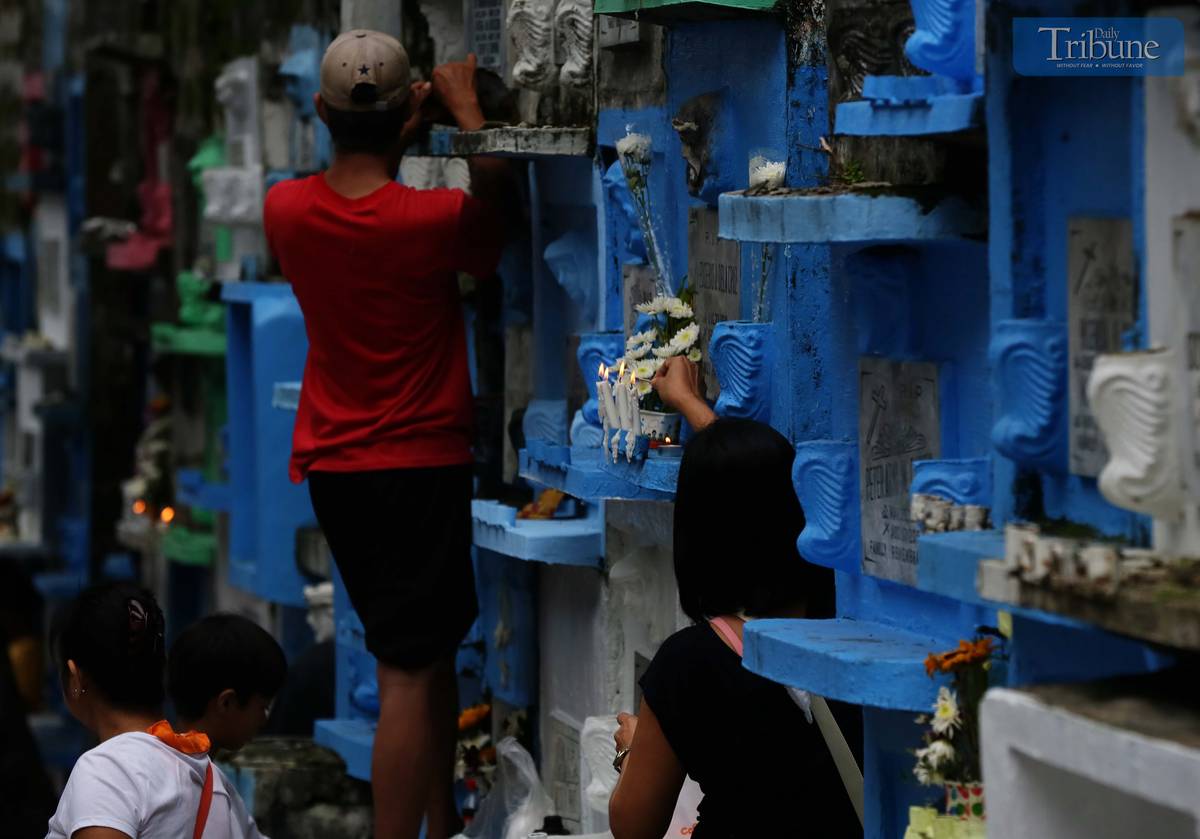
Photo by Analy Labor
Beyond family gatherings, Undas triggers a familiar public narrative: a temporary surge in sales for small vendors who line the streets outside cemeteries, selling candles, flowers, snacks and drinks. For two days, these informal workers become a vibrant fixture of the landscape.
However, this brief window of commerce masks a harsh reality. For the other 11 months of the year, city authorities treat these same vendors as public nuisances, conducting aggressive clearing operations that criminalize informal labor. Cornered by systemic precarity, many vendors endure grueling 48-hour continuous shifts on 1 and 2 November, reinforcing the idea that extreme bodily strain is necessary for basic survival.
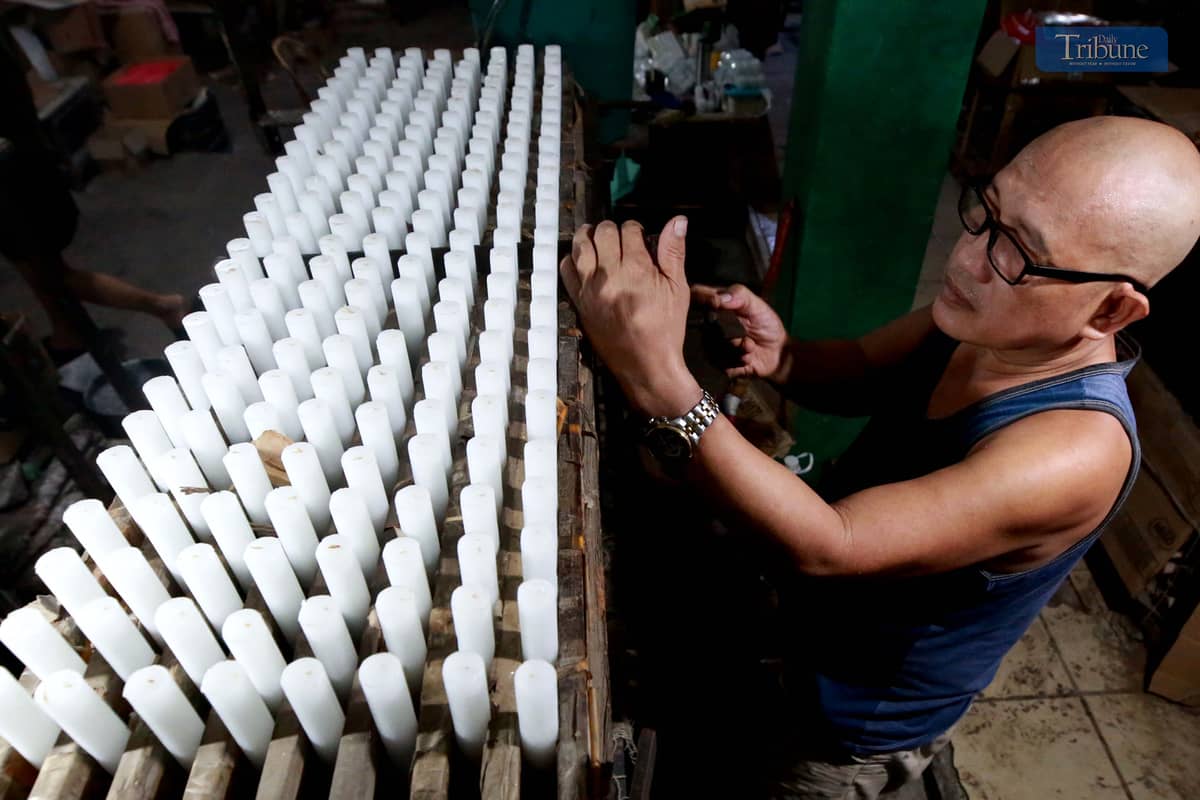
Photo by Analy Labor
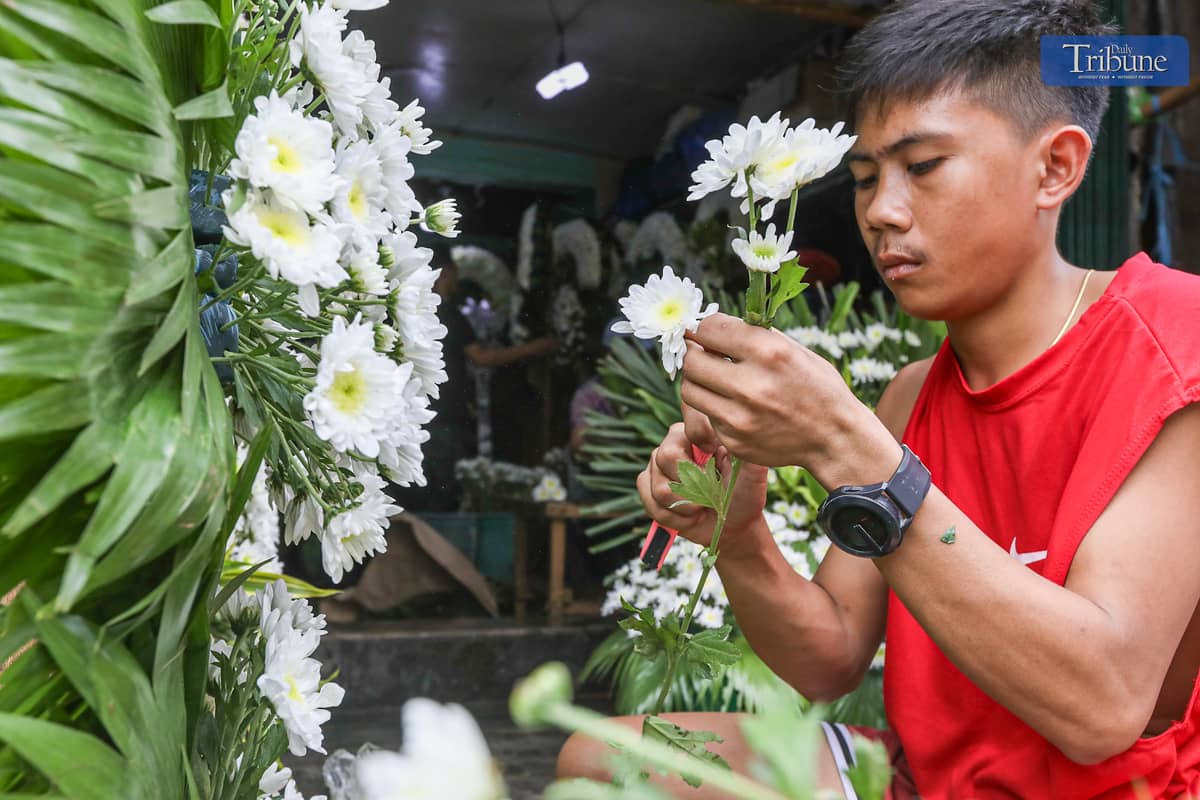
Photo by John Louie Abrina
Public cemeteries and their surrounding streets transform during Undas into focal points of class struggle. They are not neutral public squares; they are battlegrounds where the urban working class fights for a fleeting right to occupy space.
For the rest of the year, local governments enforce laws designed to sanitize public spaces, denying informal workers permanent livelihoods under the guise of urban order. Then, during Undas, the state selectively relaxes these rules, granting temporary “special permits” that generate revenue from vendors while continuing to deny them long-term security, labor rights or protection from police extortion.
Undas does not prove that informal enterprise thrives under free-market conditions. Rather, it shows how systemic labor failure forces working-class Filipinos to turn holy days of mourning into desperate hustles for survival.
This seasonal hypocrisy reflects a broader crisis in urban planning, which systematically privileges private, commercialized memorial parks and car-owning elites over the urban poor. Modern, gated memorial parks cater to affluent families, offering manicured lawns, controlled access and sterile environments where commercialized grief is neatly packaged and insulated from the realities of poverty. In contrast, public cemeteries and surrounding thoroughfares are treated as logistical problems to be cleared, widened for traffic or swept clean of pedestrians and informal vendors.
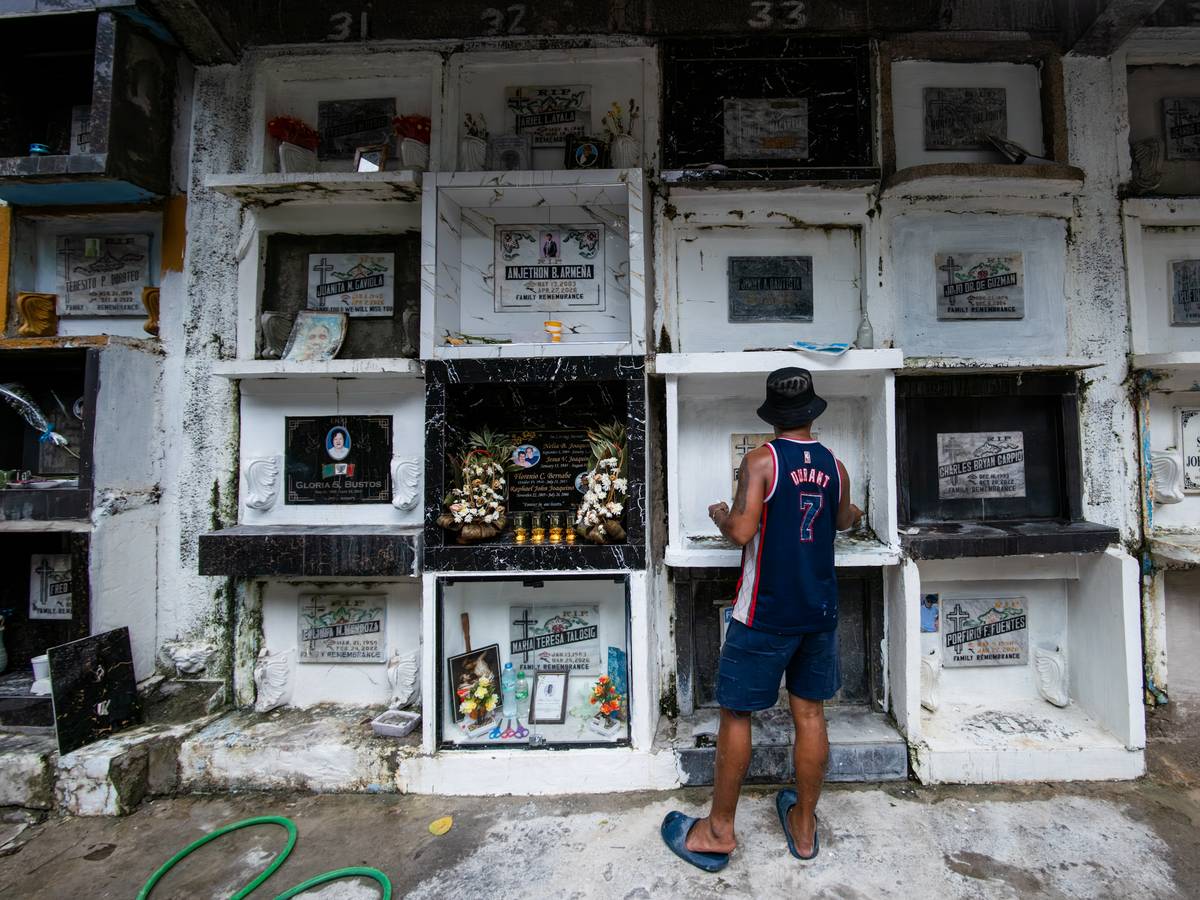
John Carlo Magallon
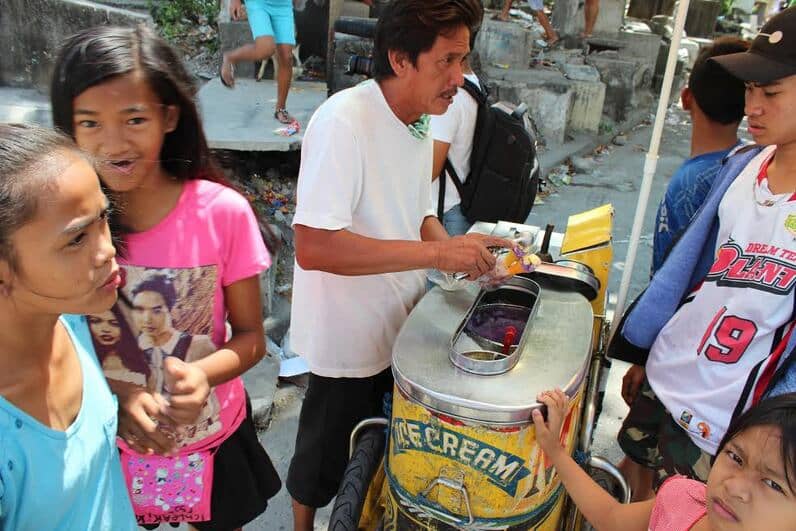
Photo courtesy of Sylvia Thomson/CBC
Urban policies consistently prioritize the convenience of private motorists and commercial interests, pushing working-class families and vendors into cramped, hazardous margins just to mourn their dead and earn a daily wage.
Filipinos are frequently praised for their “resilience,” a personality trait born not of choice but of necessity, where survival depends on enduring systemic neglect.
When consumers view Undas merely as an opportunity to “support local vendors by buying their goods,” they participate in a charity mindset that treats systemic failure as a consumer choice. True solidarity requires looking beyond seasonal patronage and demanding structural policy changes, such as the legal recognition and protection of informal labor rights, the establishment of permanent, secure vending spaces within urban master plans, an end to police harassment, clearing operations and extortion, and institutional guarantees of living wages and social security for all workers.
As much as you honor the dead, give justice to the living.
Photo courtesy of Philippine News Agency