
Iloilo, where the past feels like home
Iloilo perfectly blends the past and the present in its spaces.

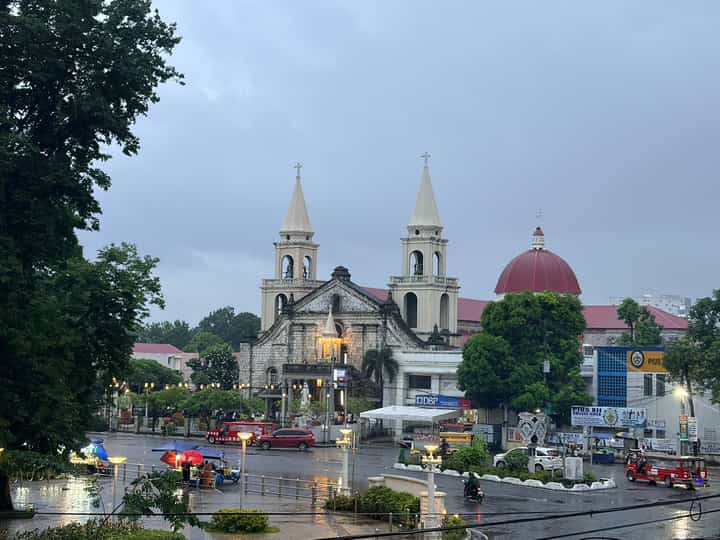
When visiting a province, the first thing that often seems different is the scenery. Many expect wide green fields and nature escapes. In Iloilo, however, there is a deeper realization. Through strong efforts in heritage preservation, the city shows how culture can be protected while still keeping pace with modern growth.
Along the main roads of the city proper, this balance becomes clear. Modern shopping centers such as SM stand alongside preserved heritage homes like the Agatona House in Jaro, now transformed into a café. Visitors can dine in what was once the ancestral home of the Jalandoni-Montinola clan, with a clear view of the Jaro Metropolitan Cathedral of St. Elizabeth of Hungary and the National Shrine of Our Lady of Candles. The family, led by matriarch Doña Agatona Arguelles de Jalandoni, was known for its deep devotion to the church. The house was also recognized as a Principalia Home, a status given to residences of prominent families where Catholic Masses could be held.
The Jaro district still follows the traditional Spanish plaza layout, where the church stands at the center, surrounded by key structures such as the school, town hall, market and homes of influential families. Across the city, other heritage homes have found new life. The Molo Mansion now serves as a Kultura boutique, offering regional finds not commonly seen in Metro Manila branches of SM Supermalls. Meanwhile, Mama’s Kitchen operates from the preserved Sinamay House in Villa Arevalo, once known for its textile industry. The space still houses traditional looms used for sinamay, alongside local delicacies made from mangoes, cacao, pinipig and peanuts.
No visit to Iloilo is complete without seeing the Miagao Church, also known as the Santo Tomás de Villanueva Parish Church, a UNESCO World Heritage Site since 1993. Built with a Tropical Baroque design by Augustinian friars led by Friar Francisco Gonzales Maximo, the church was designed to protect the community from coastal threats. Its thick walls are made from igang, a local limestone, mixed with coral and adobe, then reinforced with sand, lime and eggs. The structure endured the powerful Lady Caycay earthquake, a historic event named after a Hiligaynon term describing a scratching motion, as if the land itself was being marked. Its façade features detailed carvings that depict a rich harvest, reflecting both faith and local life.
A modern stay in Iloilo, Injap Tower Hotel offers comfort at the heart of the city.
The Jaro Belfry rises beside the plaza, a lasting symbol of the district’s heritage.
Molo Mansion stands renewed, blending its heritage past with curated local finds through SM’s Kultura.
The Sinamay House keeps Iloilo’s weaving tradition alive within its preserved walls.
A traditional loom at the Sinamay House.
Iloilo from above shows a city where heritage structures stand alongside modern growth.
For travelers spending time in Iloilo, Injap Tower Hotel offers a convenient place to stay. As the first model of the globally expanding Hotel101 Global hospitality group founded by Edgar “Injap” Sia, it introduces guests to its signature Happy Rooms. It gives visitors a comfortable, modern base while they explore the city’s heritage sites, making each day a balance of rest and discovery.
Iloilo shows that heritage and progress can exist side by side. Its preserved spaces stand not as relics of the past but as living reminders of identity and craftsmanship. Against the backdrop of modern structures, these places continue to tell stories, proving that history is not something left behind but something carried forward.