
DOF, BIR begin Global Minimum Tax rollout
The Philippine government has begun drafting legislation to implement the Global Minimum Tax (GMT), marking a key step toward adopting the OECD/G20-backed international tax framework aimed at preventing multinational companies from shifting profits to low-tax jurisdictions.
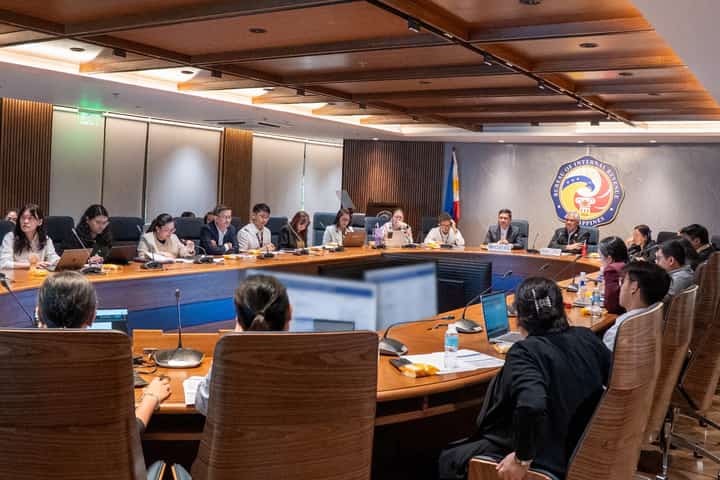
The Bureau of Internal Revenue (BIR), in a statement, said a Joint Technical Working Group (TWG) led by the Department of Finance (DOF) held its inaugural meeting on 7 July to begin crafting the legislative and administrative framework for the new tax regime.
The GMT requires multinational enterprises with at least €750 million in annual global revenues to pay a minimum effective tax rate of 15 percent in every jurisdiction where they operate. The OECD framework was earlier outlined by Finance Secretary Frederick Go, who said its adoption forms part of the government’s broader efforts to attract foreign investment by enhancing the ease of doing business.
“It’s a group of countries that all agreed to follow these rules. And the rate prescribed is 15 percent. That’s the minimum,” he told reporters last month.
“[I]f you follow that minimum and you don’t touch it, it does not affect any of the foreign direct investors. Just like a double taxation agreement, the 15 percent that they pay us here, they don’t have to pay it again in their home jurisdiction,” Go added.
The TWG is chaired by DOF Undersecretary Rolando Ligon, with BIR Commissioner Charlito Mendoza serving as vice chair. Its members include senior officials from the DOF, the BIR and the National Tax Research Center.
The BIR said the government also identified areas where international technical assistance will be needed, including strengthening audit capabilities, upgrading information technology systems for secure international data sharing, and conducting legislative workshops. The group also discussed joining international networks to exchange Global Anti-Base Erosion (GloBE) Information Returns and incorporating Country-by-Country Reporting requirements into Philippine law.
Mendoza said implementing the GMT goes beyond passing legislation, noting that the government must also establish the administrative processes, digital infrastructure, technical capabilities and institutional arrangements needed to effectively administer the new tax system and provide clear guidance to affected taxpayers.
“The DOF and BIR will continue working closely with partner agencies, Congress, development partners, and stakeholders to develop a Philippine Global Minimum Tax framework that is aligned with international standards, administratively workable, and responsive to the country’s fiscal and investment policy objectives,” Mendoza said.