Mystery bail


Something’s rustling in the canopy over at a certain courier-and-remittance conglomerate, making Nosy Tarsee’s whiskers twitch.
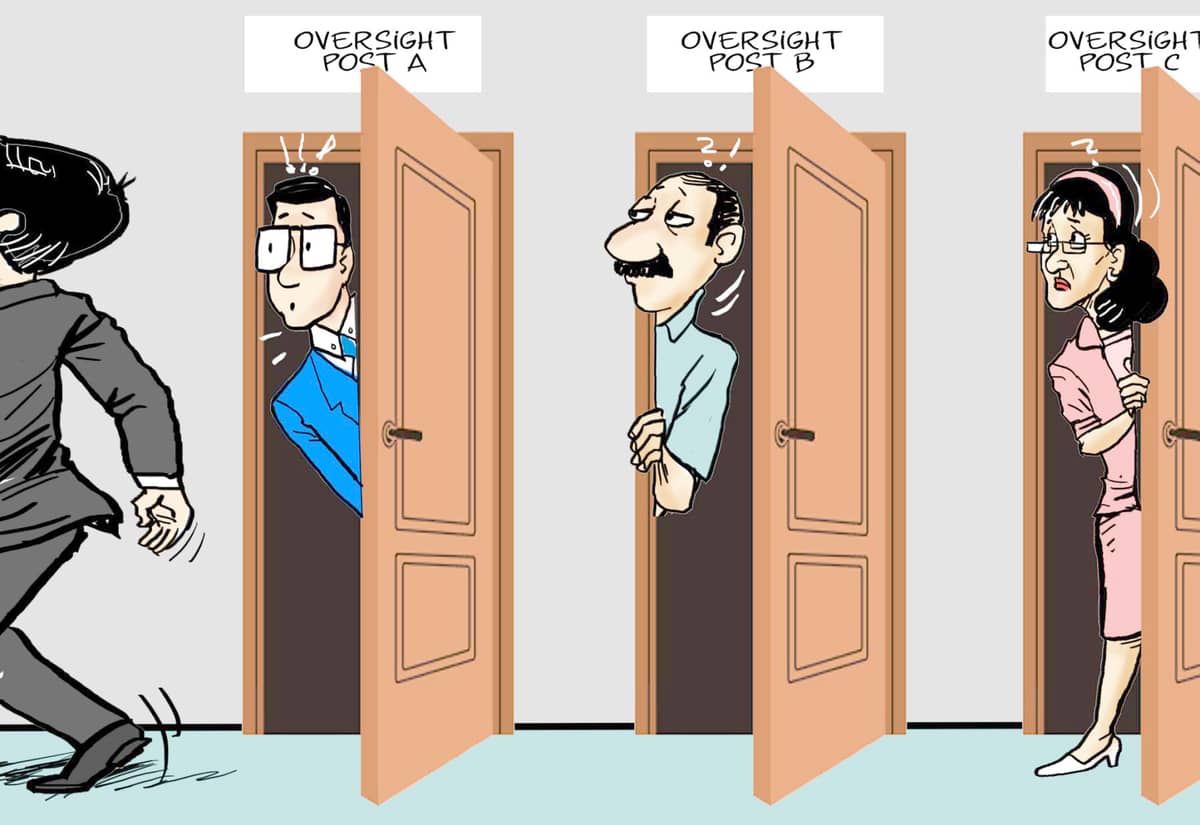
A trade lawyer of considerable pedigree, Harvard-trained and Ateneo-bred, abruptly steps down from not one, not two, but three separate oversight posts at a publicly listed logistics giant. All at once. All effective on the same day. No transition period, no “will remain until the next annual meeting,” none of the usual grace notes companies extend to a departing eminence.
The posts in question were not decorative: Chairman of the committee that vets related-party transactions, chairman of the committee that oversees corporate governance itself and a seat on the audit committee for good measure. If a board wanted someone watching for conflicts of interest, self-dealing, and creative bookkeeping, this was the man. Was.
The disclosure, filed with the exchange in the driest bureaucratic prose imaginable, cited the need to “focus on other matters” that render him “unable to discharge his responsibilities fully.”
Nosy Tarsee has read a thousand of these filings and can say this is the sentence companies use to avoid further questions.
Except Nosy Tarsee doesn’t stop reading, but keeps wondering.
Was there a related-party transaction working its way through the pipeline that needed a friendlier set of eyes? Was there a governance question — the kind that keeps corporate secretaries up at night — that this particular chairman was asking too loudly?
Or is this exactly what it says on the tin: a very busy man with a very full plate?
The departing gentleman built a career on precisely the kind of scrutiny his committees were meant to provide: competition law, trade policy, and the architecture of clean markets. If anyone in that boardroom knew what a red flag looked like, it was him.