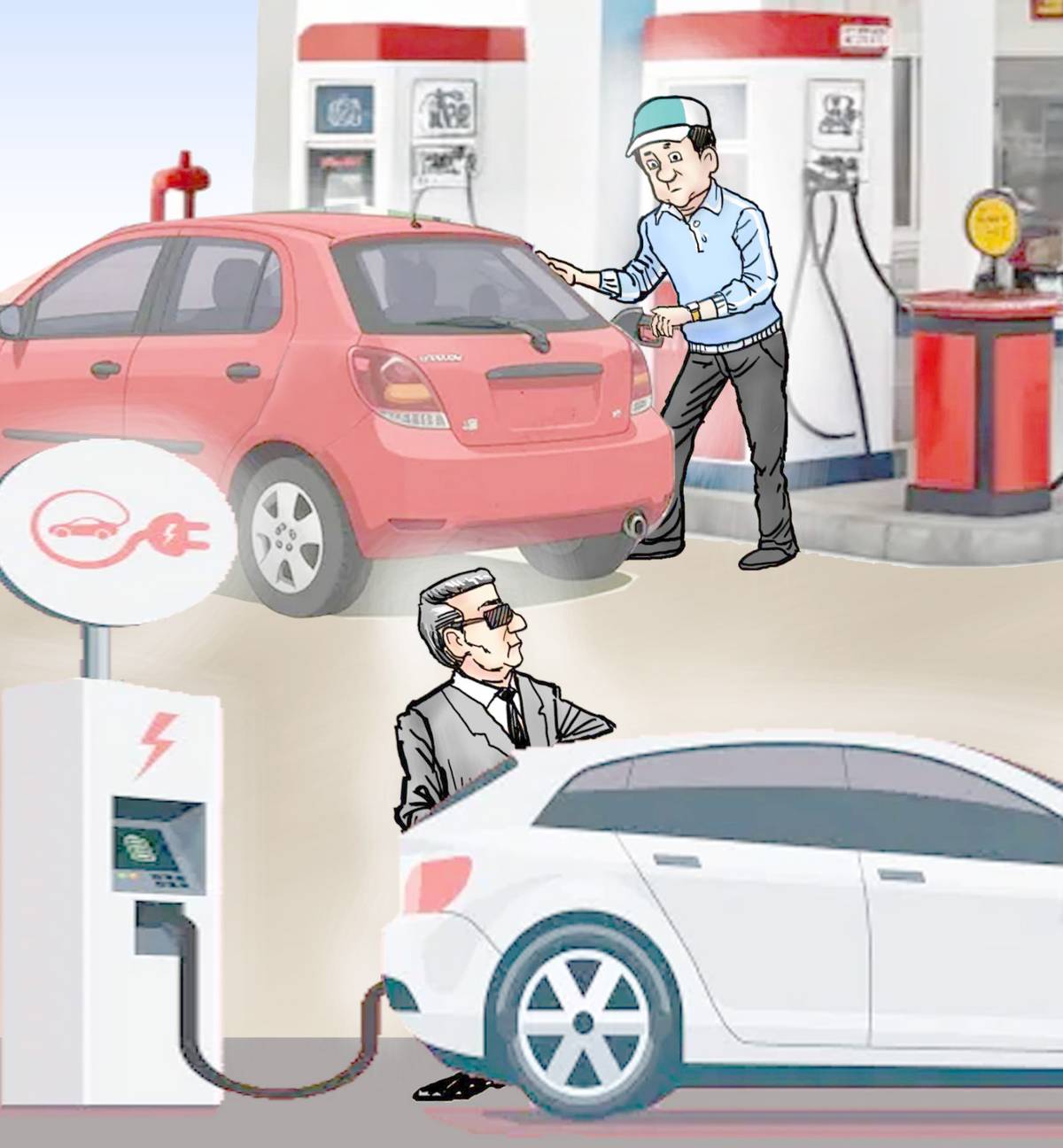
Charging ahead

Market players have tipped Nosy Tarsee about a power company with a sun-and-wind pedigree that has finally flipped the switch that matters — not the kind that turns on a turbine somewhere in Batangas, but the kind that charges a Tesla, a BYD, or whatever quiet little hatchback your neighbor has been bragging about at the barangay hall.
Two charging stations are fully wired and open for business — one along NLEX for the province-bound crowd, the other tucked in Alabang for the Muntinlupa mall rats.
Each site comes equipped with a fast charger for the impatient and a slower AC unit for those who would rather grab a coffee and a nap while the battery charges.
A tip: This isn’t a solo act. Nosy Tarsee’s chattermates whisper that the muscle behind the plugs belongs to a mobility arm under that big blue-and-white conglomerate — the one that’s never met an infrastructure trend it didn’t want a slice of, whether malls, water, telecoms, or now, apparently, amperes.
Its fingerprints are all over the mobility push, and pairing with an energy firm’s renewable subsidiary to electrify old-school gas stations has a certain poetic irony: fossil-fuel pit stops quietly growing an electric appendage.
One of the partner stations even still pumps diesel a few meters from where the electrons now flow. Old economy meets new economy, sharing a parking lot.
But here’s where it gets interesting for market watchers: This isn’t a two-site vanity project meant to generate a press release and then disappear.
Nosy Tarsee’s math says there’s a long runway behind these first two charging stations, with a couple more sites already under construction, more than a dozen in the design and costing stage, a couple of dozen more undergoing site surveys, and a pipeline of more than 50 locations still being evaluated for feasibility.
The numbers suggest someone is building a network, not a novelty. The parent company still earns most of its revenue from the traditional side of the energy business, so watching its renewable subsidiary court an EV ecosystem raises the eternal question that dogs every “green pivot” in this market: Is it a hedge or a genuine conversion?
Nosy Tarsee leans toward believing it’s a bit of both. Nobody builds more than 50 prospective charging sites just for a photo opportunity, but nobody abandons a cash-cow fossil fuel business overnight either.
Meanwhile, EV adoption in the country keeps creeping up, slower than optimists hoped but steadier than skeptics predicted. The real bottleneck has always been range anxiety — the nagging fear of running out of power on the expressway with no charging station in sight.