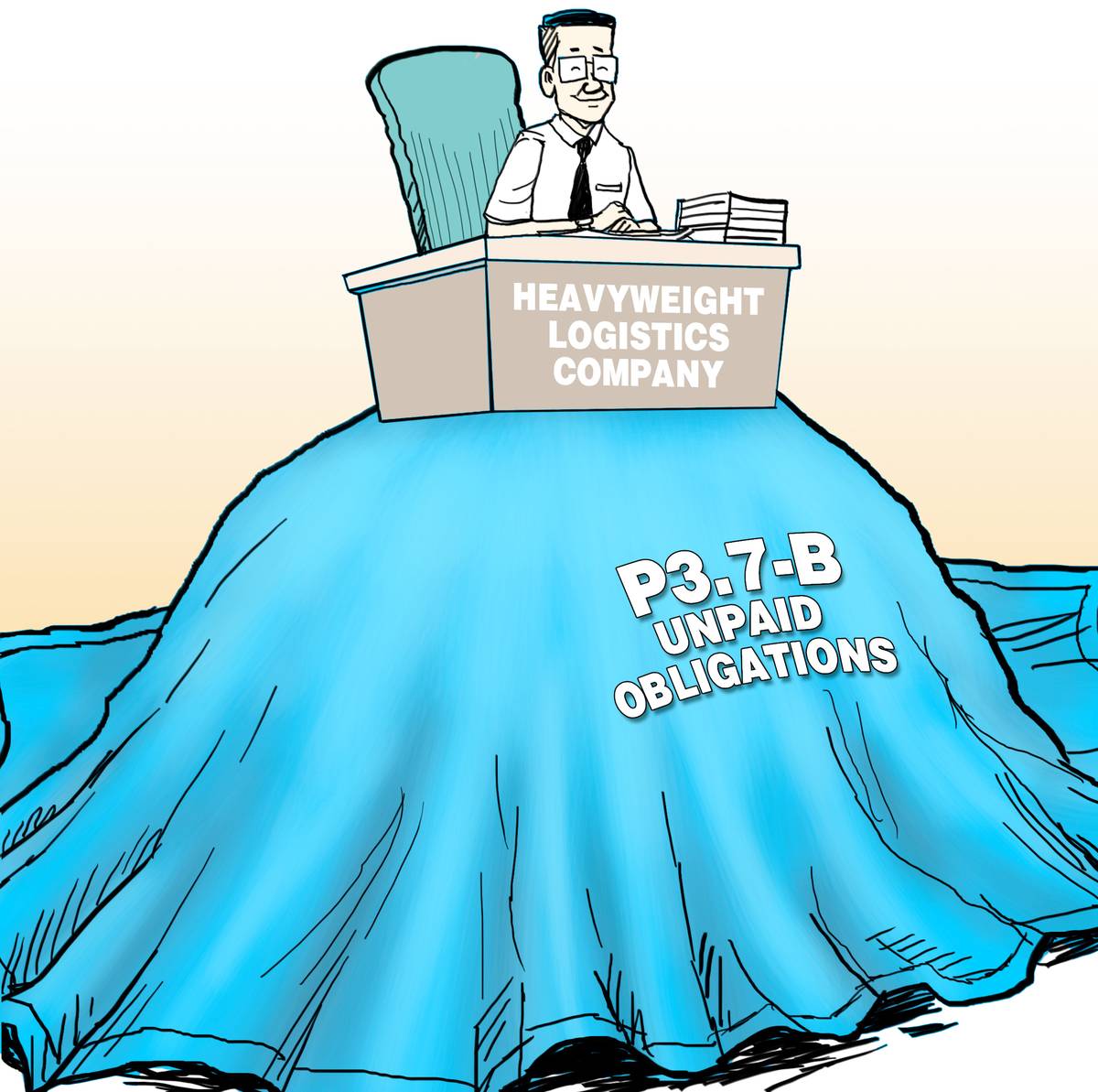
Terminal selective amnesia

The airport authority itself confirms the debt exists, though it hedges a little, noting that a portion of the figure reflects disputed interest charges. Ah, the classic. Admit the principal, contest the penalties. Buy time, buy more time, and meanwhile keep operating out of those government facilities like the meter isn’t running.
And the meter has apparently been running for a very long time.
A consumer advocacy group has done what the relevant oversight offices seemingly haven’t — actually read the numbers and screamed about them in public.
Their message to the Ombudsman? Stop the political nonsense. Stop chasing the administration’s enemies for sport. There’s a P3-billion problem at the airport that nobody’s collecting, and the names on the contracts are sitting right there in the MIAA files.
Subpoena the contracts. Pull the billing records. Audit the occupancy documents. Do your job.
The debtor, to its credit — or perhaps just out of tactical necessity — is now reportedly willing to “negotiate a compromise agreement.” There was even a GOCC opinion handed down as far back as February. Months ago. And still, nothing has moved.
The airport authority GM says they’re open to talks. The logistics firm says it won’t comment. And the Ombudsman, whose job it ostensibly is to go after government officials who look the other way while billions walk out the door? Busy elsewhere, it seems.
The whisper in the terminals — and there are always whispers in the terminals — is that a debt this size, sitting this long, in facilities this strategic, does not survive without friends in useful places. Who signed the original contracts? Who approved the renewals? Who decided the interest was “questionable” enough to hold off collection? And who, pray tell, has been benefiting from the very comfortable arrangement of occupying prime government property while the bill quietly balloons?
The billions stay unpaid. And the Ombudsman stays very preoccupied.
There is a company, let’s call it a very busy one, that moves other people’s cargo through some of the most strategic air gateways in the archipelago. From the country’s premier international airport all the way down south, this logistics heavyweight has its footprint at nearly every major hub worth mentioning. Big operation. Premium facilities. Government-owned real estate, no less.
And yet, for all that hustle and all those boxes moved, this firm apparently forgot, or chose not, to settle its tab with the state.
We’re not talking loose change. Try P3.7 billion in unpaid obligations to a government airport authority as of March this year, certified correct, signed off by the bean counters, and sitting in black and white in an official statement of accounts. Not leaked documents. Not a whistleblower’s Viber screenshot. Official. Government. Records