
Owe-verdue cargo


Nosy Tarsee hears whispers from the tarmac of our main international airport that are enough to make any taxpayer’s blood boil.
A well-placed source confided to Nosy Tarsee that a powerful cargo handling company, owned by one of the country’s biggest and most influential business conglomerates, has been sitting on a staggering unpaid bill to the Manila International Airport Authority (MIAA) that has ballooned to over P3 billion.
The account dates back to the early 2000s. What makes the situation even more eyebrow-raising is how the charges are broken down.
A hefty chunk covers an area that was never even covered by a formal lease contract. Another significant portion pertains to space whose official contract expired way back in February 2008 — that’s more than 18 years ago.
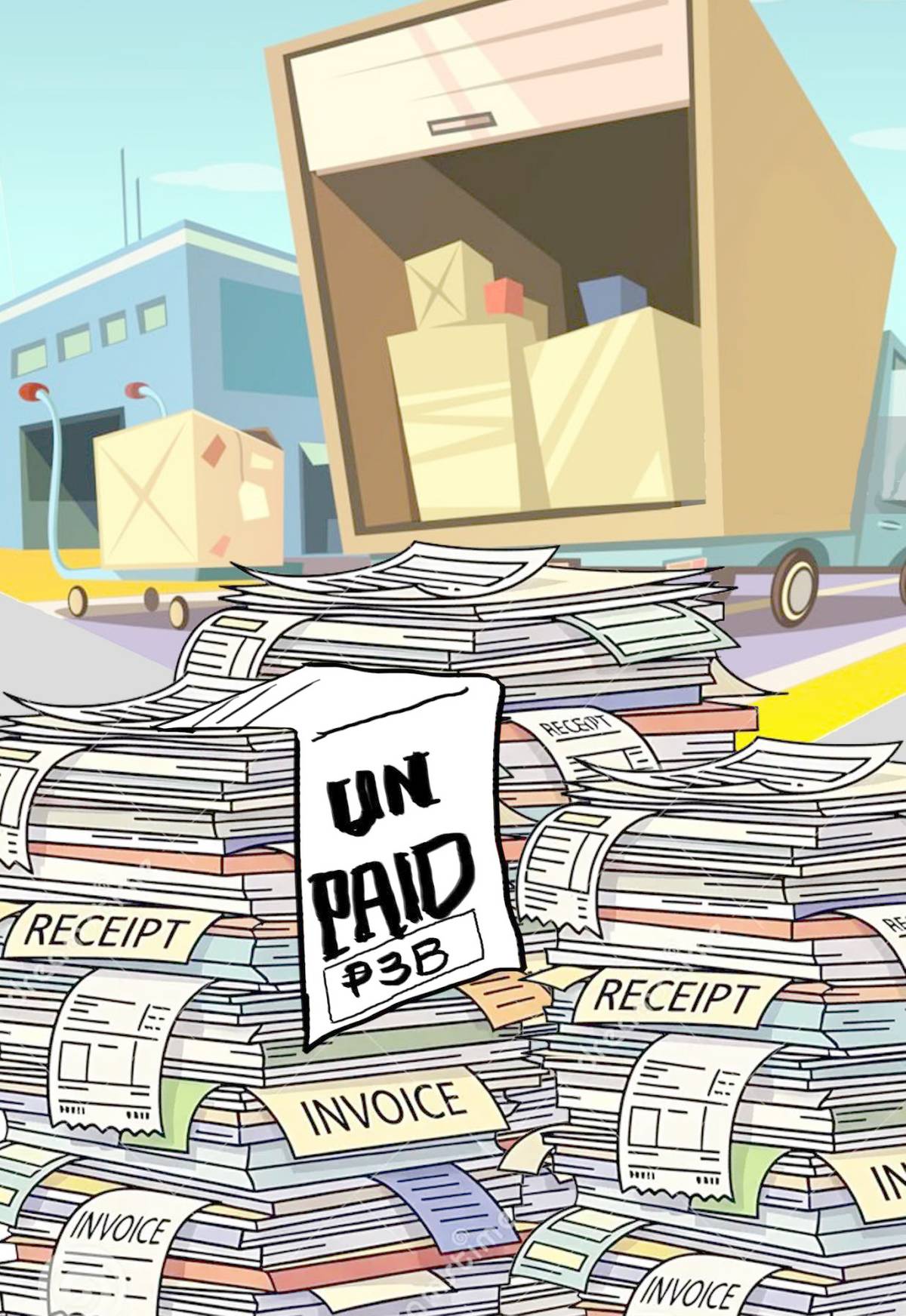
Yet, to this day, the operator continues to enjoy full use of both the contracted and non-contracted areas without any apparent disruption.
Insiders say MIAA has continued to issue Statements of Account reflecting the massive arrears, including accumulated penalties and interest, but collection appears to have gone nowhere.
The cargo firm, which plays a major role in handling shipments for various airlines, has apparently been allowed to operate as usual — a classic case of “business as usual” at the airport despite the red flags.
Why the kid-glove treatment? Some observers point to the operator’s deep corporate connections and the practical reality that suddenly pulling the plug on a major cargo handler could snarl airport operations.
Others wonder whether the long-standing relationship and possible ongoing negotiations have allowed the huge obligation to linger for years.
This development comes as the Commission on Audit has repeatedly flagged MIAA’s accounts receivable woes, including long-outstanding balances from various lessees and concessionaires.
Questions about holdover tenancies, expired contracts and aggressive collection efforts have surfaced in past audit reports.
In 2017, a flag carrier faced a major standoff with the government over roughly P7 billion in unpaid air navigational charges and other airport fees owed to the Civil Aviation Authority of the Philippines (CAAP) and MIAA. The arrears had accumulated over several years amid disputes involving complex legal and billing issues.
Then-President Rodrigo Duterte stepped in decisively, publicly warning the tycoon owner to settle the obligations within 10 days or face closure. The strong presidential intervention quickly changed the dynamics.
Within days, the company agreed to pay the full amount. By early November 2017, the airline handed over checks totaling around P6 billion — P5.68 billion to CAAP and P258.6 million to MIAA — clearing its long-standing dues and committing to stay current on future payments.
The episode highlighted how direct executive pressure could resolve protracted receivables that had lingered despite earlier negotiations.
When will MIAA finally crack the whip and demand a serious settlement? Will this billion-peso headache remain buried under layers of corporate clout and operational “necessity”?