
Splendor through the grime of time: 10 Philippine structures for 100 years of Art Deco
Art Deco’s appeal was widespread because it embodied both glamour and efficiency, combining bold geometric forms with affordable materials such as reinforced concrete, steel and glass.

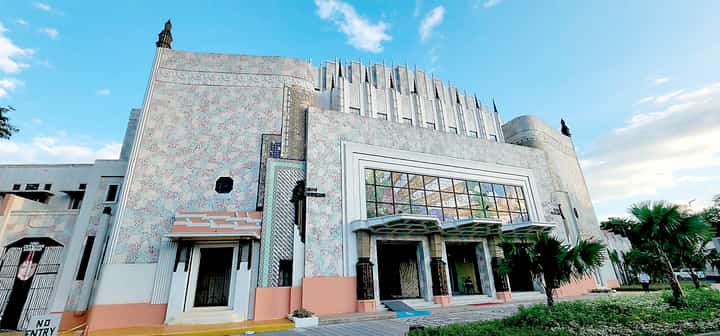
MANILA METROPOLITAN THEATER, Ermita, Manila. The Manila Metropolitan Theater is one of the Philippines’ most significant architectural landmarks. Conceived by architect Juan Arellano (1888–1960), the building embodies the decorative boldness of Art Deco with its clean lines, geometric forms, and richly stylized details. Its façade glimmers with pastel tones, stained-glass windows, and intricate iron grills featuring birds-of-paradise, crowned with pinnacles that evoke upward movement. Drawing inspiration from natural motifs, the Met blends organic elements with modernist ornamentation, creating a structure that is both imaginative and monumental and bridging Western design influences with Filipino creativity and craftsmanship. Declared a National Cultural Treasure and National Historical Landmark, the Met showcases the artistry that shaped Manila’s golden age of design. It celebrates its 95th anniversary on 10 December 2026.
Photographs by Roel Hoang Manipon for DAILY TRIBUNE
Art Deco, a global movement of design and style, first gained prominence at the International Exhibition of Modern Decorative and Industrial Arts in Paris, France, in 1925. Originally known as arts décoratifs modernes, it was only in the 1960s that the term Art Deco came into popular use. Characterized by its sleek geometric lines, stylized ornament, and fascination with modernity, Art Deco became one of the most influential visual languages of the twentieth century. It drew inspiration from ancient civilizations such as Egypt and the Aztecs while embracing the streamlined forms of trains, ships, and automobiles, producing a style that was at once timeless and futuristic.
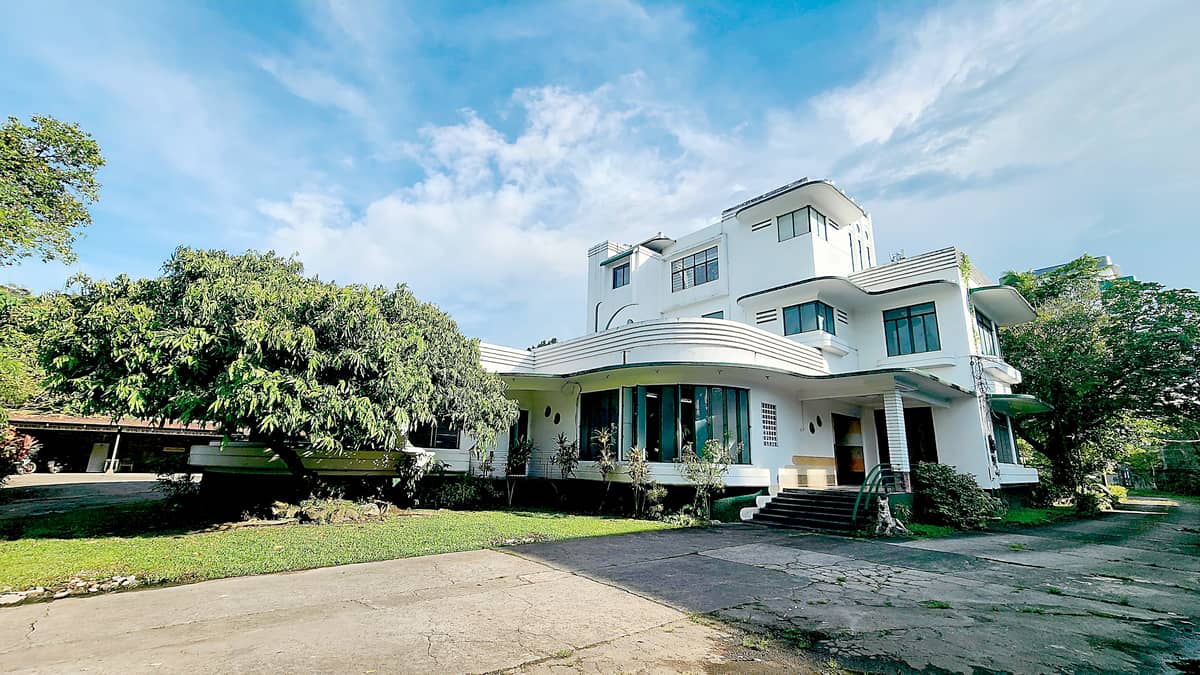
GENEROSO M. VILLANUEVA HOUSE, Bacolod City, Negros Occidental. Popularly known as Daku Balay and Boat House, the three-storey residence, finished in 1936, was designed by owner Generoso M. Villanueva with engineer Salvador Cinco, featuring poured concrete with steel reinforcement, curved balconies, parapets, steel-cased porthole windows, terrazzo flooring, and stylized reliefs depicting local fauna, countryside scenes, and local folklore. Considered to be first Art Deco stucture in the city, and in the style of Streamline Moderne, a late phase of the Art Deco, it was declared an Important Cultural Property in 2017.
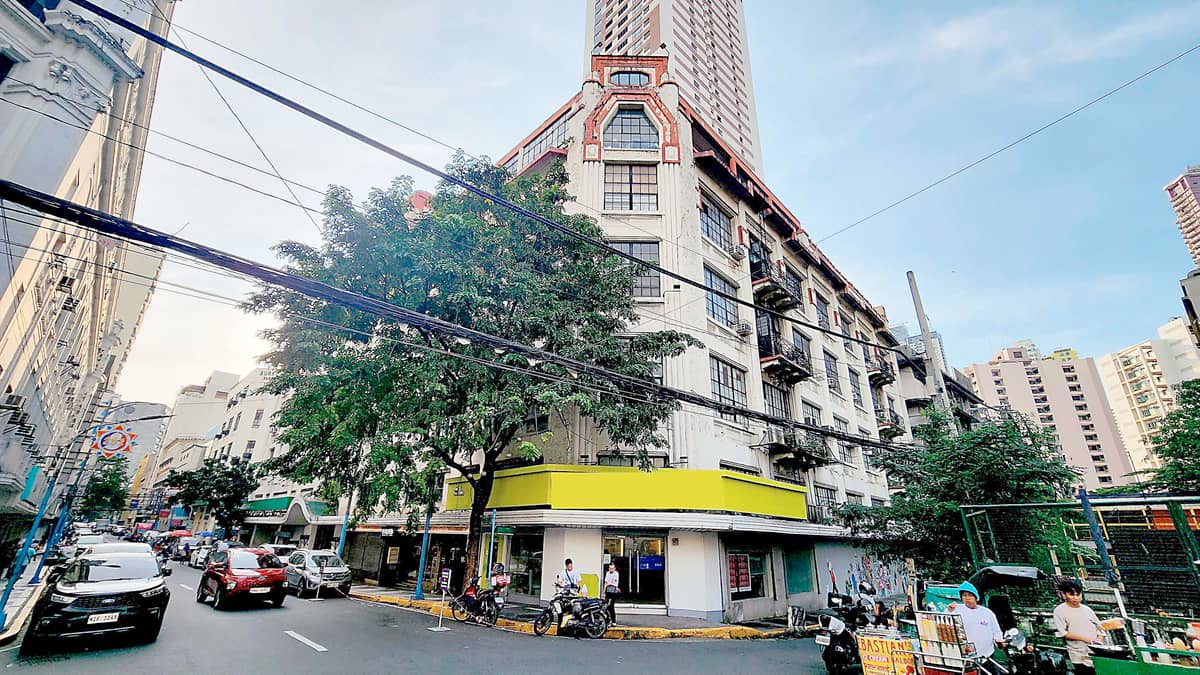
FIRST UNITED BUILDING, Binondo, Manila. Originally known as the Perez-Samanillo Building, it is one of the Philippines’ oldest surviving Art Deco structures. Completed in 1928 and designed by the firm of Andrés Luna de San Pedro and Juan Nakpil, it was once the tallest and considered the most beautiful office building, built during Escolta Street’s height as the country’s A center. It features a façade with canted arches, stylized low-reliefs, decorative grills and stairways. It was acquired by the First United Building Corporation in 1968. Declared an Important Cultural Property in 2013, it was reborn to house a creative community.
From Paris, the style spread rapidly across Europe and the Americas, and eventually to Asia, arriving in the Philippines during the late American colonial period. Filipino architects who had studied in Europe and the United States — among them Juan Arellano, Andres Luna de San Pedro, Juan Nakpil, Tomas Mapua, Pablo Antonio and Fernando Ocampo — returned home during the 1920s and 1930s and brought with them this new architectural sensibility. They sought to move beyond the neoclassical styles that had dominated public and institutional buildings and embraced Art Deco as a symbol of modernity and progress. Their designs married international currents with local motifs and materials, creating a Filipino interpretation of the style.
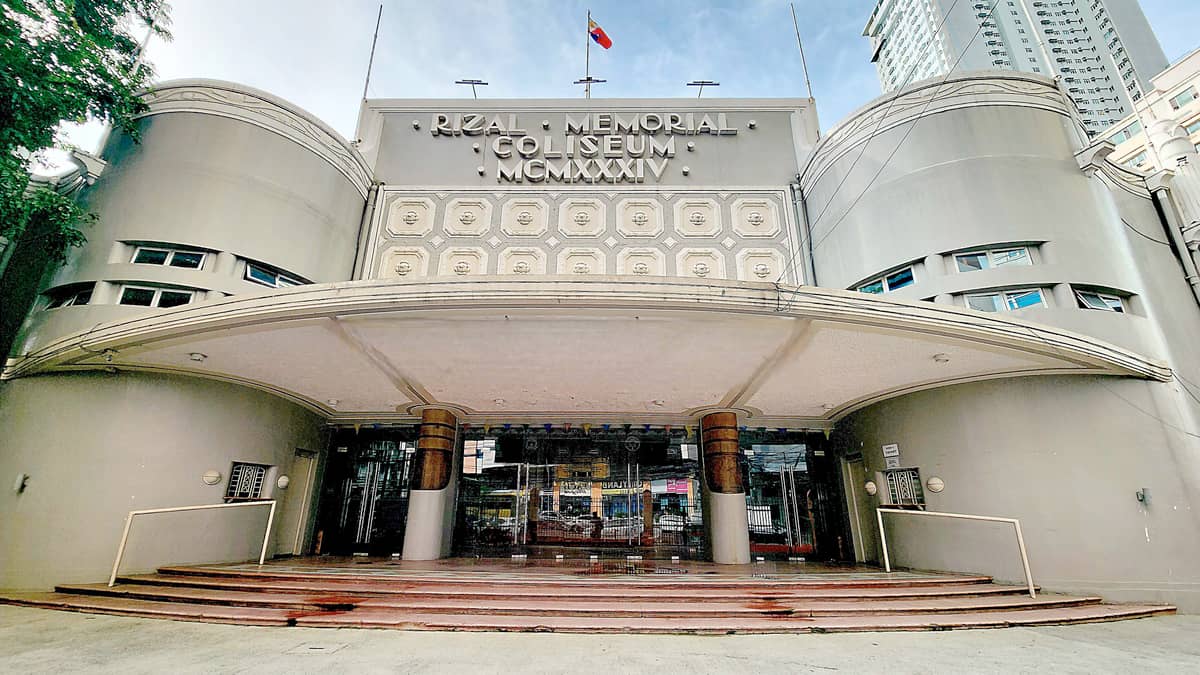
RIZAL MEMORIAL COLISEUM, Malate, Manila. It is the centerpiece facility of the Rizal Memorial Sports Complex, which was completed in 1934. Initially serving as a tennis stadium, it was designed by architect Juan Arellano in the Streamline Moderne, an international style of Art Deco, with its curving forms, porthole windows, geometric grills, etc. The complex was destroyed in the Battle of Manila during World War II and reconstructed in 1953 for the 1954 Asian Games. The complex was declared a National Historical Landmark by the National Historical Commission of the Philippines and an Important Cultural Property by the National Museum of the Philippines in 2017.
In the Philippines, Art Deco found a fertile ground during the Commonwealth era. It was used in a wide range of structures — government buildings, schools, hotels, apartment houses, mansions, cinemas and sports complexes. Its appeal was widespread because it embodied both glamour and efficiency, combining bold geometric forms with affordable materials such as reinforced concrete, steel, and glass.
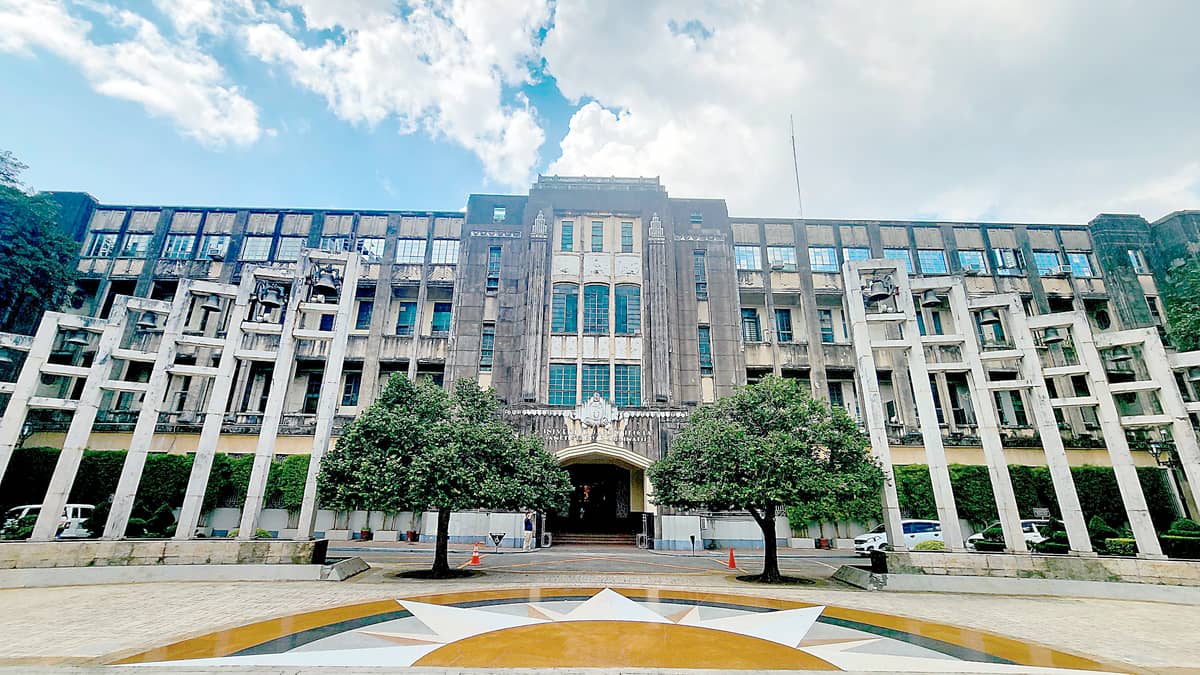
UNIVERSITY OF SANTO TOMAS CENTRAL SEMINARY BUILDING, Sampaloc, Manila. The building, which currently houses the Santísimo Rosario Parish Church, the Central Seminary, and the Faculties of Ecclesiastical Studies, was designed by architect Fernando H. Ocampo and was completed in 1933. The Art Deco style is evident in the façade’s geometric details, ziggurat-topped pilasters, stepped pylon at the main entrance, ironwork of the bannisters of the interior staircases, and stylized reliefs. It was declared a National Cultural Treasure in 2010, together with the university’s Main Building, the Arch of the Centuries, and open spaces.
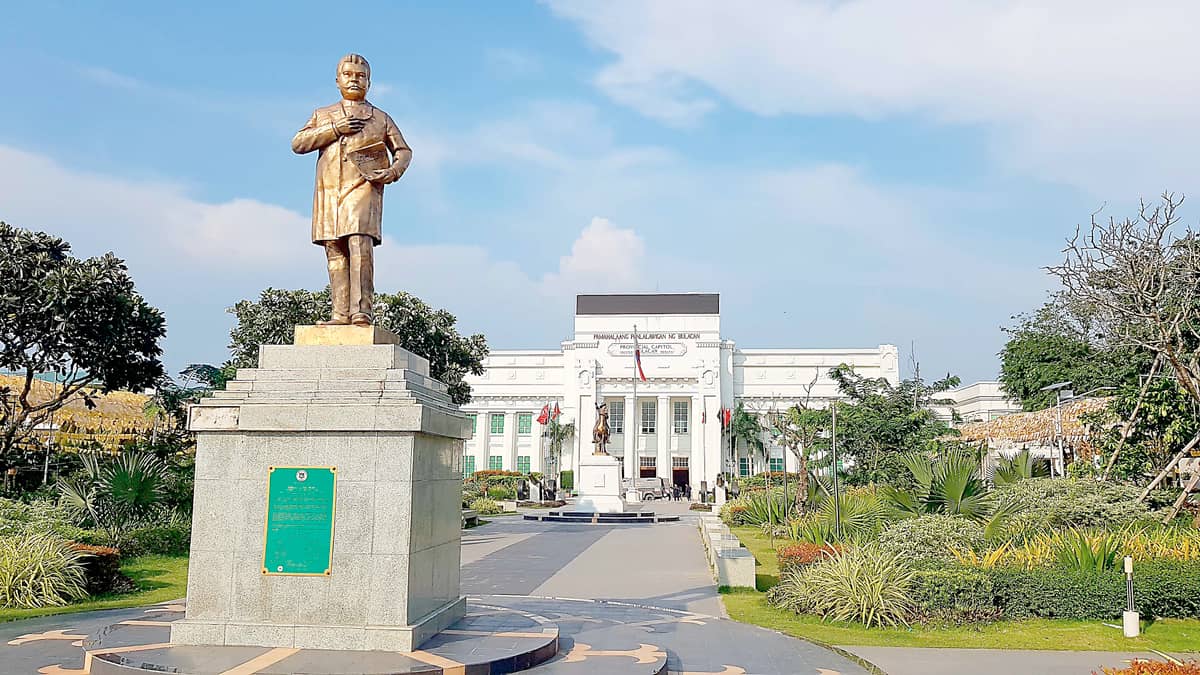
BULACAN PROVINCIAL CAPITOL BUILDING, Malolos, Bulacan. Designed by Juan Arellano and completed in 1930, it displays a stylistic transition from Neoclassicism to Art Deco. Its architecture retains the classical symmetry but simplifies ornamentation into geometric and cubist forms. It is accentuated by octagonal columns with plain capitals, tray panels on the frieze, wrought iron grills with rising sun design, and reliefs. The building was destroyed during the Second World War and was rebuilt in 1950, remaining an example of Arellano’s fusion of classical balance and emerging modernist sensibility.
Art Deco structures were concentrated in the capital Manila, but also spread to several provinces. Art Deco residences and municipal halls arose in Cavite, Laguna, Bulacan, Quezon, Batangas, Pampanga, Nueva Ecija, Iloilo, Capiz, Negros Occidental, Cebu, and Davao. The movement coincided with the rise of cinema as a popular pastime, and theaters became some of the most prominent showcases of Art Deco style in Philippine cities and towns. By the 1930s, the style had become firmly embedded in the urban and provincial landscape, presenting a face of modernity that ordinary Filipinos could easily encounter in their daily lives.
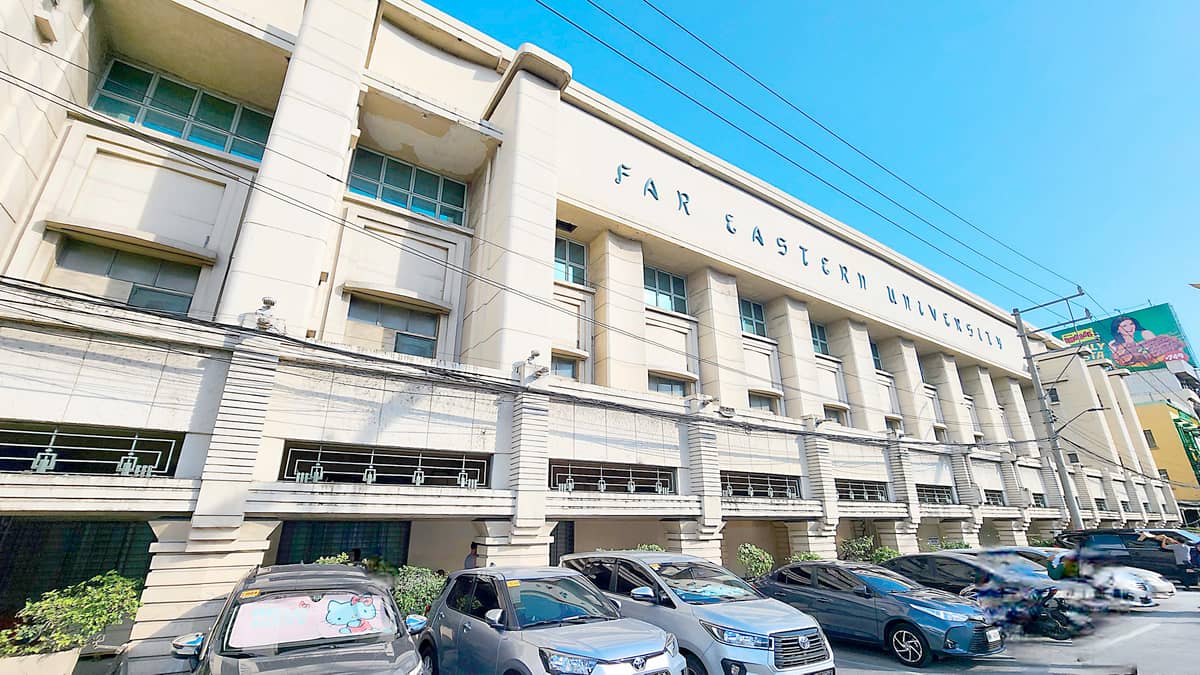
FAR EASTERN UNIVERSITY BUILDINGS, Sampaloc, Manila. Founded in 1933 and granted university status in 1934, FEU’s buildings were built between 1938 and 1950 under architect Pablo S. Antonio Sr., who later became a National Artist. Using concrete and steel suited to the tropics, Antonio created structures that bridged Art Deco and the emerging International Style, marked by geometric forms, wide openings, and sleek canopies. The campus also features significant artworks, including sculptures and murals by Filipino artists, such as Francesco Ricardo Monti and Antonio Dumlao. Six buildings—Nicanor Reyes Sr. Hall, Administration Building, Admissions Building, Architecture and Fine Arts Building, Science Building, and the FEU Chapel—were declared National Cultural Treasures.
The outbreak of the Second World War and the devastation it brought curtailed the development of Art Deco. Many of the finest examples were damaged or destroyed, while later decades saw others demolished or neglected in the name of urban growth. Yet enough structures remain to give us a vivid picture of the era and its aspirations. As it marks its hundredth year, Art Deco in the Philippines deserves recognition not only for its beauty but also for its role in shaping the country’s vision of modernity.
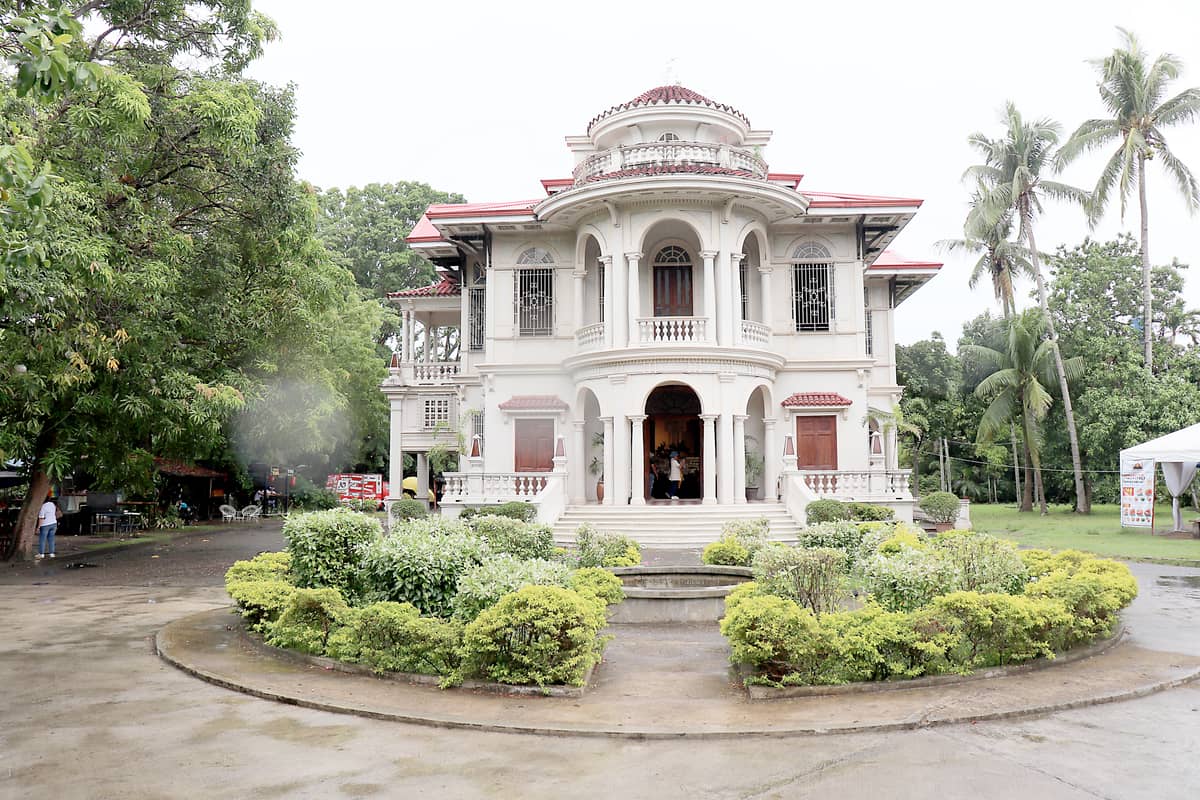
MOLO MANSION, Molo, Iloilo City, Iloilo. Also known as the Lacson-Yusay Mansion, it was built in 1926, combining Neoclassical symmetry with Art Deco elegance. Its design features a semi-circular portico, arcaded veranda, molded stringcourse with scroll-shaped corbels, and a terracotta-tiled, hip-and-valley roof adorned with floral vents and a mirador tower. Located across Molo Plaza and Molo Church, the mansion — now owned by the SM Group — has been restored as a cultural and commercial landmark.
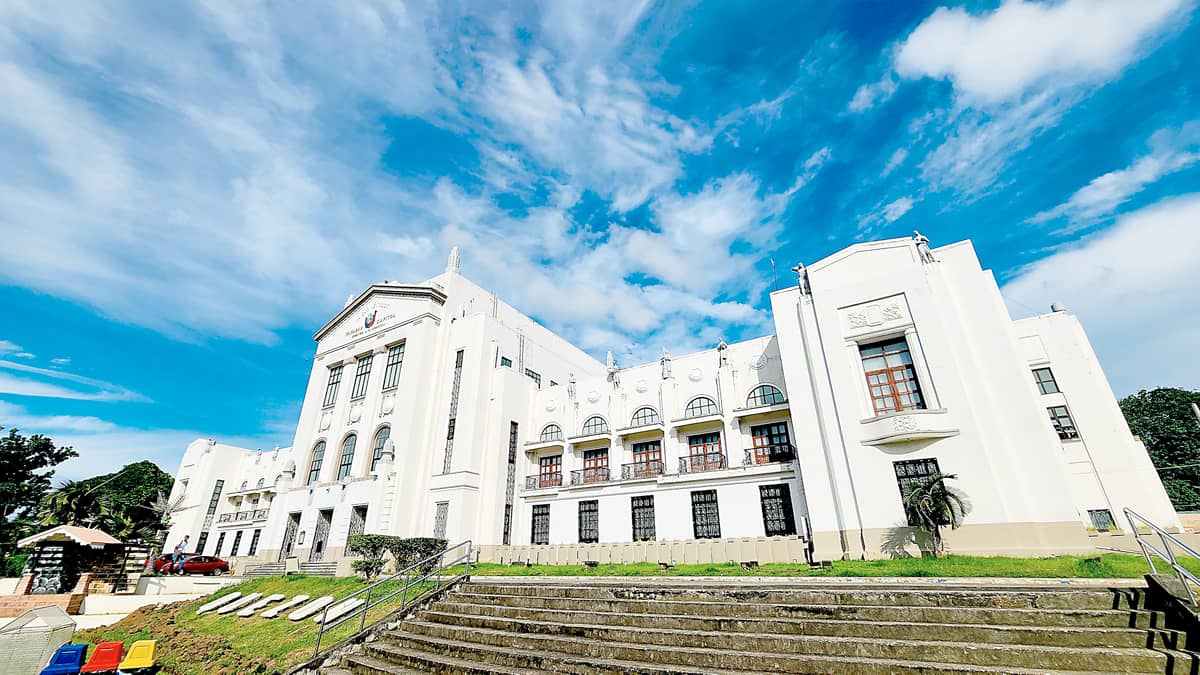
QUEZON PROVINCIAL CAPITOL BUILDING, Lucena City, Quezon. Originally known as the Tayabas Provincial Capitol, when the province was called Tayabas, it remains a defining landmark of Lucena City. Built between 1908 on land donated by then-governor Filemon Perez, it was designed by William Parsons. The building was expanded from 1930 to 1935, designed by Juan Arellano, fusing Neoclassical symmetry with Art Deco elegance—its façade marked by clean lines, grand columns, and balanced proportions. Crowning the rooftop are twenty-four statues sculpted by Italian artist Francesco Riccardo Monti, representing the diverse livelihoods of Quezon’s people. Damaged during World War II, it was rebuilt through the Philippine Rehabilitation (Tydings) Act of 1946. It was declared a National Historical Landmark in 2010.
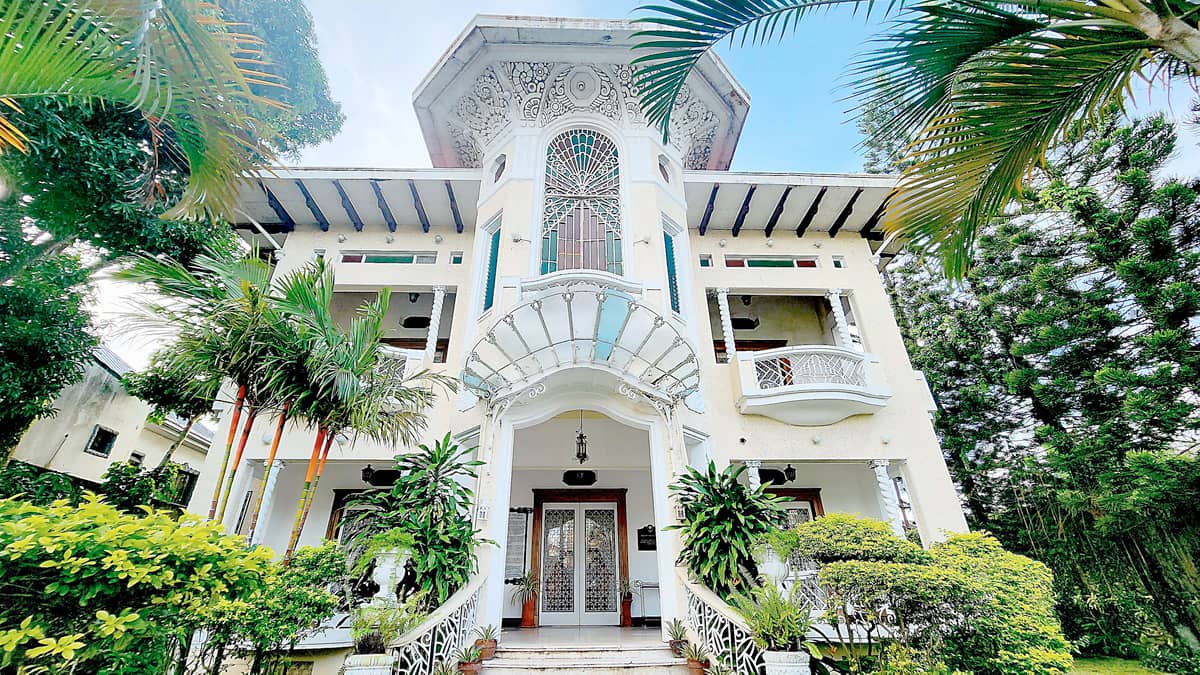
GALA-RODRIGUEZ HOUSE, Sariaya, Quezon. Completed and inaugurated on 4 May 1935, the house was built by Dr. Isidro Rodriguez as a ‘dream home’ for his wife, Doña Gregoria Gala. Designed by National Artist Juan Nakpil, it features a mirador with decorative reliefs and stained-glass windows, and a fan-shaped glass canopy at the front entrance, said to be inspired by the Paris Métro entrances. Having survived World War II bombings and fires, it has become a tourist attraction and was designated as a heritage house in 2008 by the then National Historical Institute.