The heat in the Philippines can become relentless, enough to make anyone wonder how Filipinos in the past managed to stay cool while still looking refined. Beyond being a well-loved southern retreat, Villa Escudero Plantations and Resort holds a fascinating collection of historical fashion pieces gathered and preserved by the Escudero family through the years.
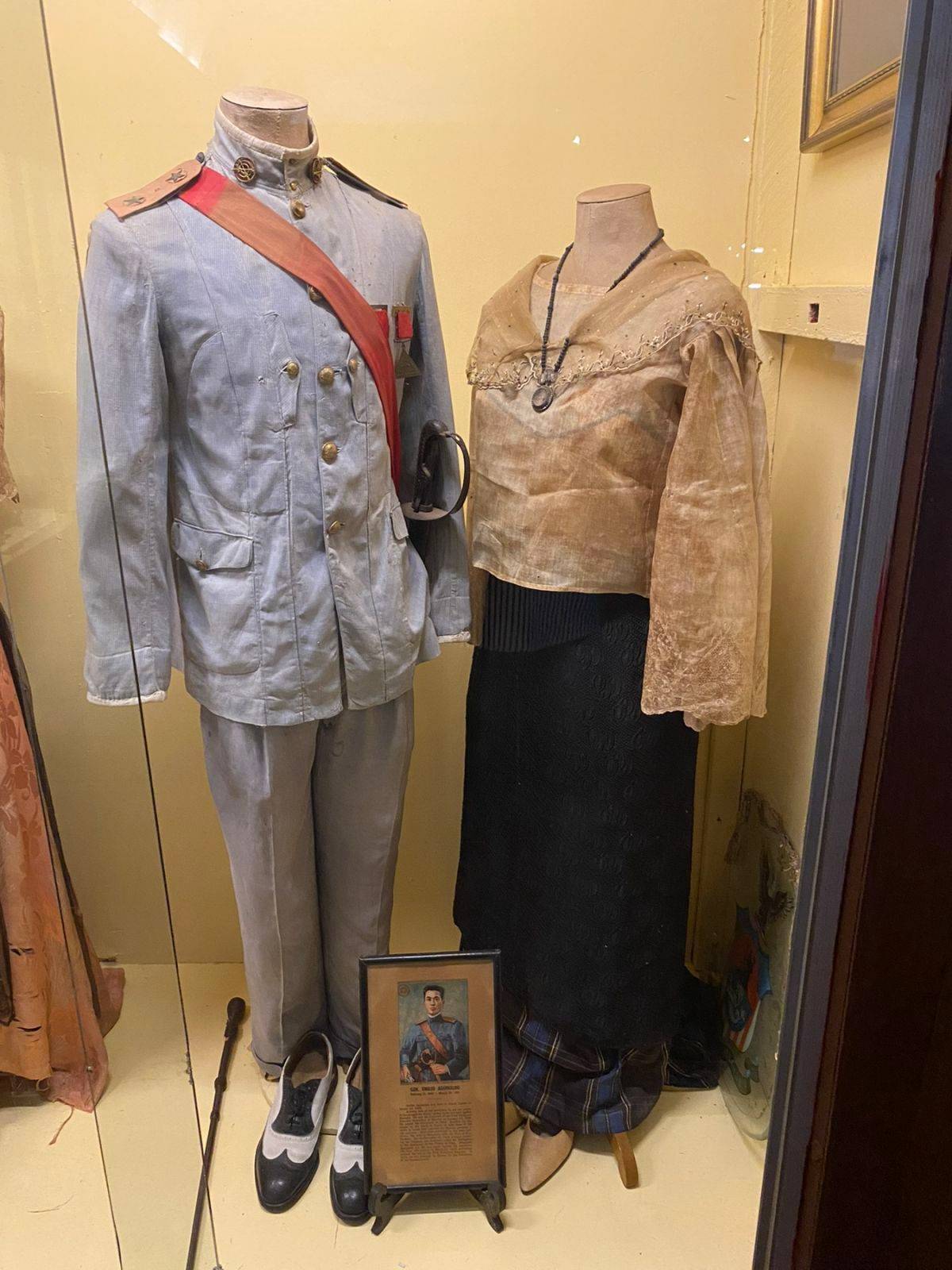
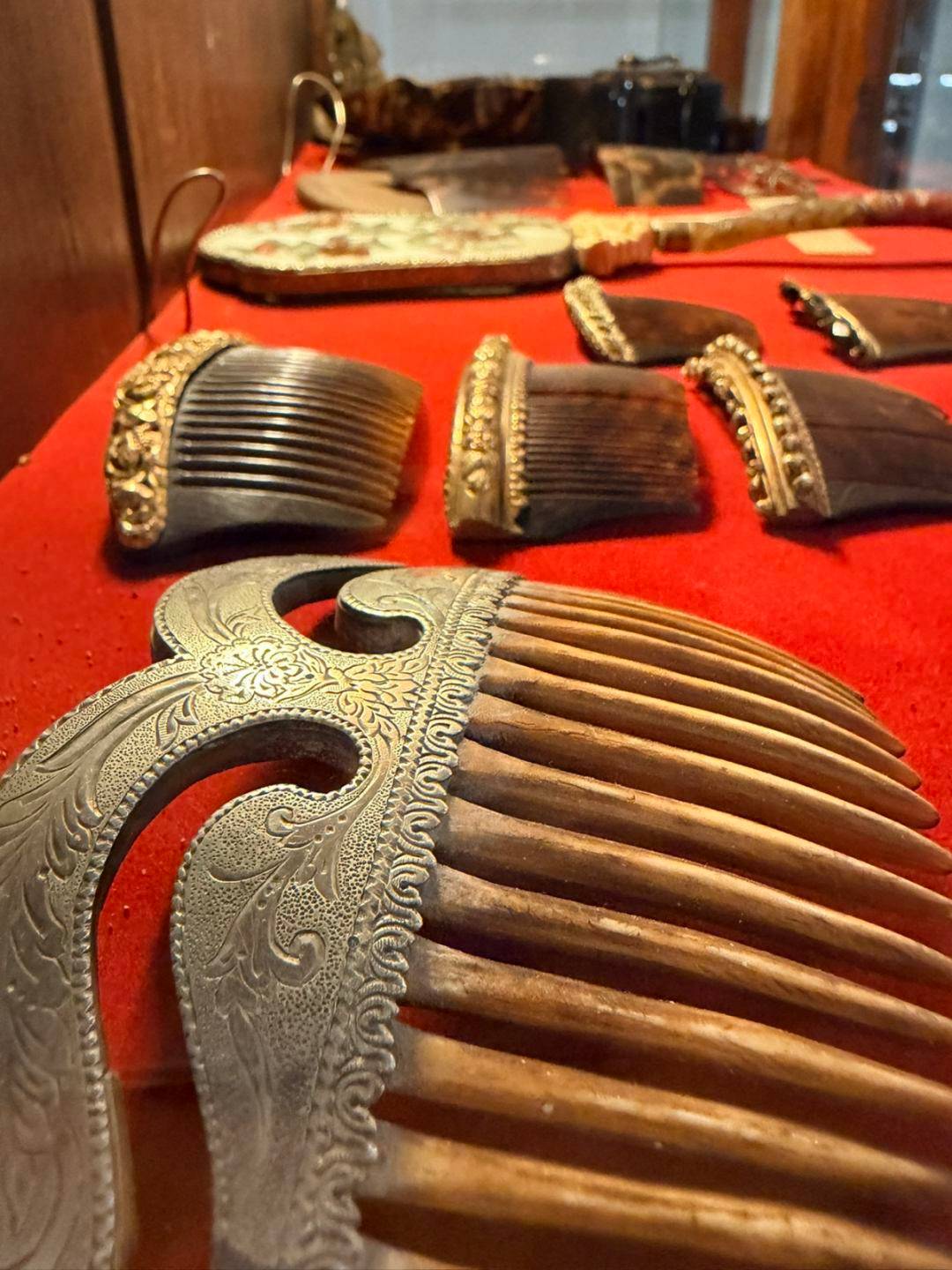
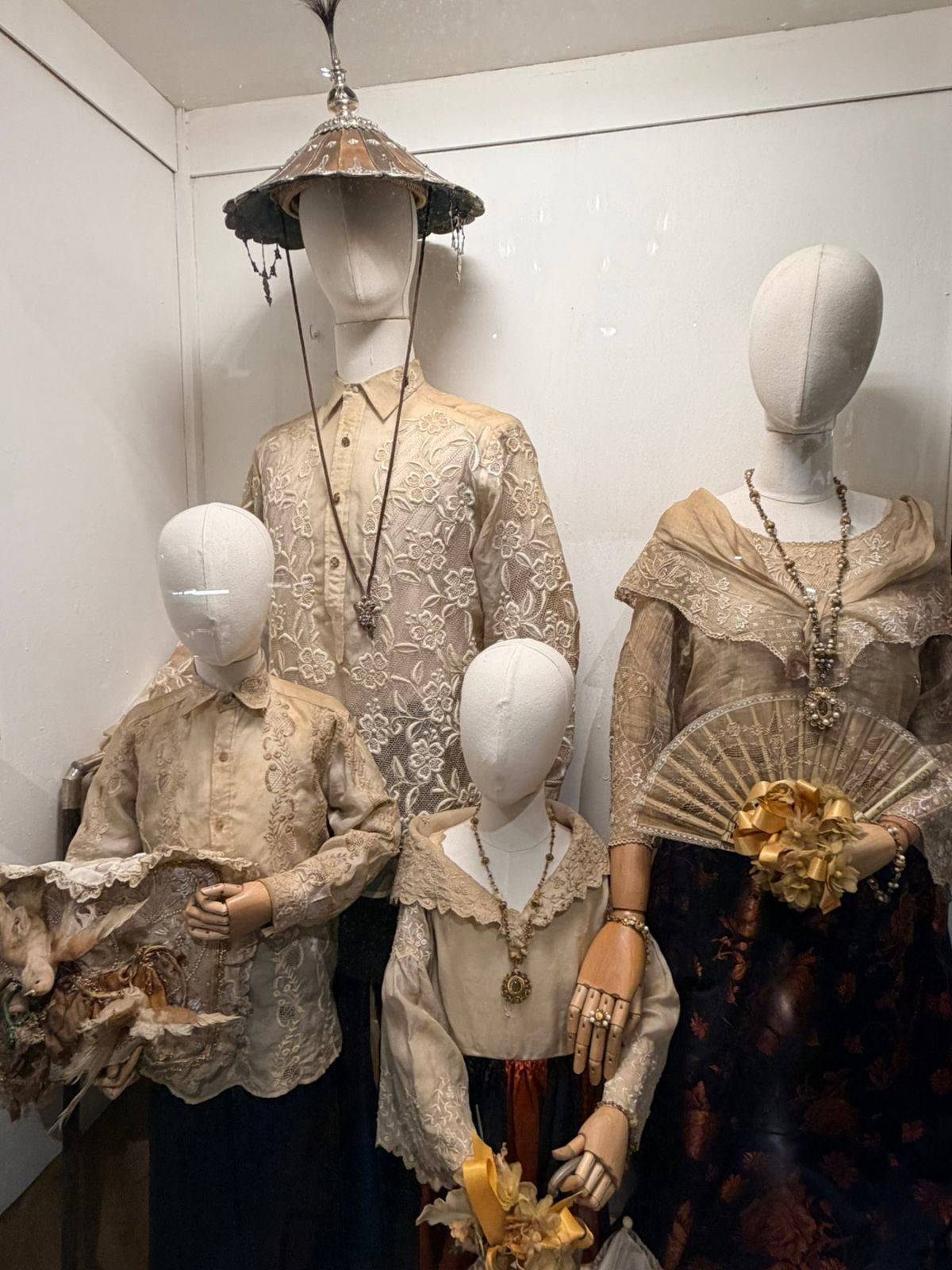
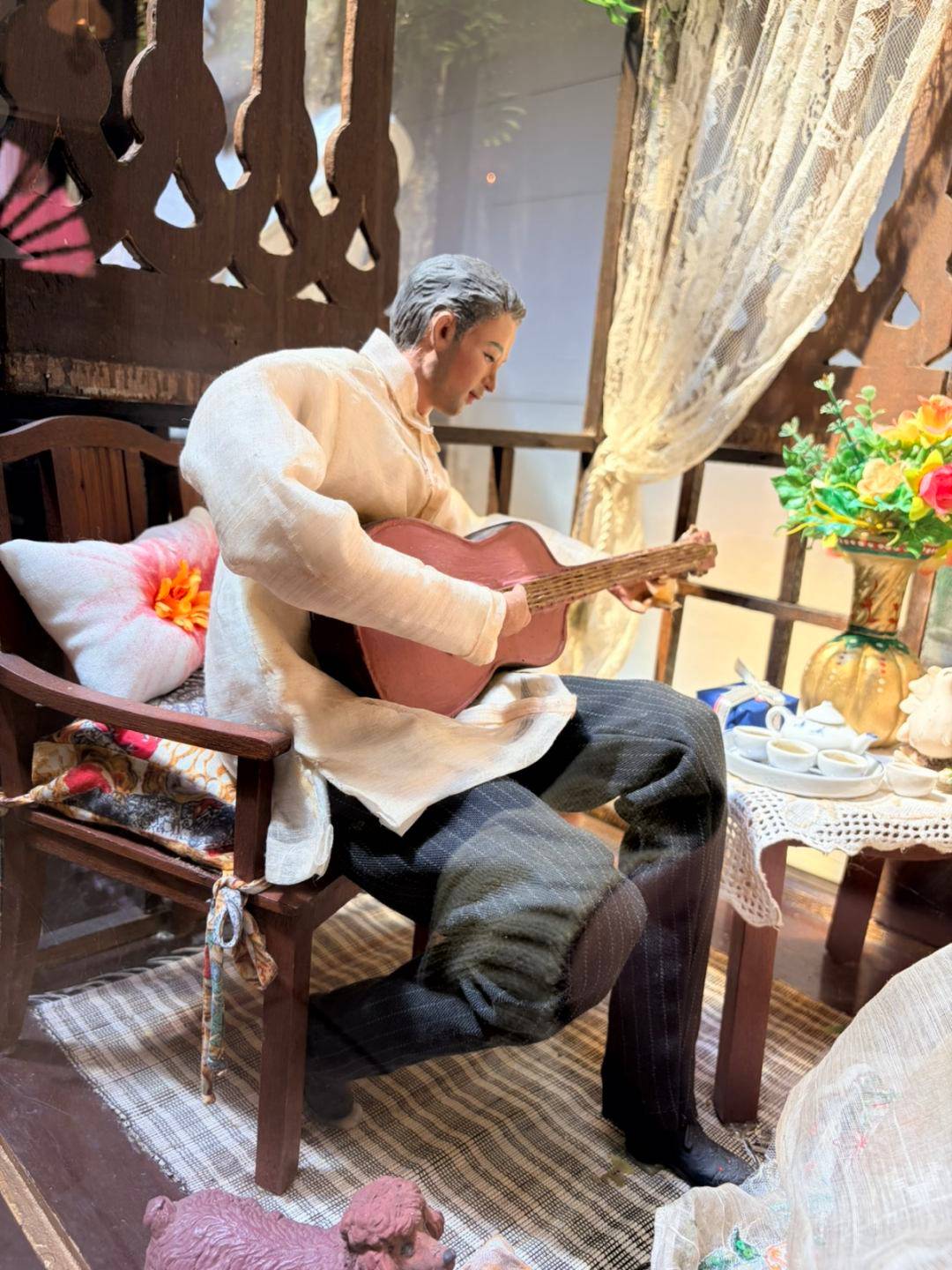
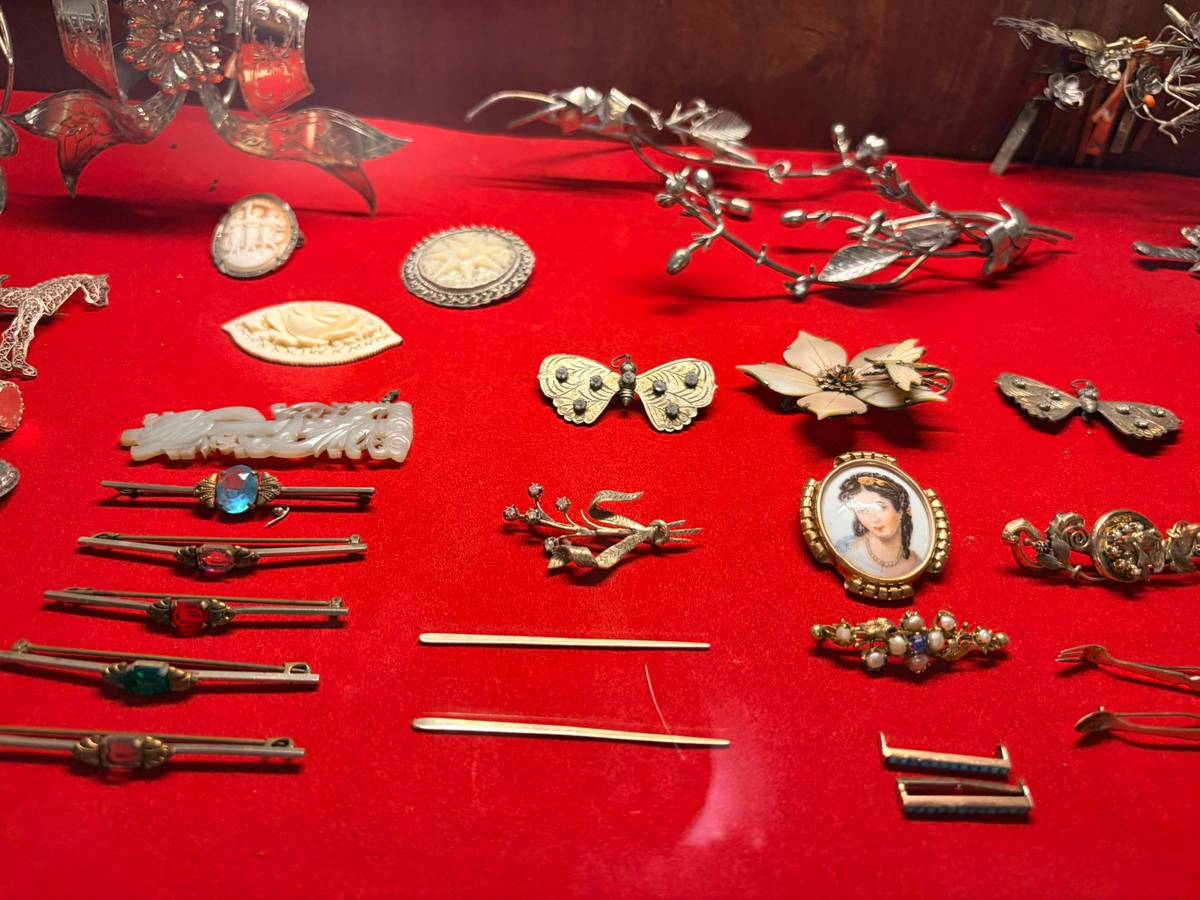
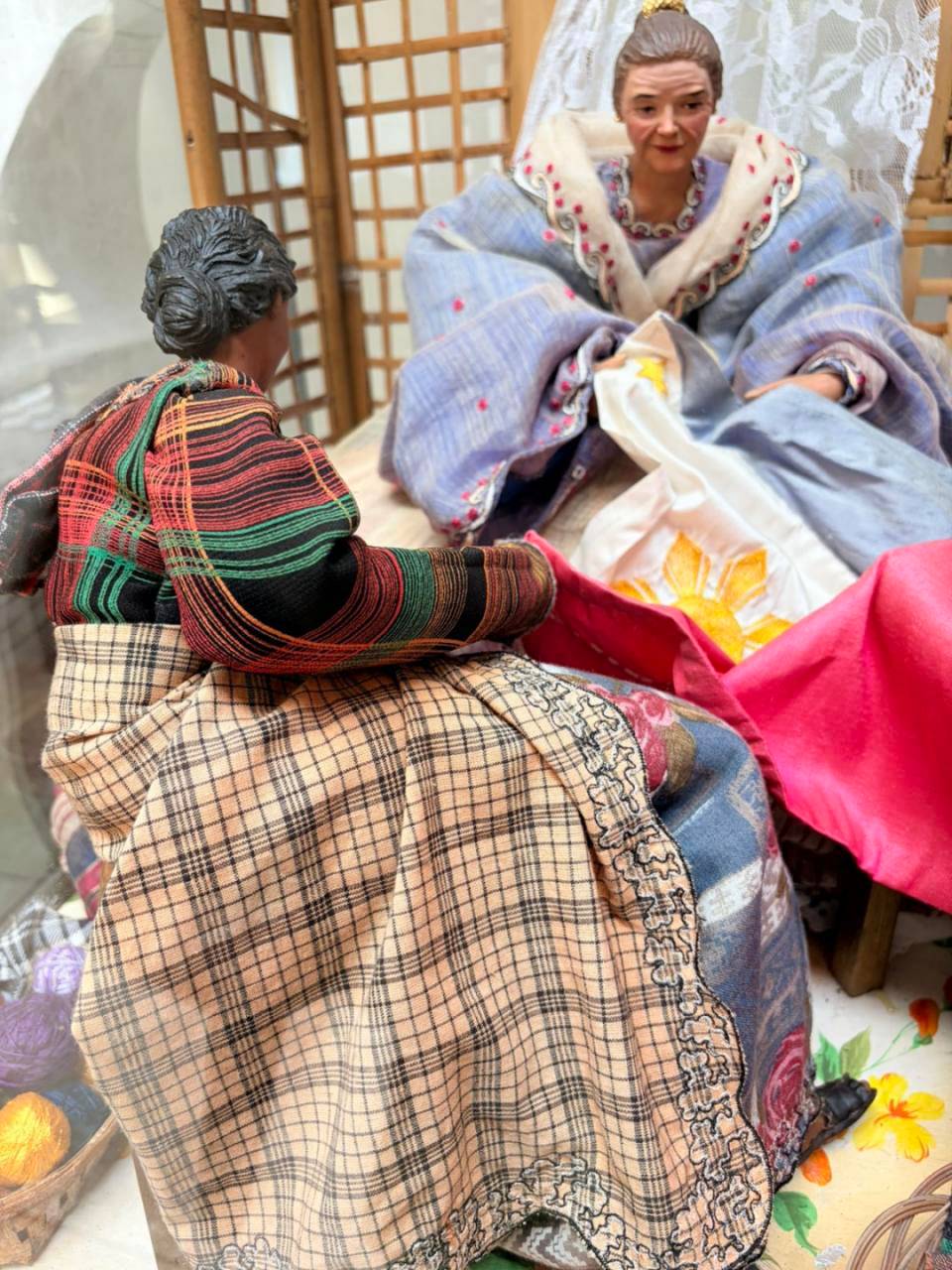
Inside the family museum, art and heritage come together in a thoughtful display that traces the evolution of both Philippine and global fashion. Visitors are given a closer look at garments once worn by past Philippine presidents, alongside the family’s private collection of local and international accessories. A notable section features Patis Tesoro’s Nenita dolls, which depict key moments in Philippine history, including the creation of the national flag.
A timeless craft
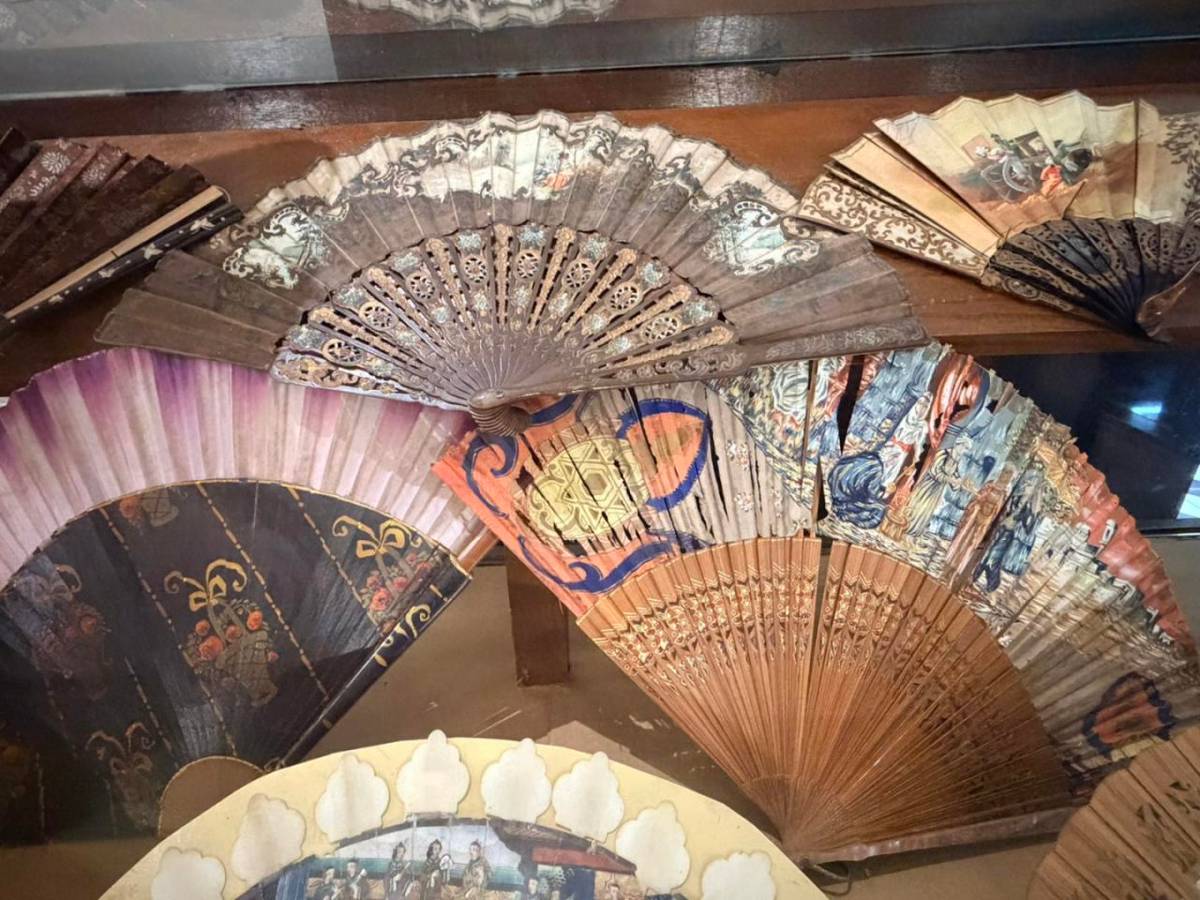
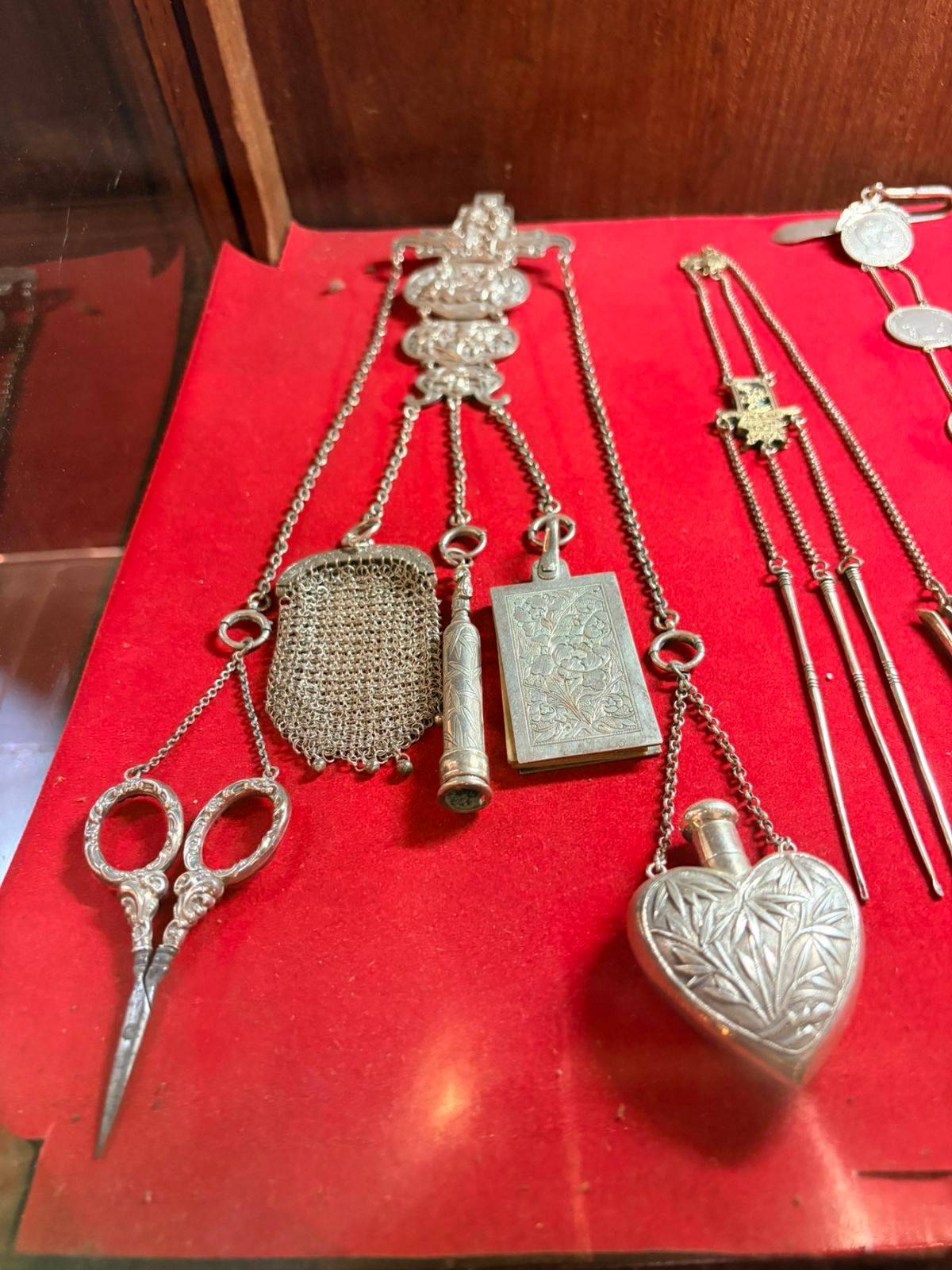
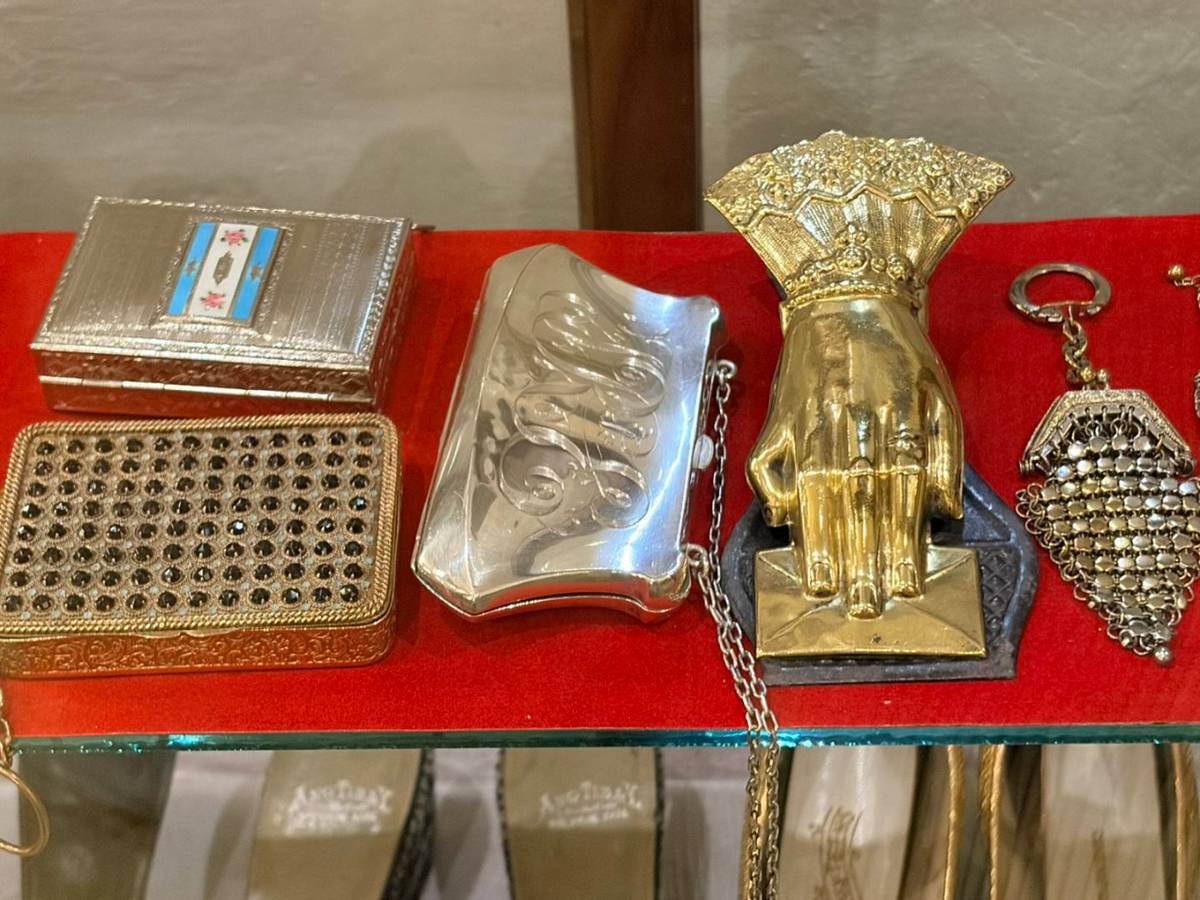
For Filipinas of the 18th and 19th centuries, the baro’t saya and the terno, often crafted from delicate pineapple fibers, were staple pieces. These were typically paired with a pañuelo draped over the shoulders, along with a parasol or fan for both function and style. Long before modern handbags became essentials, women relied on the chatelaine during the Victorian era. This waist accessory carried small necessities such as lipstick, a coin purse, or a needle case for quick repairs.
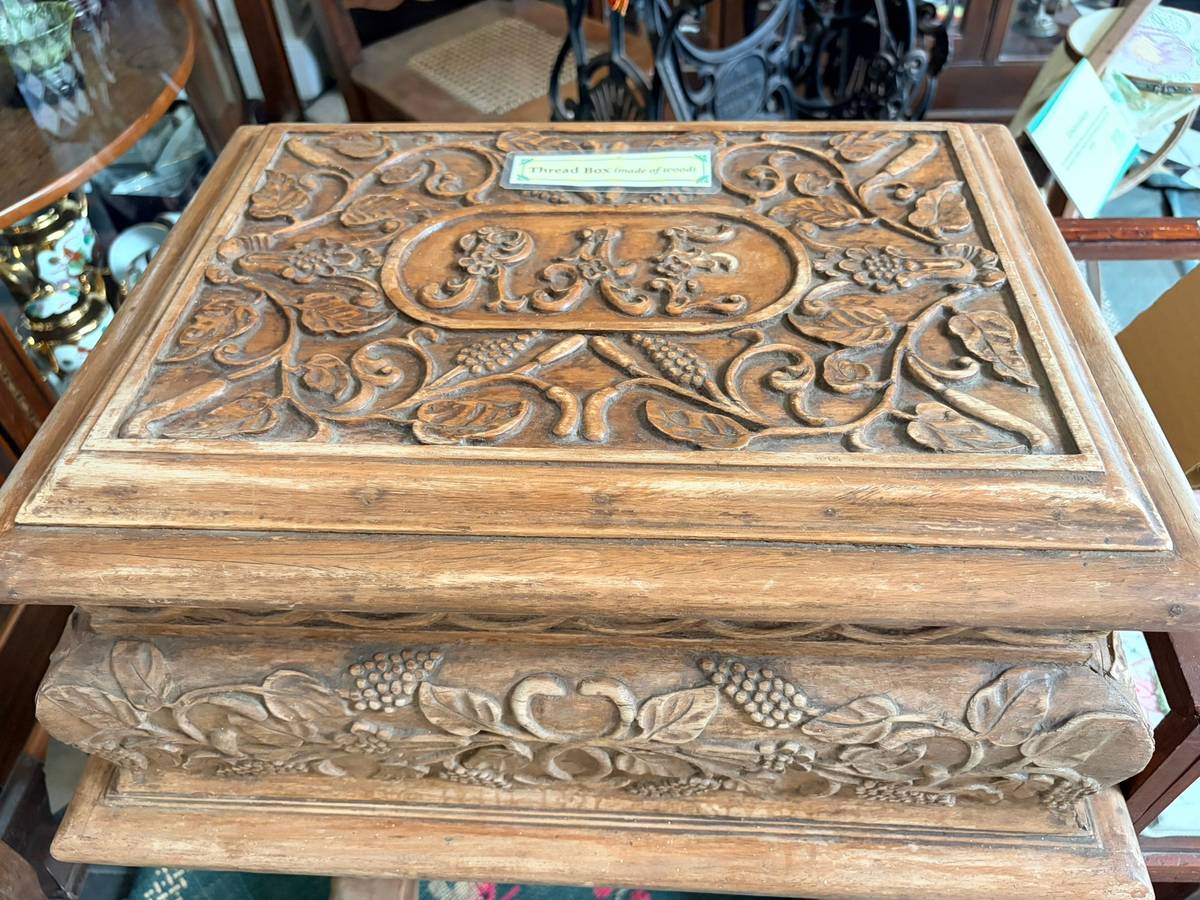
The museum also highlights intricate needlework through embroidered and crochet pieces, complemented by wooden thread boxes that speak to the craftsmanship of the time. Jewelry and embellished bags add another layer to the collection’s richness.
For men, accessories leaned toward form and function, with canes in various designs, including those shaped like animals such as a king cobra, alongside classic pocket watches.
Among the most compelling displays are the garments of former Philippine presidents, including Emilio Aguinaldo and Ramon Magsaysay, presented with photographs of them wearing the pieces, offering a vivid glimpse into the style of their time.
Fashion here reveals itself not just as clothing, but as a living archive of identity, craftsmanship and memory. Each thread, silhouette and accessory carries the imprint of a time, a place, and the people who shaped it. Preserving these pieces allows future generations to see, feel, and understand the artistry that once defined everyday life, where style becomes more than trend and instead a heritage that continues to inspire, evolve and endure.