
Corruption in Phl concerns Swedish firms — Survey
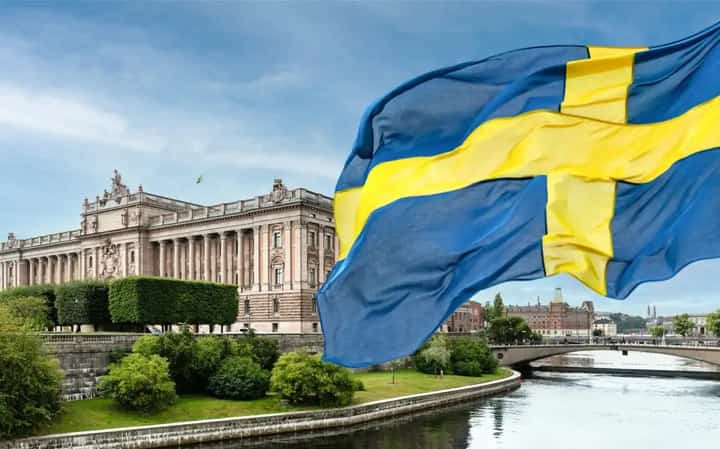
Enduring corruption in the country, particularly in the government-led infrastructure projects, remains concerning for Swedish firms operating in the country, based on the latest Business Climate Survey (BCS) conducted by Business Sweden and the Embassy of Sweden in Manila.
However, Swedish business owners maintain trust in the Philippine market, with some of them even planning to increase investment in the next 12 months.
Swedish companies, according to the survey, primarily worry about interactions with government agencies.
While most firms report limited direct exposure to bribery or fraud, the 2025 corruption scandal involving public infrastructure projects negatively affected investor confidence and business sentiment, the survey result found.
Companies identified digitalization, infrastructure improvement and ease of doing business reforms as critical priorities for enhancing competitiveness and the business climate.
Cautiously optimistic
Hence, the BCS result found that Swedish companies operating in the Philippines are cautiously optimistic about the country’s business environment, but the country continues to present a fundamentally attractive growth market for Swedish companies, underpinned by long-term macroeconomic fundamentals, including a high growth trajectory and a large and young consumer base.
“Our companies have a major role in enhancing the bilateral relations between Sweden and the Philippines. They are key partners in job creation and building a secure, resilient, and prosperous economy,” said Anna Ferry, the Ambassador of Sweden to the Philippines.
BCS is a globally trusted tool to gather Swedish firms’ views of opportunities and challenges of the local business environment in 41 countries around the world.
This year’s edition for the Philippines drew responses from 38 Swedish firms.
Other findings
Swedish companies have a strong and established presence in the Philippines, with most firms operating in the country for decades, alongside a growing number of new entrants over the last five years.
The business footprint of almost 70 companies is also highly diversified across sectors, including retail, IT-BPO, life science, machinery, and tech for industries, mining, energy, defense, and digitalization, among others.