
What a special session is for
When Congress is in a period of adjournment, a special session temporarily halts the recess, compelling lawmakers to return to the plenary floor.

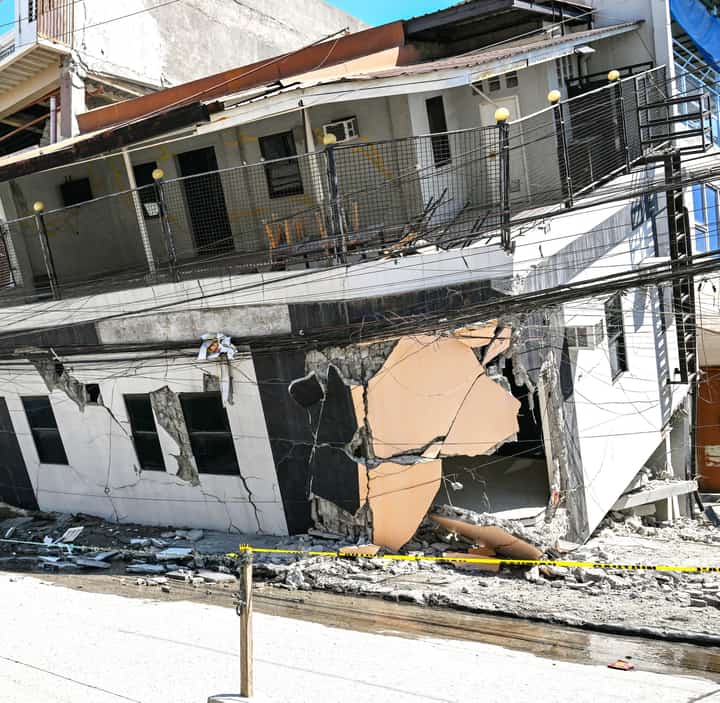
The blueprint for responsive governance in the Philippines relies on the ability of its leaders to act swiftly when crises multiply. With the country grappling with severe energy challenges and the devastating aftermath of the magnitude-7.8 earthquake in Mindanao, the executive decision to call for a special session of Congress is not just timely—it is an absolute necessity.
Under Section 15, Article VI of the Constitution, a special session allows the President to convene the House of Representatives and the Senate outside their regular legislative calendar.
When Congress is in a period of adjournment, a special session temporarily halts the recess, compelling lawmakers to return to the plenary floor. Its primary purpose is to bypass standard procedural delays and fast-track bills that have reached advanced legislative stages but remain pending.
In this specific call, the focus is squarely on critical lifelines: disaster relief funds for Mindanao, amendments to social protection programs, and vital education subsidies like the Universal Access to Quality Tertiary Education Act.
Understanding the implications of a special session requires weighing its significant pros and cons.
On the positive side, a special session forces a laser-sharp focus on the nation’s most bleeding edges. Lawmakers cannot hide behind the usual deluge of minor local bills; they must deliberate on a predetermined, urgent agenda. It provides immediate legal and financial mechanisms to dispatch aid to families in crisis, proving to the electorate that the government does not pause its duties when regular sessions close.
Conversely, the cons cannot be ignored. Convening both chambers on short notice incurs additional administrative and operational expenses funded by taxpayers. Furthermore, if political friction is high, it risks turning a crisis response into a theatrical stage for partisan bickering, potentially stalling the very relief it aims to accelerate.
Ultimately, the success of this urgent assembly rests entirely on the shoulders of our lawmakers.
The Filipino people cannot afford to watch vital social safety nets get tangled in a web of legislative gridlock or ongoing leadership disputes within the chambers.
For a special session to truly deliver on its promise, it requires an absolute, unyielding call for unity between the House of Representatives and the Senate. Our leaders must deliberately choose to set aside political maneuverings, look past party lines, and lock arms.
In times of national calamity and economic strain, a unified Congress is the greatest defense the Filipino people have.