
Policy coordination key amid stagflation fears – Remolona
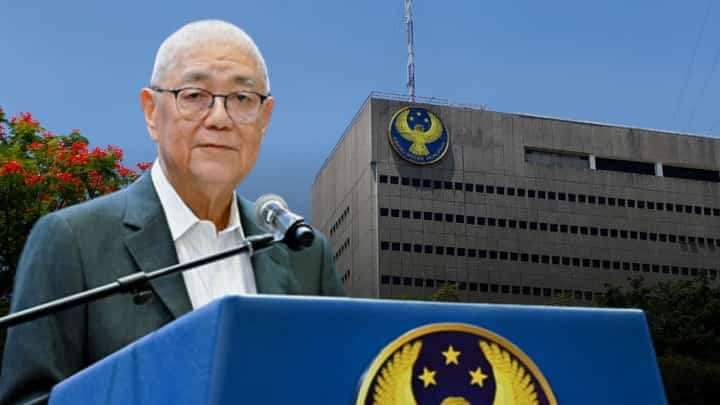
Fiscal and monetary policy must go hand in hand to combat the threat of stagflation, according to Bangko Sentral ng Pilipinas (BSP) Governor Eli M. Remolona Jr.
Speaking in a Friday television interview, Remolona acknowledged the low growth and high inflation resulting from the Middle East conflict, noting that economic growth should be the priority of fiscal policy, while monetary policy, handled by the BSP, should focus on combating rising inflation.
“Fiscal policy should focus on growth. It should stimulate growth and then monetary policy should focus on inflation. So that’s what we’re trying to do,” the BSP chief said.
Fiscal policy refers to how a government manages the economy through taxation, spending, and borrowing. When the government spends more or cuts taxes, it can stimulate the economy and create jobs, while higher taxes or spending cuts can help slow inflation or reduce debt. The Department of Finance acts as the lead agency for fiscal policy, overseeing tax policy as well as government financing and debt management.
Meanwhile, monetary policy, which is handled by the BSP, primarily addresses inflation through the setting of interest and deposit rates for banks while also influencing money supply and banking stability. The BSP and fiscal agencies coordinate closely because taxes, government spending, inflation, and interest rates all affect one another.
In a recent advisory, Aris Dacanay, senior ASEAN economist at HSBC, said the three-year-high 7.2-percent inflation rate recorded in April, combined with the third consecutive quarter of slowing gross domestic product (GDP) growth, indicates that stagflation may be beginning to take shape.
Stagflation is an economic condition characterized by the simultaneous occurrence of slow economic growth, high unemployment, and rapidly rising prices.
On Friday, Remolona acknowledged the weak growth and elevated inflation, noting that the BSP’s primary focus is addressing heightened price pressures resulting from the Middle East conflict.
Economic growth slowed further to 2.8 percent in the first quarter, which Department of Economy, Planning and Development (DEPDev) Secretary Arsenio Balisacan partly attributed to lingering effects of the flood control scandal on public infrastructure spending.
Probes into the graft controversy shaved an estimated 1.1 percentage points off 2025 GDP growth, which settled at 4.4 percent, below the government’s target for the third consecutive year.
Meanwhile, inflation surged to 7.2 percent, four times higher than the end-2025 level and the highest in three years, as the Middle East conflict’s widespread economic effects intensified. Remolona acknowledged the complications posed by the current environment, with the BSP recently noting that spillover effects from the oil shock typically take about two quarters to fully manifest, indicating that the worst may still lie ahead.
“The inflation side is a little bit tricky, as you know. We’re facing a big supply shock. Ordinarily, a supply shock, you would look through it because it will go away and then you’re back to where you are,” he said.
“But now this is a big supply shock and it’s a persistent supply shock. So we have to react and we have to react aggressively, I think, in this kind of situation,” he added.
The BSP raised rates in April in response to the price pressures resulting from the energy emergency, while also rolling out relief measures safeguarding consumers and financial institutions amid the current uncertain economic backdrop.
Meanwhile, Balisacan earlier rejected claims that stagflation is already taking shape, noting that unemployment has yet to return to the highs recorded during the pandemic period.