The conflict has stemmed from this year’s introduction of the 50-50 split between the use of battery power and traditional engine power in an attempt to create a greener sport.
Many drivers feel the sport needs more naturally aspirated power from an engine and less from the battery.
“It’s a step in the right direction,” said Audi’s Nico Hulkenberg. “I’m curious to see how it feels and works on track now.”
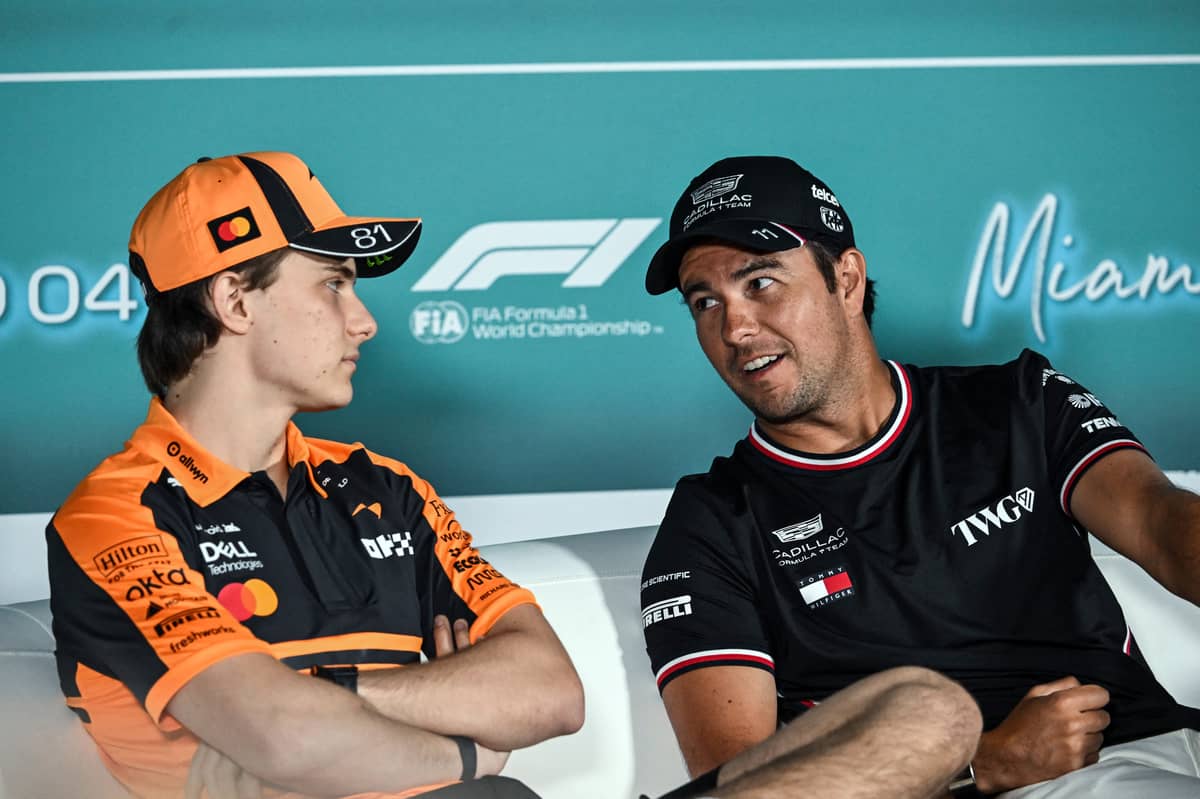
McLaren’s Oscar Piastri said the collaboration had produced good changes, but added that he felt the chief problems could not be fixed without a fundamental overhaul of the hardware of the power units.
He said it was good that the rules had been tweaked to reduce the huge imbalance in performance and speed between cars that are using maximum power and those slowing to harvest and store battery power.
A crash in Japan involving Oliver Bearman of Haas, who escaped serious injury, left many drivers worried about similar future accidents.
“After Olly’s crash, something needed to change and it is good that they listened to us,” said Piastri. “The tweaks are good, and sensible and well thought out, so it is a positive thing, but let’s wait and see how it pans out from a safety point of view.”
Many drivers and observers had criticized the formula for producing artificial racing controlled by computers and the need for management of battery power.