
Ube: The new matcha in terms of demand and health benefits
Due to their uniqueness as flavors and ‘Instagrammable’ colors, ube and matcha are both experiencing significant surges in global popularity, driven by social media.


Recently, the internet went buzzing with news of Starbucks reportedly introducing a new ube (purple yam) drink this spring.
Hot on the heels of the coffee chain’s successful ube-infused beverages last year, Starbucks is allegedly launching Iced Ube Coconut Macchiato starting 3 March. The bold new drink “blends creamy coconut milk with espresso and a vibrant ube cold foam layered on top, creating a striking purple-and-brown ombré look,” according to a description by @mouthattack on Instagram.
“Finished with a light sprinkle of toasted coconut, the drink leans into both visual appeal and dessert-inspired flavor, tapping into the growing popularity of ube in mainstream menus,” @mouthattack noted.
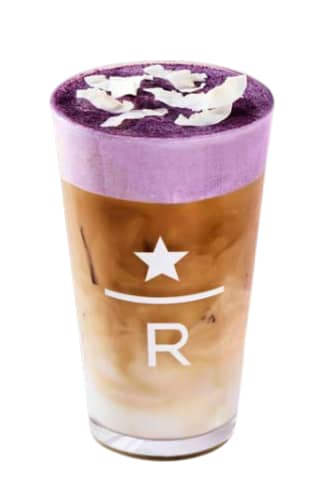
ICED Ube Coconut Latte.
Photograph courtesy of Starbucks
While there are no official announcements or confirmations yet from Starbucks, if true, Iced Ube Coconut Macchiato would be a follow-up to the brand’s first-ever ube drinks introduced last year: Starbucks Reserve Iced Ube Coconut Latte and Martini, also featuring the Ube Coconut Cold Foam.
Closer to home, Filipino food brand Carmen’s Best announced recently the arrival of its new ice cream flavors, which includes Ube Halaya, “made with real ube,” premium ingredients and 100 percent fresh milk.
Ube Halaya, together with fellow new ice cream flavor Tiramisu, are created in collaboration with HOPE, and every pint purchased helps build classrooms, “turning a moment of indulgence into a gift of education,” said Carmen’s Best, which just forged an exclusive partnership with 7-Eleven to bring its single-serve sizes in convenience stores.
Due to their uniqueness as flavors and “Instagrammable” colors, ube and matcha are both experiencing significant surges in global popularity, driven by social media, according to data company Polaris Market Research.
Though matcha still commands a much bigger global market, valued at $4.28 billion in 2024, with projections to reach $9.03 billion by 2034, ube has been dubbed “the new matcha” with an emerging demand valued at $455.3 million in 2024 and a projected value of $943.6 million by 2035.
In 2024, ube was named “Flavor of the Year” by custom flavor developer T. Hasegawa USA. Although still smaller than matcha, ube’s growth is explosive, with exports quadrupling in recent years.
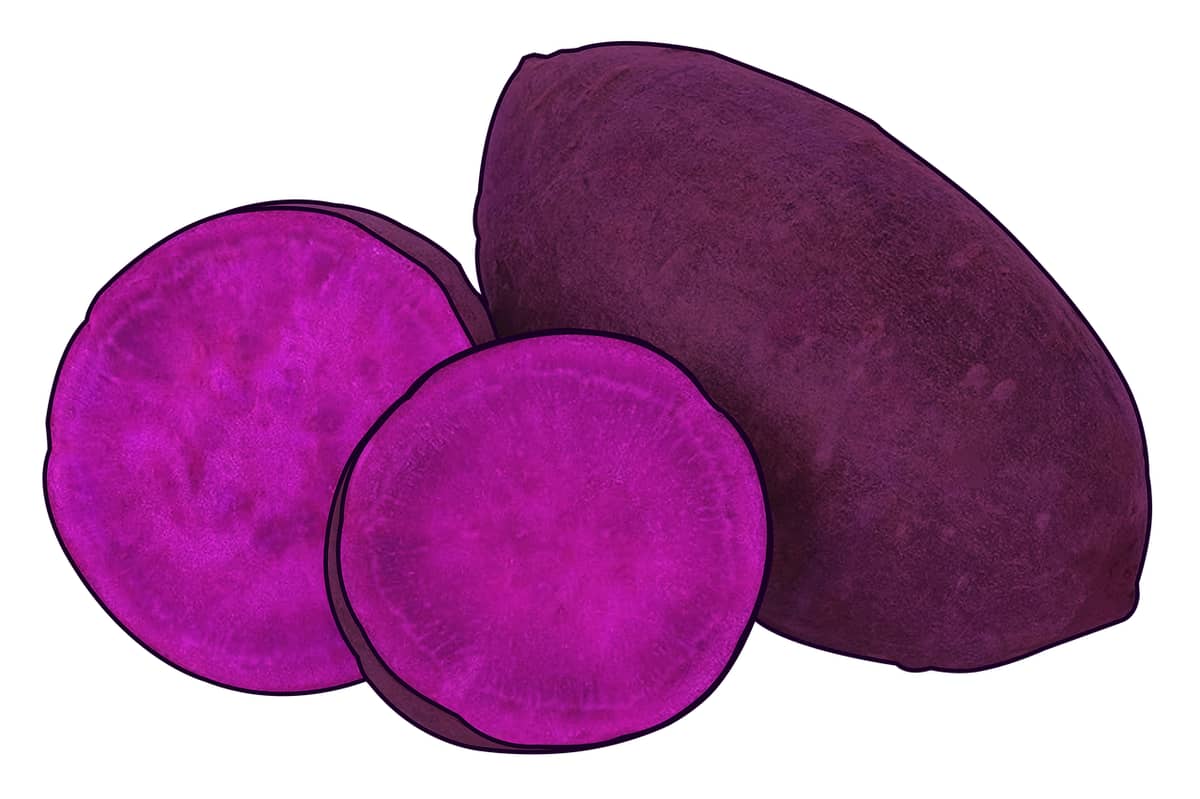
UBE (purple yam) is well loved staple in the Philippines.
Illustration by mono-tone/Pixabay
From looks to demand and estimated value, let’s now deep-dive into nutritional content. According to reports, ube and matcha are both nutrient-dense superfoods with distinct benefits: matcha offers a caffeinated, antioxidant-rich boost for focus and metabolism, while ube provides caffeine-free, fiber-rich, sustained energy to aid digestion. Matcha is ideal for morning energy, whereas ube supports satiety and offers anti-inflammatory properties.
High in fiber and antioxidants, ube is rich in anthocyanins, which reduce inflammation, lower blood pressure and fight oxidative stress. High fiber content aids digestion, promotes satiety and helps stabilize blood sugar. It also contains potassium for heart health, as well as vitamins A and C for stronger immunity. As a caffeine-free food or drink, it provides a gentle, sustained energy boost without crashing or affecting sleep.
Matcha or green tea, on the other hand, contains caffeine and L-theanine, promoting alertness and mental clarity without the jitters of coffee. Packed with catechins that protect cells and boost immunity, matcha may aid in weight management. It is also known to increase metabolic rate and support cardiovascular health.
In general, matcha is better for mornings; ube is excellent for a soothing, sustained energy boost. Matcha protects and awakens; ube nourishes and aids digestion. Matcha is earthy and bitter, making it perfect for lattes and tea, while ube is sweet and nutty, making it ideal for desserts and jams.
Whether you prefer ube or matcha, remember only one rule: Enjoy!