
SM enhances convenience of commuters, mallers
SM malls and LRTA deliver practical solutions that improve passenger experience and urban mobility.

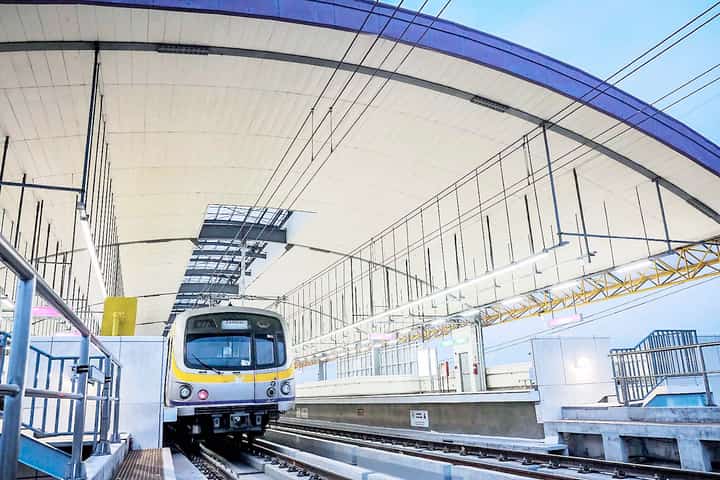
SM shopping malls live up to its catchy jingle titled “We’ve Got It All For You.” As a one-stop shop that offers almost anything that everyone is looking for, shoppers enjoy utmost convenience.
Aside from the variety of stores offering groceries, clothes, electronics and home goods, the malls have food options for the hungry from its number of restaurants and cafés. There is entertainment from movie theaters, arcades and play areas for kids.
Shoppers can pay for products and services in cash, cards and e-wallets. They can also pay electricity and water bills.
The malls themselves are strategically located making them accessible. There is ample parking and public transport terminals.
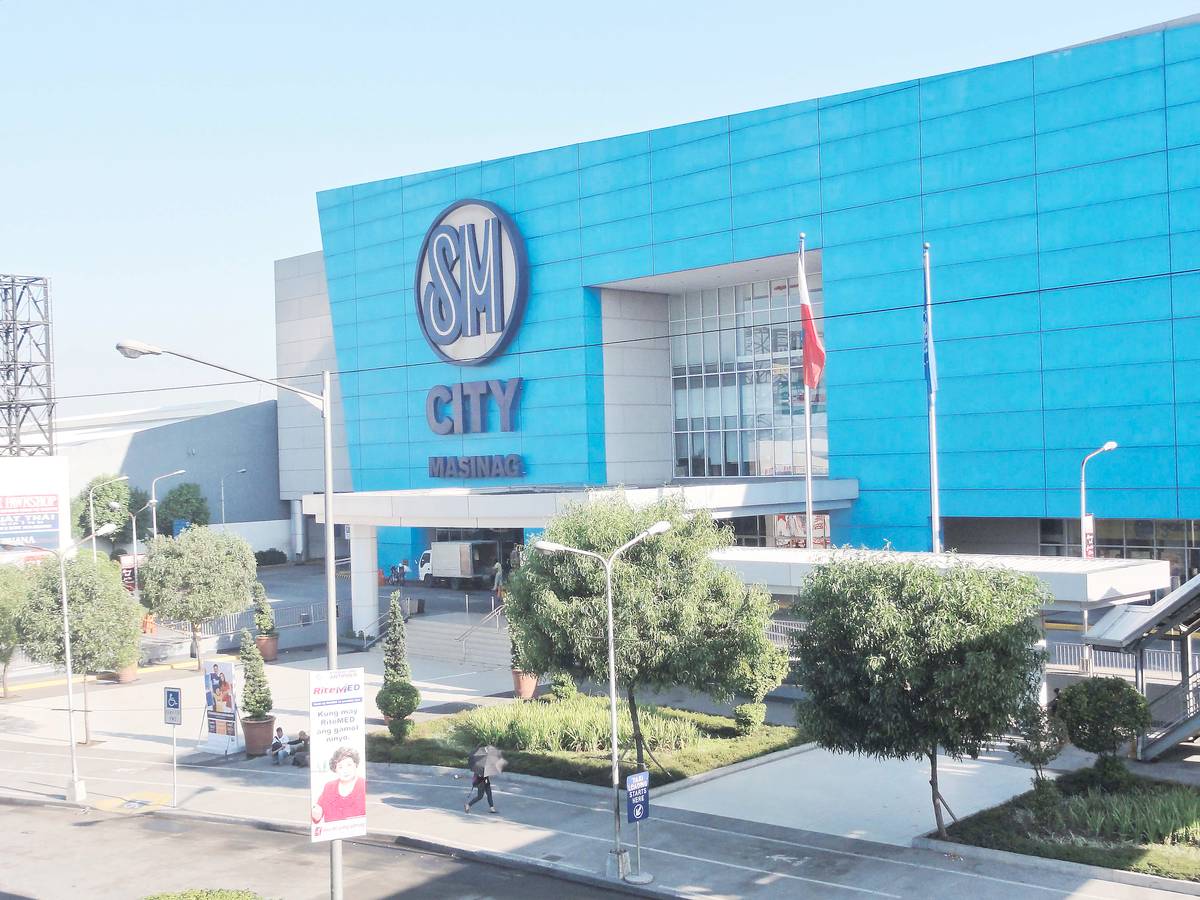
SM Masinag
Photograph by Yummie Dingding and GY for DAILY TRIBUNE
For SM City Masinag, customer convenience gets even better with the start of construction of a bridge linking the mall to the LRT-2 Antipolo station.
Officials of SM Prime Holdings, Inc. and the Light Rail Transit Authority (LRTA) signed a memorandum of agreement (MoA) to build the interconnection structure at the concourse of the station on 23 December.
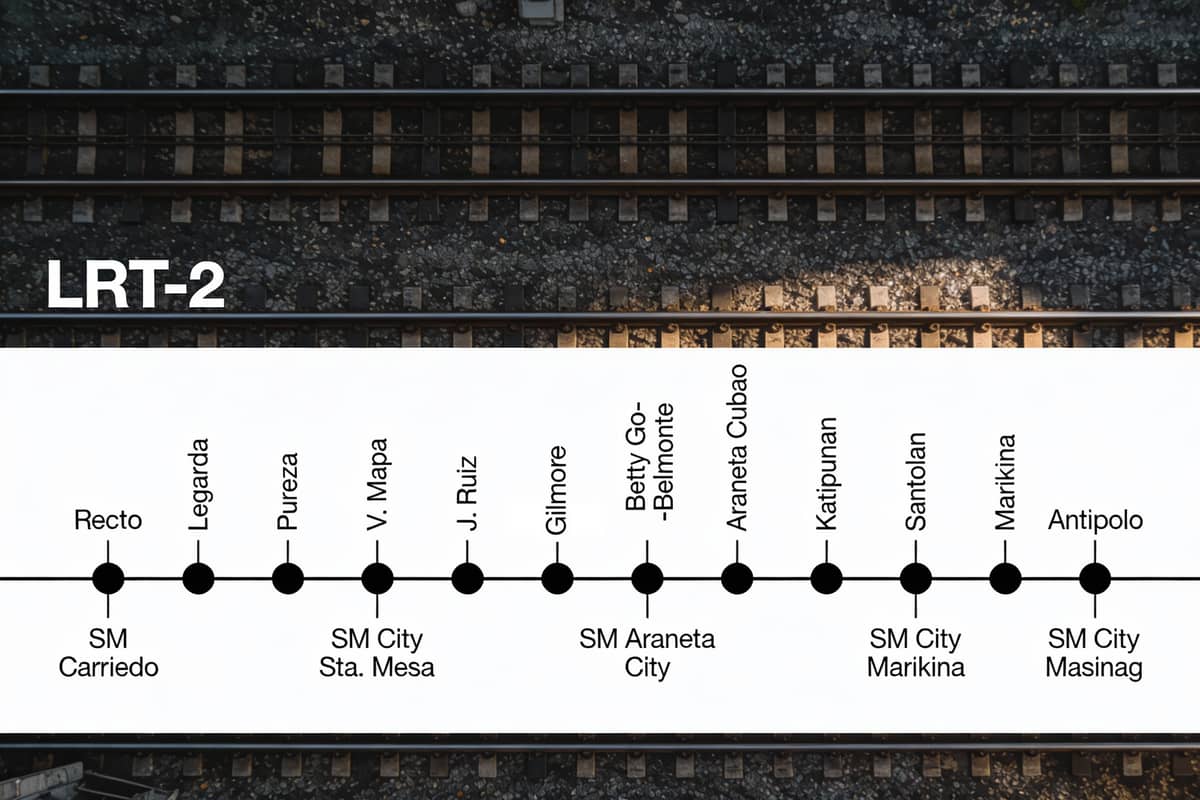
FIVE LRT-2 stations are near SM shopping malls.
ILLUSTRATION BY PERPLEXITY
“The interconnection access bridge enhances safety, accessibility, and efficiency for our passengers,” said Atty. Hernando Cabrera, administrator of the LRTA who signed the MoA. He underscored the value of the partnership between LRTA and SM Prime Holdings Inc., noting that the project exemplifies how public–private collaboration can deliver practical solutions that improve passenger experience and urban mobility.
Engr. Junias Eusebio, vice president for mall operations of SM Supermalls, said the interconnection benefits commuters, senior citizens, persons with disabilities, families and workers, while helping reduce pedestrian spillover, ease traffic along Marcos Highway, and lower carbon emissions in support of SM’s sustainability and urban mobility goals.
The construction of the interconnecting bridge is set to begin in the second quarter of 2026, with completion targeted six months later.
Meanwhile, SM Megamall in Mandaluyong City also enhances shoppers’ convenience by making them well-informed of the traffic situation in Metro Manila.
SM Megamall visitors can simply tap the Traffic Information icon on selected Mall Digital Directories to view live traffic feeds from key Metro Manila roads provided by the Metropolitan Manila Development Authority (MMDA). By knowing the traffic situation, they can better plan their routes, avoid congestion, and time their departures — turning waiting time into informed time.
Traffic updates coming from the MMDA’s AI Traffic Management System are real-time.
The MMDA–SM Smart Mobility and Traffic Information Sharing Project is part of SM Supermalls’ broader commitment to bringing convenience, connectivity and real-world value closer to where people already are.
As the initiative rolls out and made available soon in other SM Malls such as SM North EDSA and SM Mall of Asia, it reinforces a simple but powerful idea: when people are informed, they move better — and when cities move better, everyone wins.