




PNPA improvements intensified
Text size
Share
Share
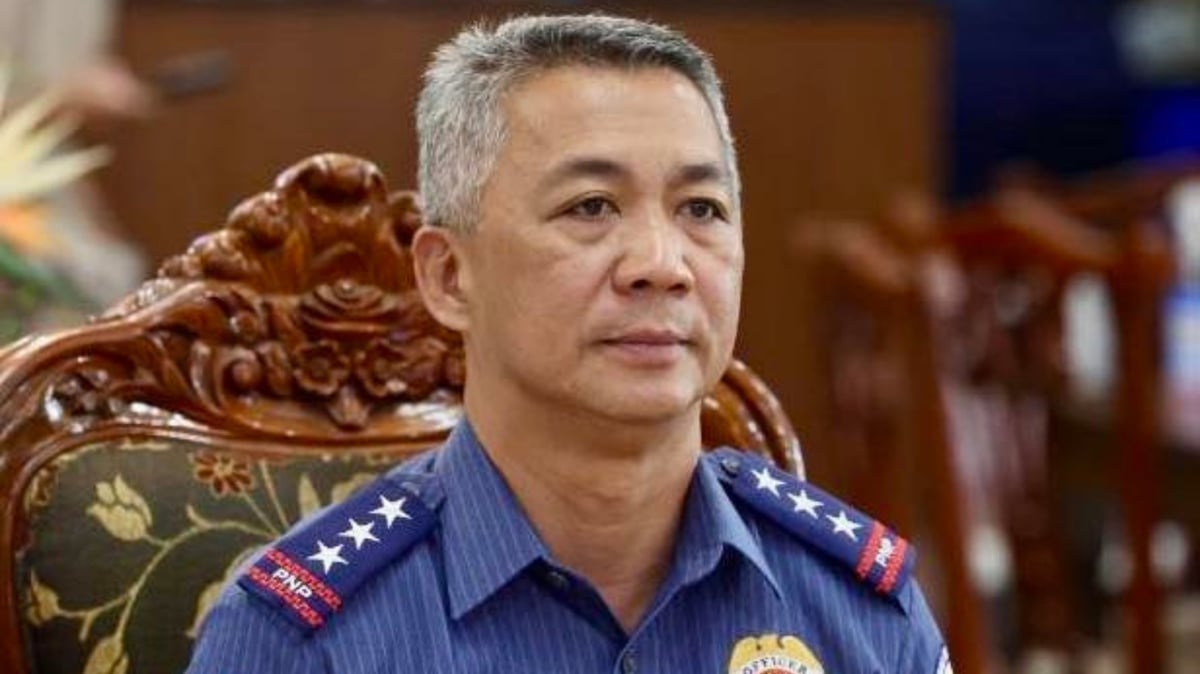
Acting Philippine National Police (PNP) Chief Lt. Gen. Jose Melencio C. Nartatez Jr. on Friday reaffirmed the PNP’s commitment to building a more capable and resilient police force during a visit to the Philippine National Police Academy (PNPA) on 13 November.
Nartatez’s visit focused on enhancing the quality of police education and ensuring the academy continues to produce officers embodying discipline, integrity and professionalism.
During a dialogue with acting PNPA director Brig. Gen. Andre Perez Dizon and academy officials, Nartatez stressed that the transformation of police service begins before officers are deployed, adding that strengthening the academy’s leadership and instructional capacity is essential to developing future officers who can uphold the highest standards of public service.
The PNP leadership discussed ongoing and future development efforts at the academy, including upgrading facilities, modernizing training tools, and improving academic and leadership programs for cadets, instructors, and personnel.
These efforts align with the broader PNP direction to ensure cadets are well-prepared for their responsibilities.
Nartatez cited that improving police education involves more than infrastructure and equipment; it requires creating an environment where cadets learn the value of discipline, responsibility, and sincere service to the Filipino people.
Under his leadership, the PNP is pursuing the vision of a “Bagong PNP para sa Bagong Pilipinas: Serbisyong Mabilis, Tapat, at Nararamdaman,” aiming for a police organization that is modern, principled, and deeply connected to its communities.
Nartatez’s focus on the growth of the academy and its faculty underscores the belief that the strength of the PNP begins with the quality of its training and the character of its future officers.
