




‘I just want to breathe’
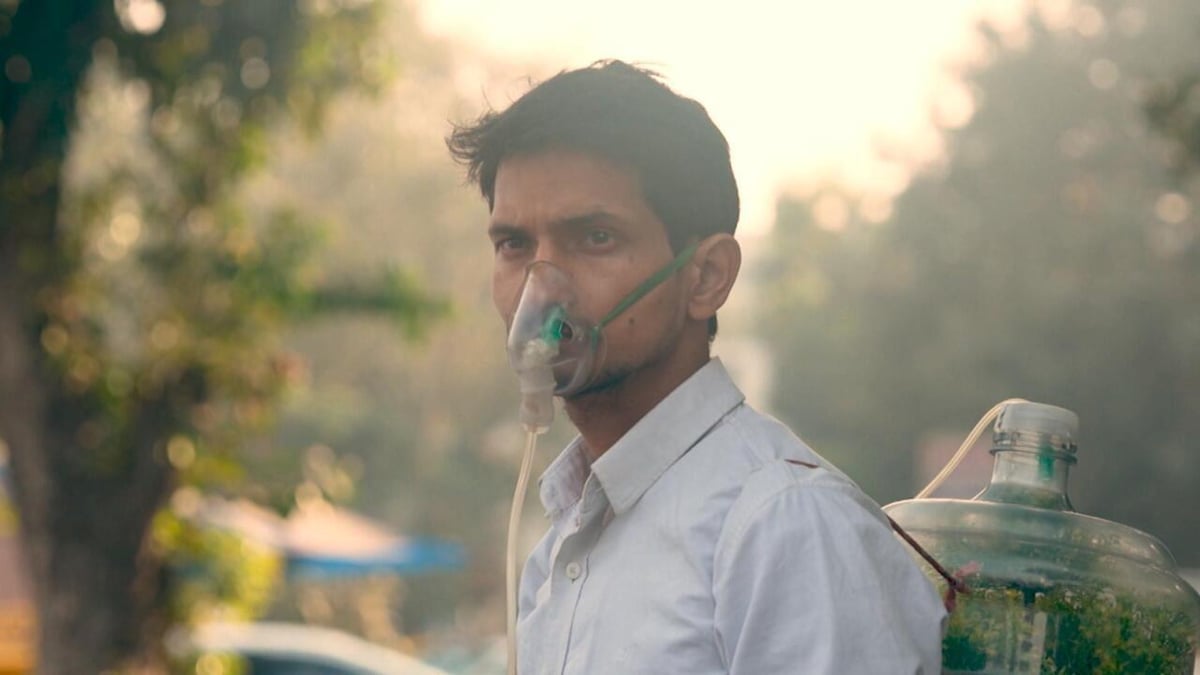
NEW DELHI, India (AFP) — Dozens of protesters rallied in New Delhi on Sunday to demand government action on toxic air, as a thick haze containing dangerous microparticles shrouded the Indian capital.
Parents in the crowd brought their children, who wore masks and waved placards, with one reading: “I miss breathing.”
New Delhi with its sprawling metropolitan region of 30 million residents is regularly ranked among the world’s most polluted capitals.
Acrid smog blankets the skyline each winter, when cooler air traps pollutants close to the ground, creating a deadly mix of emissions from crop burning, factories and heavy traffic.
Levels of PM2.5 — cancer-causing microparticles small enough to enter the bloodstream — sometimes rise to as much as 60 times the United Nations’ daily health limits.
“Today I am here just as a mother,” said protester Namrata Yadav, who came with her son.
“I am here because I don’t want to become a climate refugee.”
On Sunday, PM2.5 levels around India Gate, the iconic war memorial where protesters had assembled, were more than 13 times the World Health Organization’s recommended daily maximum.
“Year after year, it is the same story but there is no solution,” said Tanvi Kusum, a lawyer who said she had come because she was “frustrated.”
“We have to build pressure so that the government at least takes up the issue seriously.”
Piecemeal government initiatives have failed to make a noticeable impact.
These included partial restrictions on fossil fuel-powered transport and water trucks spraying mist to clear particulate matter from the air.
Housing is probably the biggest issue affecting people the world over.
Malacañang on Monday called for a more thorough investigation into the questioned flood control projects in Taguig…
The defense on Monday backed the move by senator-judges to exclude a prosecution witness who testified on the firearms…
