




Two Indias


From Mumbai’s longest bridge, dozens of small boats punctuate the Arabian Sea, ferrying fishermen, goods, commuters along the city’s busy coastline.
Text size
From Mumbai’s longest bridge, dozens of small boats punctuate the Arabian Sea, ferrying fishermen, goods, commuters along the city’s busy coastline.
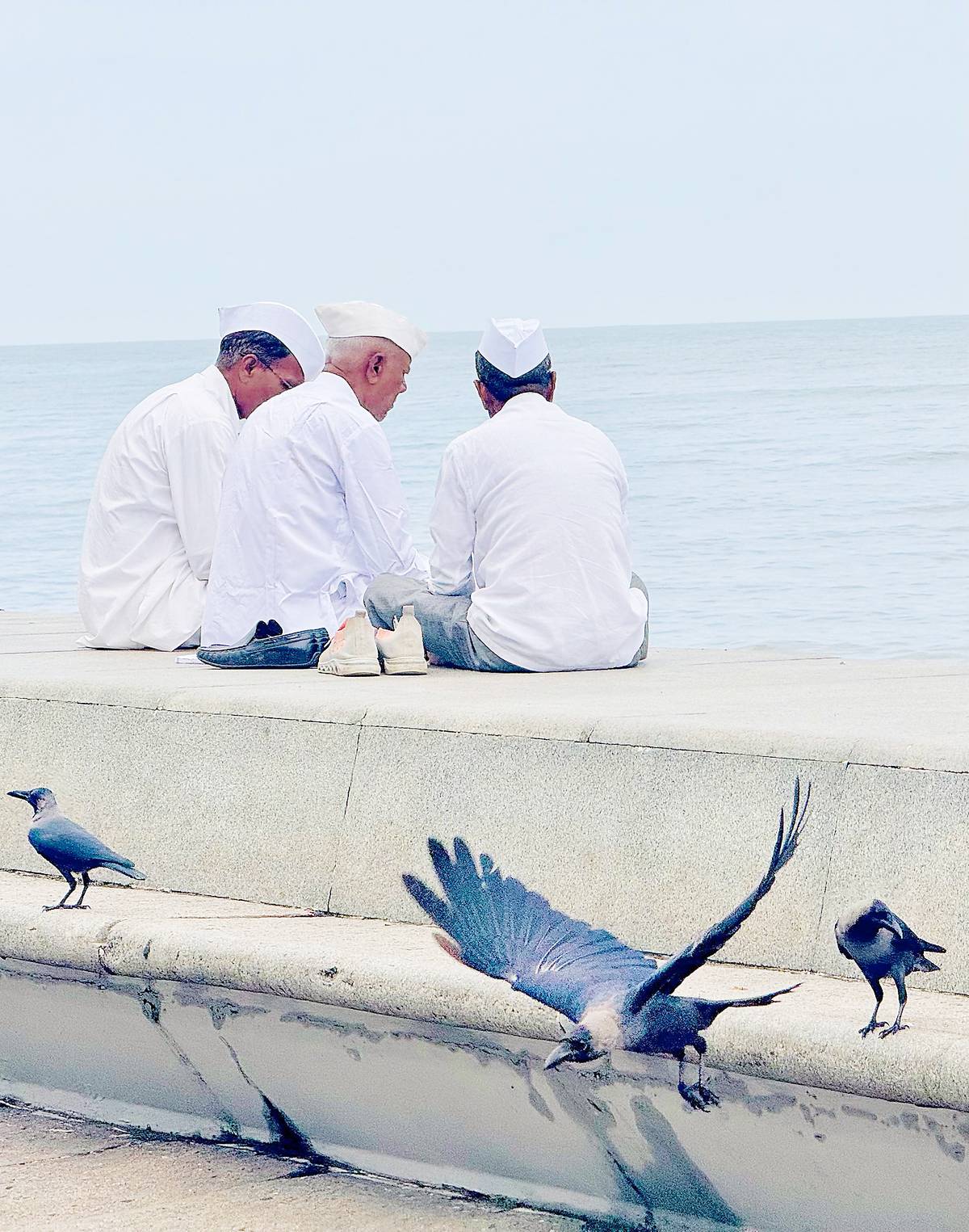
An idyllic scene by the Arabian Sea, along which Mumbai’s coastline stretches 149 kilometers of many contrasts: Modern skyscrapers against colonial-era buildings and bustling streets against troubled waters that have long carried trade, culture and ambition.
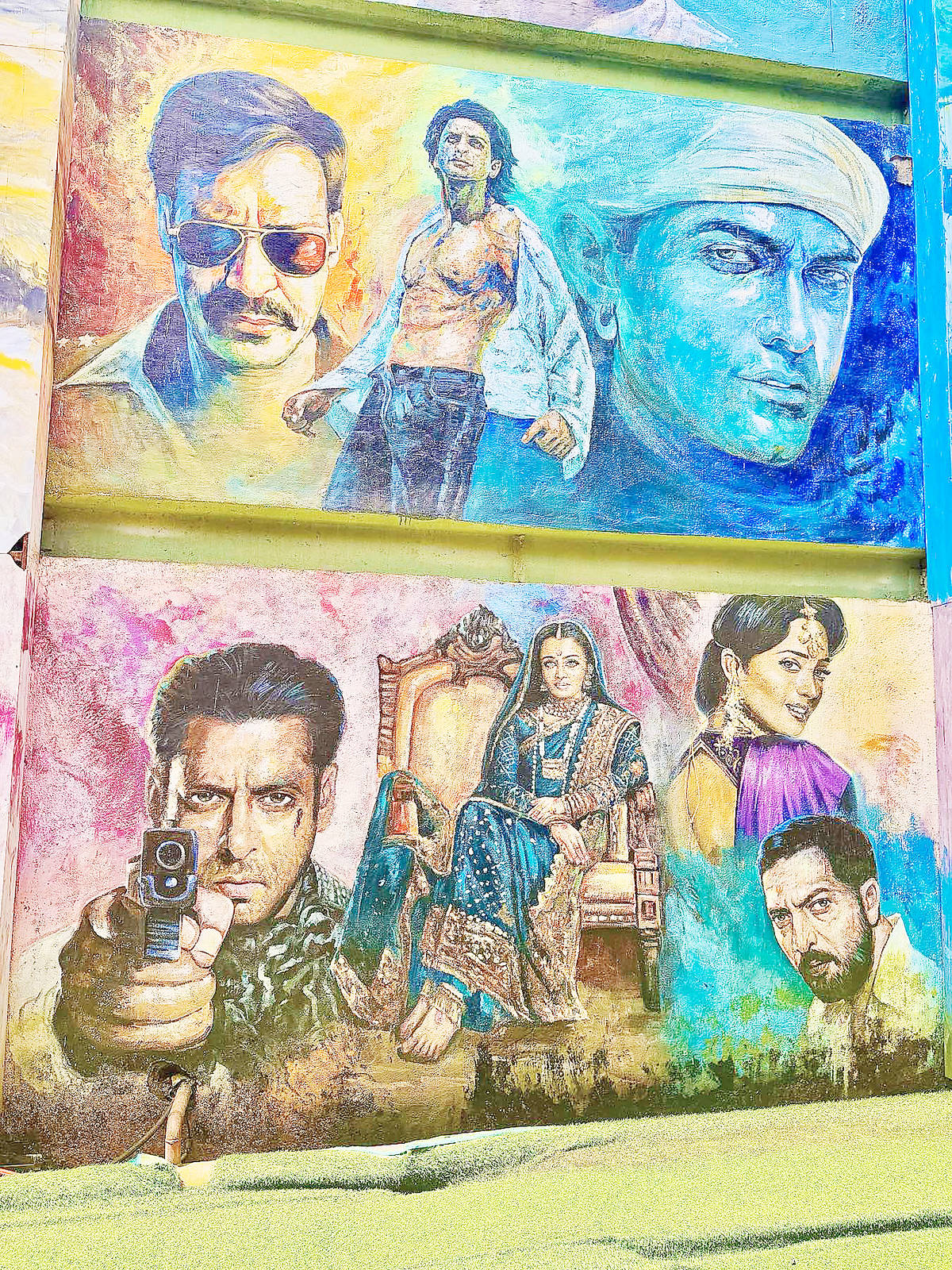
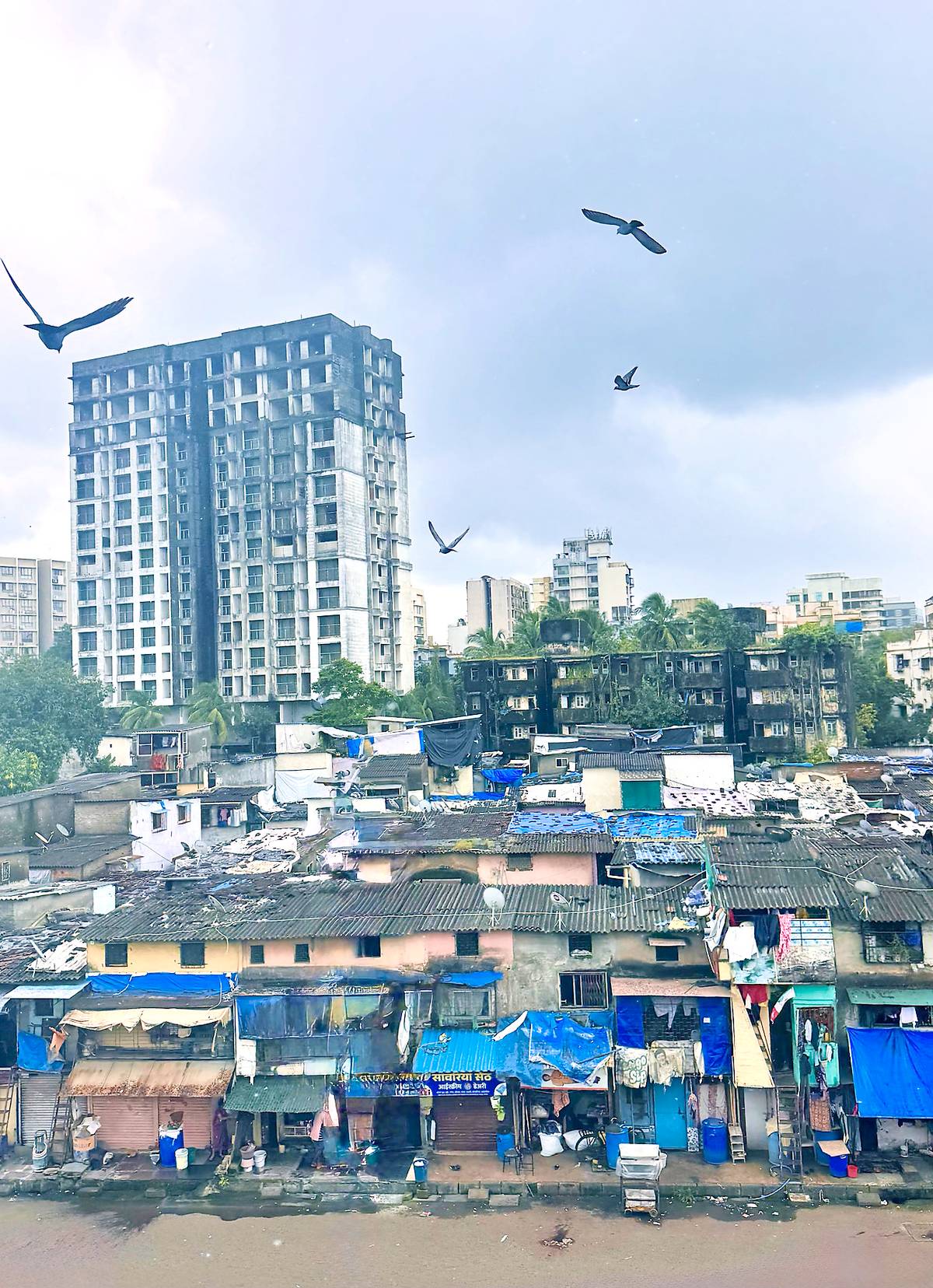
Mumbai’s famous slums house over 40 percent of the city’s population, driving informal economies and daily urban life.
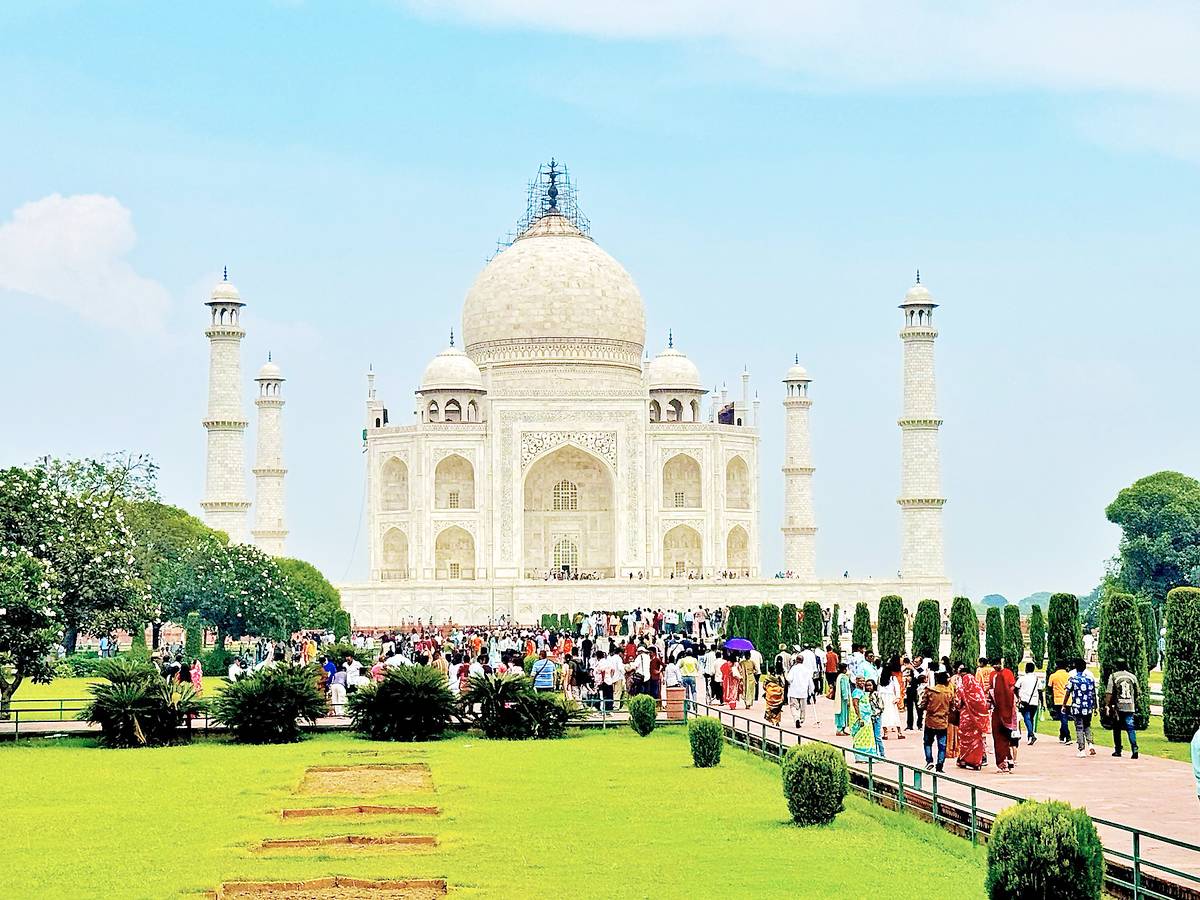
The first view is a shock to the nervous system: Taj Mahal emerging through the arch, and suddenly your chest feels too small to hold the scale of the precise marble. It’s love’s ultimate arrogance: perfect, impossible, entirely justified.
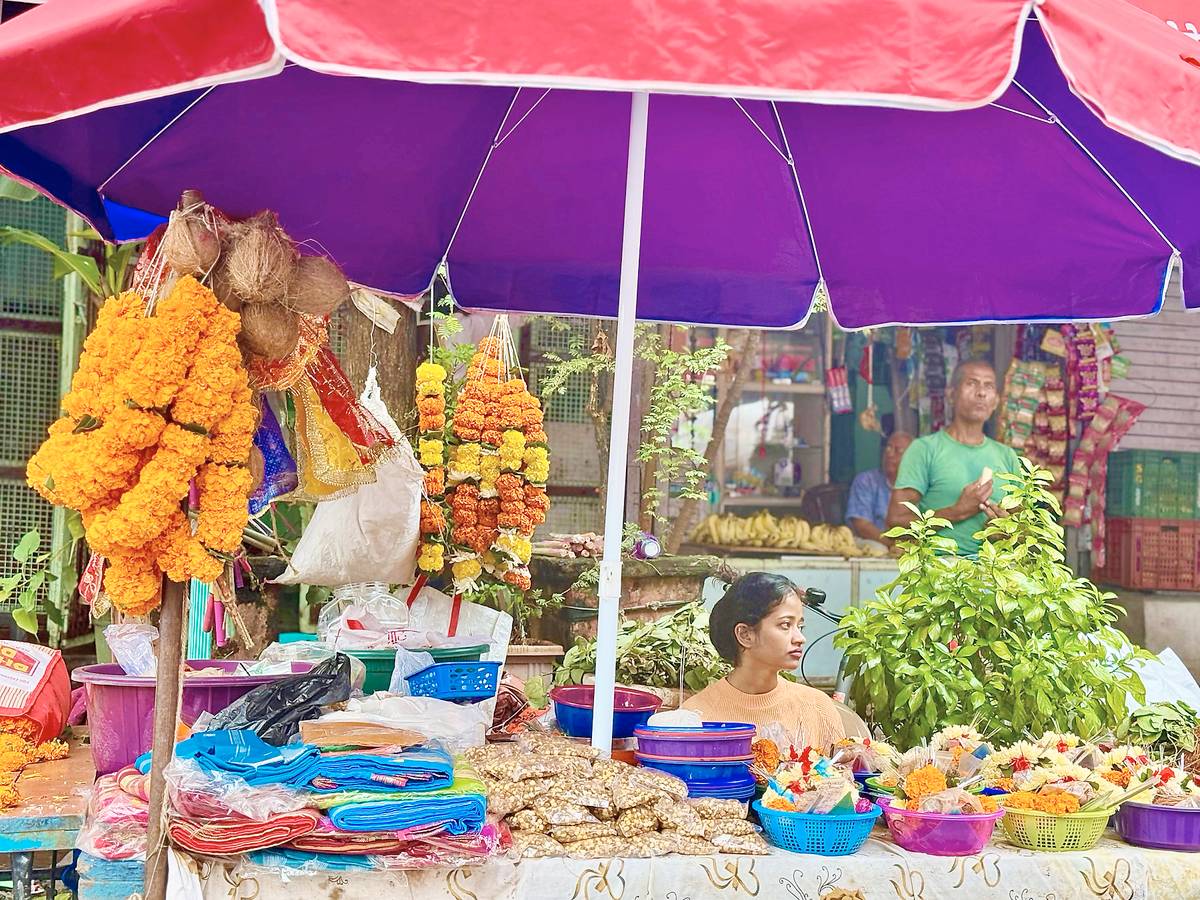
A girl at a Mumbai wet market: narrow aisles piled with fish, vegetables and every imaginable commodity, largely run by Koli women.
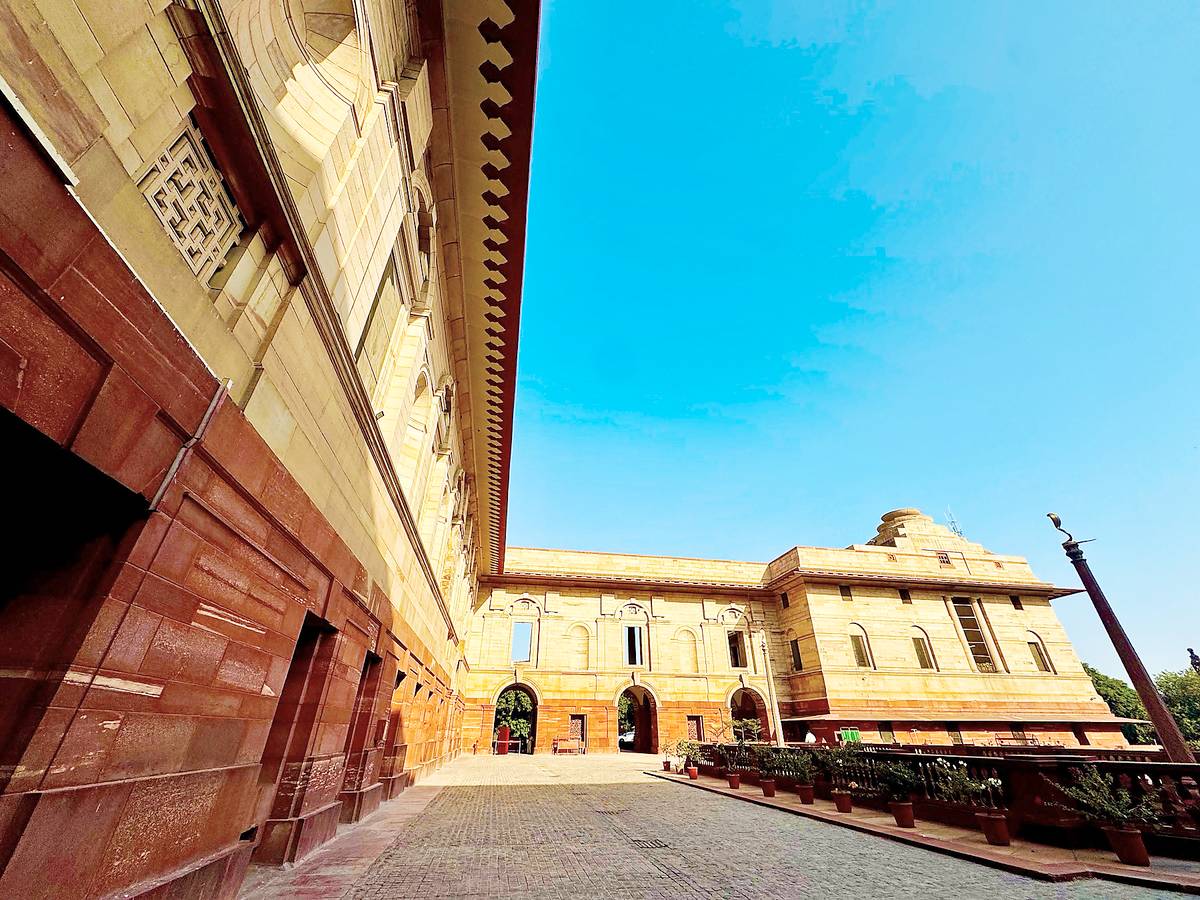
Agra Fort Just another old fortress to those unversed with India’s history. Yet you step inside and it becomes a ledger of empire where Indian rulers rose, fell, mourned and stared across the Yamuna at the white ghost of the Taj Mahal.
Delhi and Mumbai don’t as much coexist as collide in the same sentence. Two capitals that share a flag but never the rhythm.
Delhi looks at you the way old power always does, perfumed with empires and diesel, its monuments look exhausted from being photographed.
Mumbai, God help her, is perpetually out of breath from running late to its own revolution. The slums hum louder than the stock exchange, where the city’s dreams go to work while the rest sleeps in refrigerated air.
Here, the monsoon turns ambition to mildew but no one stops moving; even the stray dogs look busy.
Everywhere you turn, contradictions, all in one accidental democracy of the lens: a cow beside a Maybach, a beggar with better English than you, a man selling fried theology for five rupees a bite. A man in a Nehru jacket shares a frame with a billboard for Zara.
You come looking for order and leave realizing chaos was the plan all along, the noise you mistake, so eagerly, for progress.
The two-year postponement of the Barangay and Sangguniang Kabataan Elections (BSKE) could help the incumbent…
Three petitions challenging the constitutionality of the Senate impeachment court’s revised interpretation of the…
A health reform advocate on Wednesday warned that a reduced 2027 budget for the Philippine Health Insurance Corp.…
