
Tacloban City shooting: A wake-up call
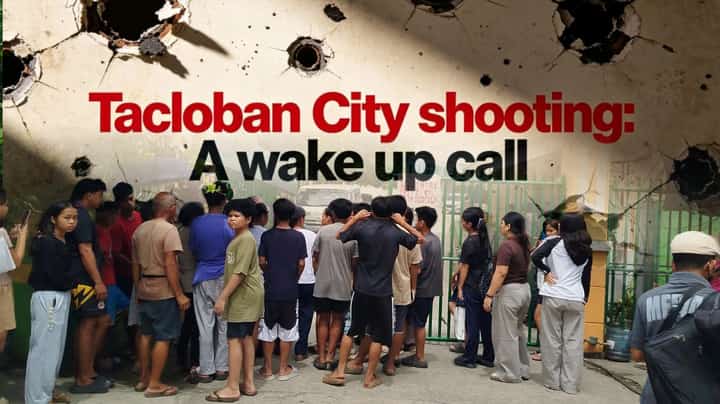
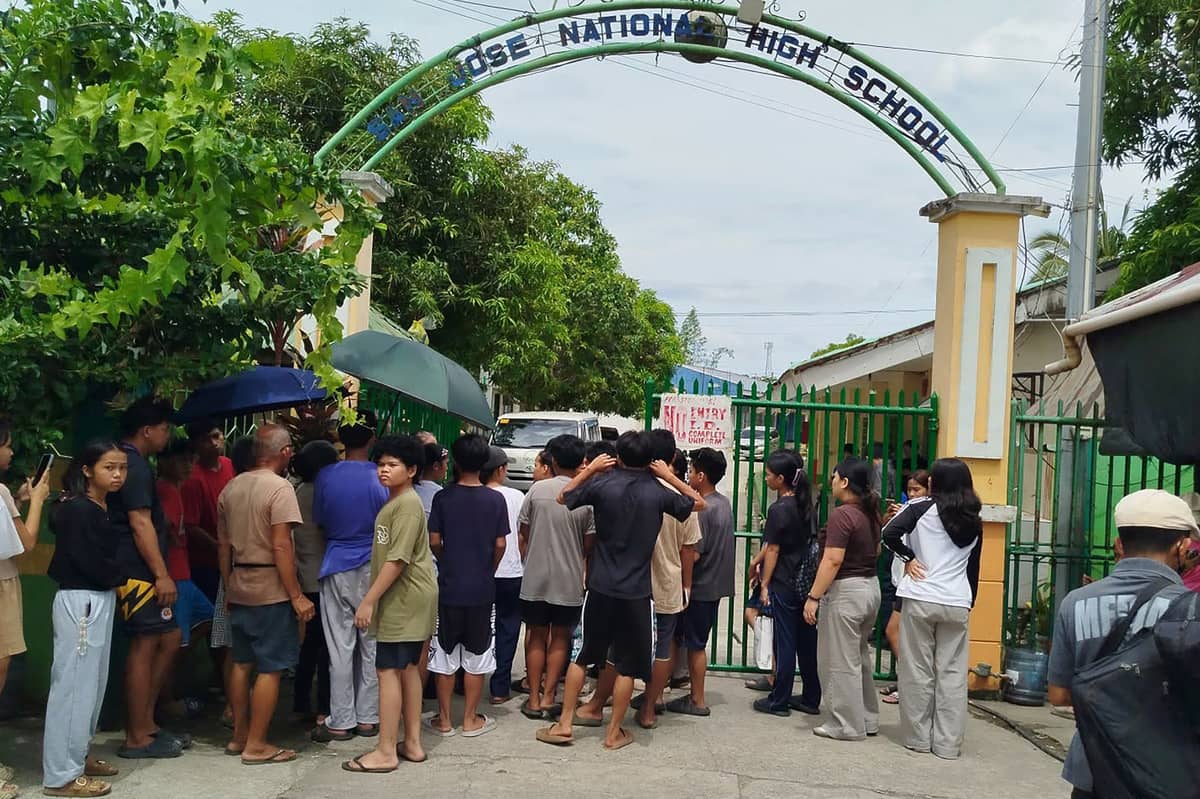
STUDENTS and their parents wait for permission from school authorities to enter the school compound at the gate of San Jose High School in Tacloban City, Leyte, a day after a shooting incident
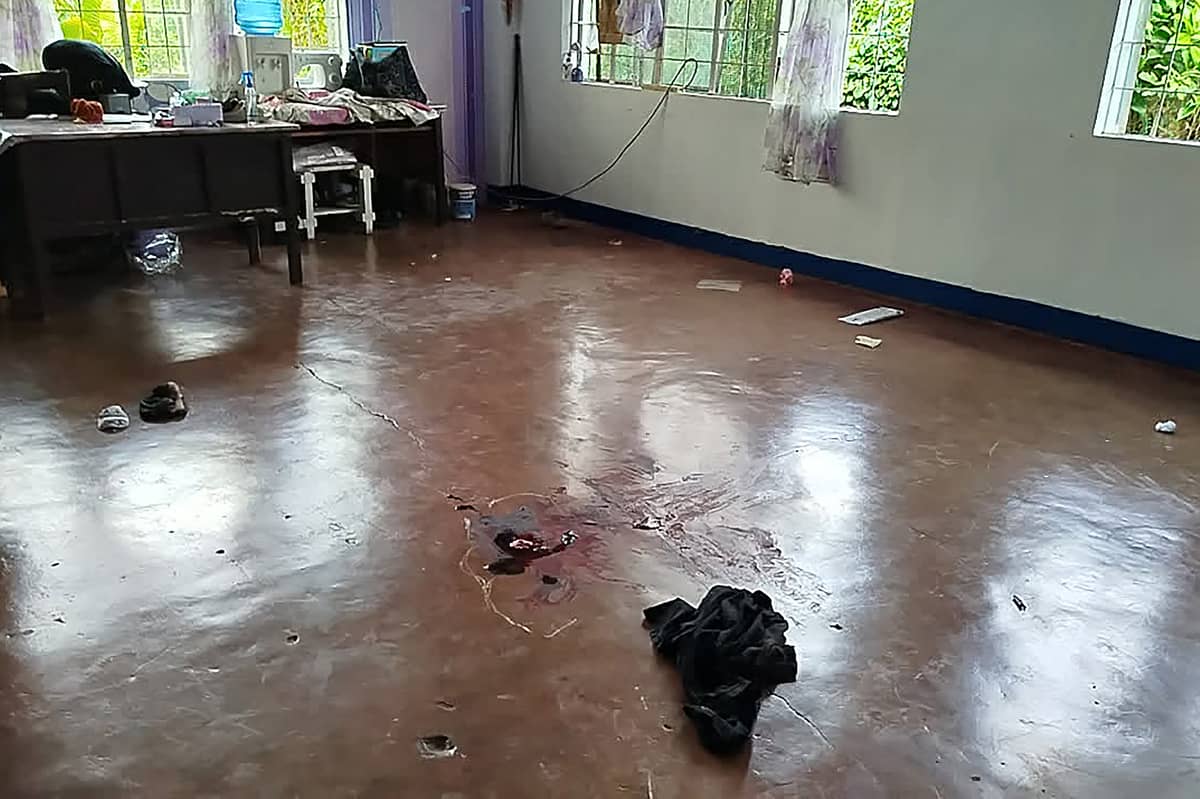
BLOOD on the floor in a classroom presents a jarring image
In the heels of the gruesome killing that happened inside a high school in Tacloban City, a supposed second home of learners, a question was raised: What is going on with our youth and students today?
On 22 June, three innocent lives were snuffed out when two minors, aged 14 and 15, went berserk and shot students inside their classrooms — a situation that had only ever happened in the United States.
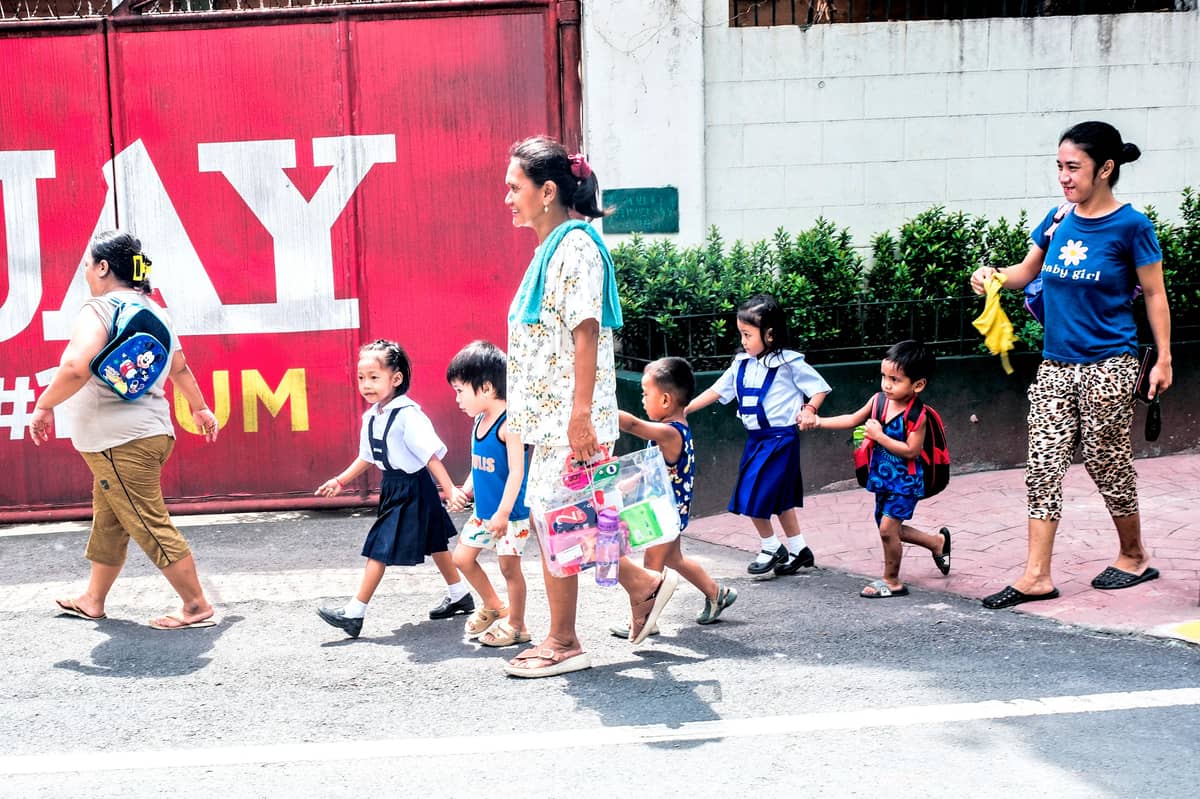
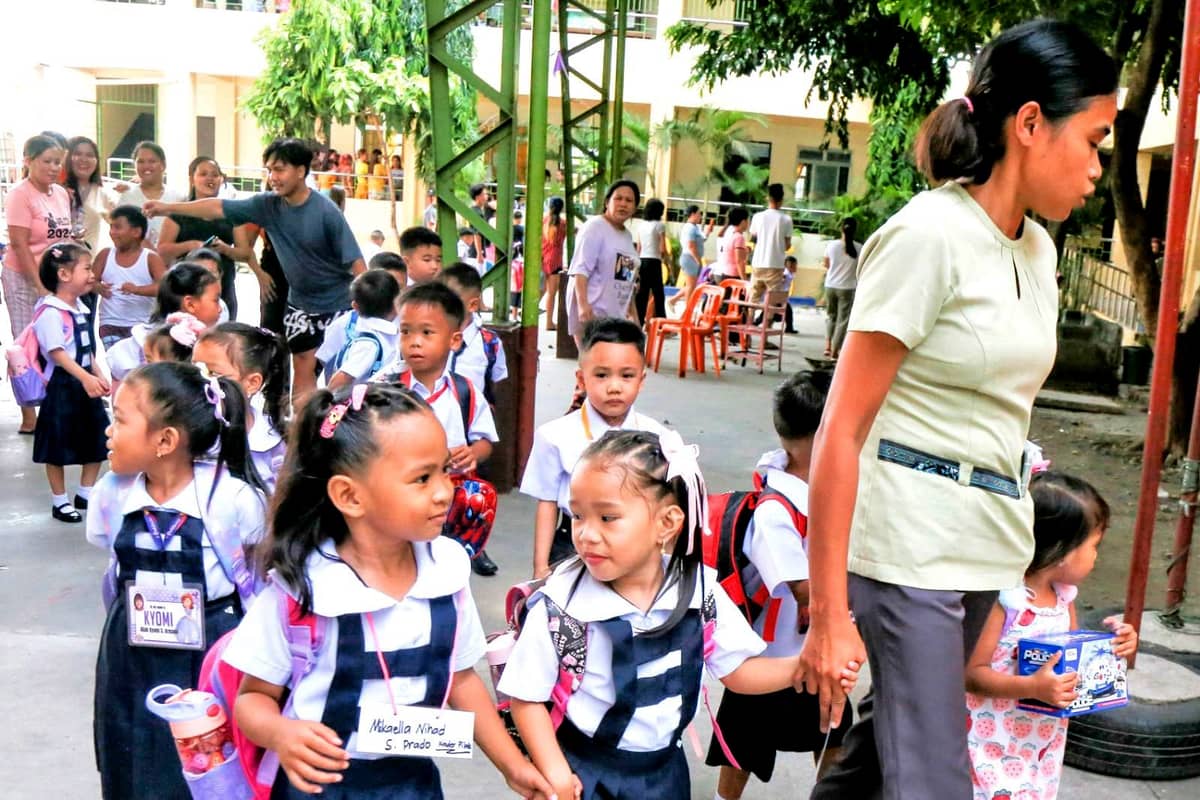
KINDERGARTEN students and their mothers traverse Quiapo, Manila, on the first day of classes.
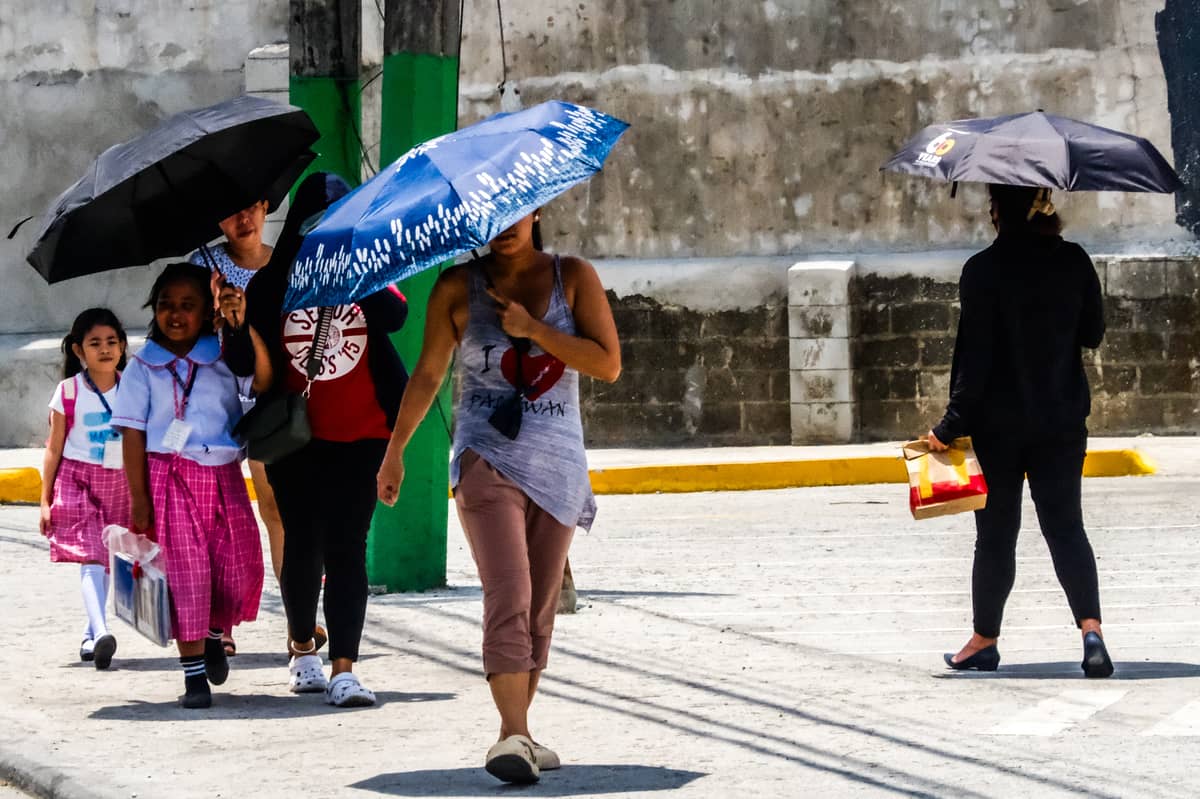
RAIN or shine, kids make the daily trek to school along Quirino Highway in Quezon City.
The incident rekindled the need to amend the Juvenile Justice and Welfare Act, lowering the minimum age of criminal responsibility and striking out criminal liability exemptions for minors aged 10 to 17 who commit heinous crimes.
According to sociologists, trimming the age of criminal responsibility can lead to institutionalization, as pushing young offenders into adult detention centers risks severe stigmatization, which can increase the likelihood of repeat offenses (recidivism) rather than successful reintegration into society.
The issue also alarmed Malacañang Palace, prompting President Ferdinand Marcos Jr. to call for a united national effort to safeguard Filipino children, urging
government agencies, schools, parents, teachers and communities to work together to ensure that every child grows up in a safe and nurturing environment following a series of heartbreaking incidents involving students.
The President cited the recent school shooting in Tacloban City, fatal stabbing incidents inside schools in Cavite, and the deaths of two student-athletes during a team-building activity, saying that while the circumstances differed, they carried the same urgent message — protect the youth.
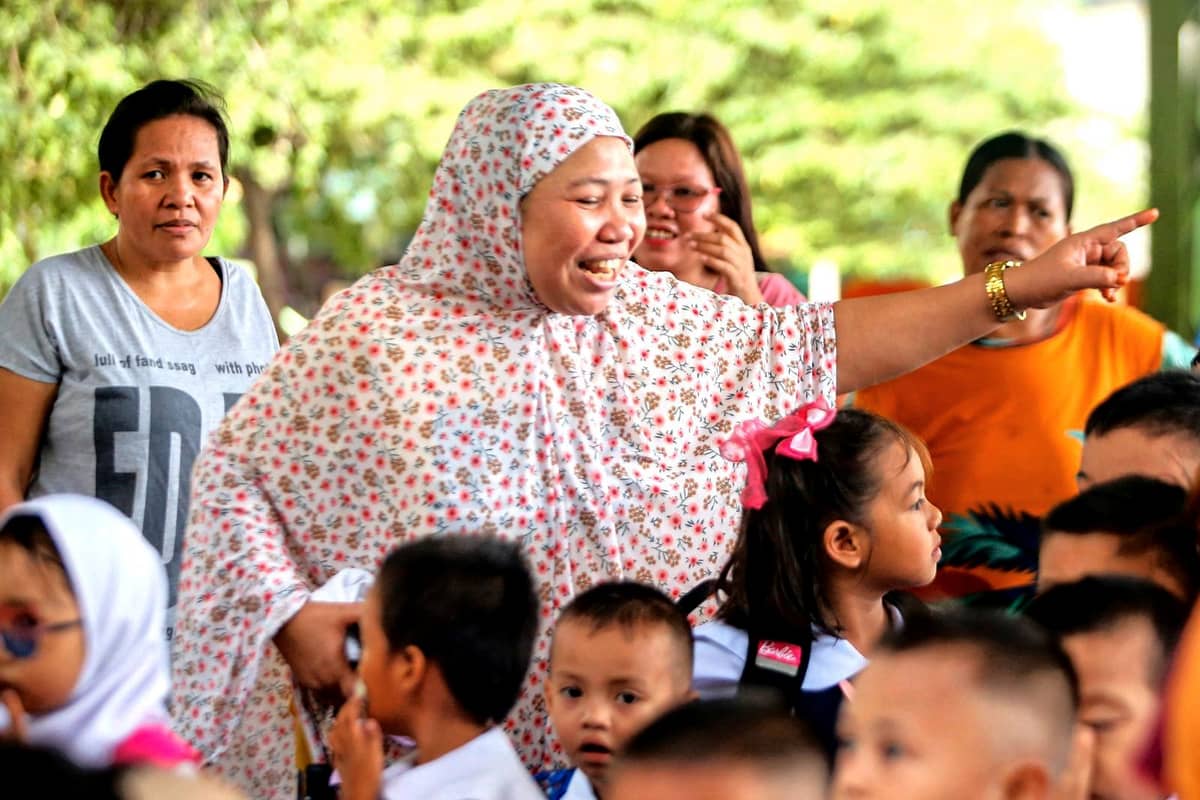
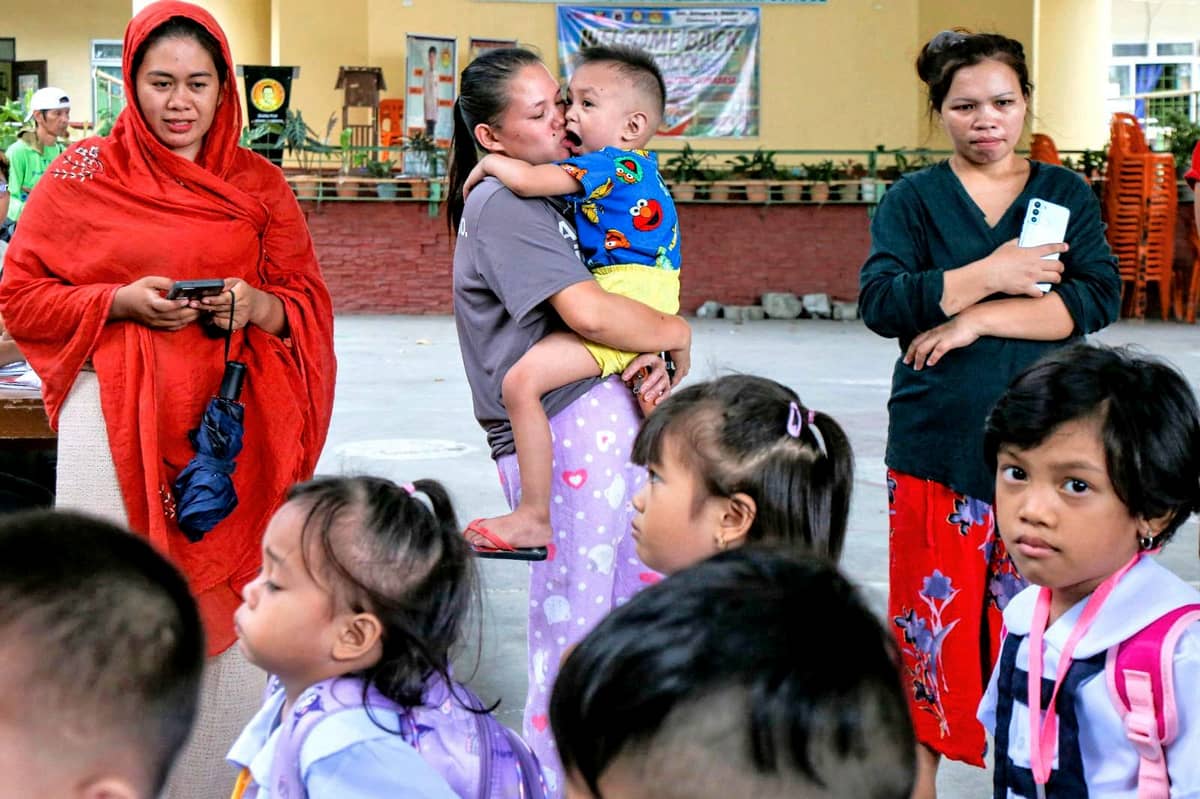
PARENTS send off their kids to a kindergarten school in Manila.
He said schools should remain places where children learn, pursue their dreams and develop their potential — not where parents fear for their children’s safety.
Marcos also reminded parents to remain actively involved in their children’s lives, urged teachers to continue serving not only as educators but also as mentors and counselors, and reminded schools to strictly enforce safety protocols during classes, field trips, training camps and other school-related activities.
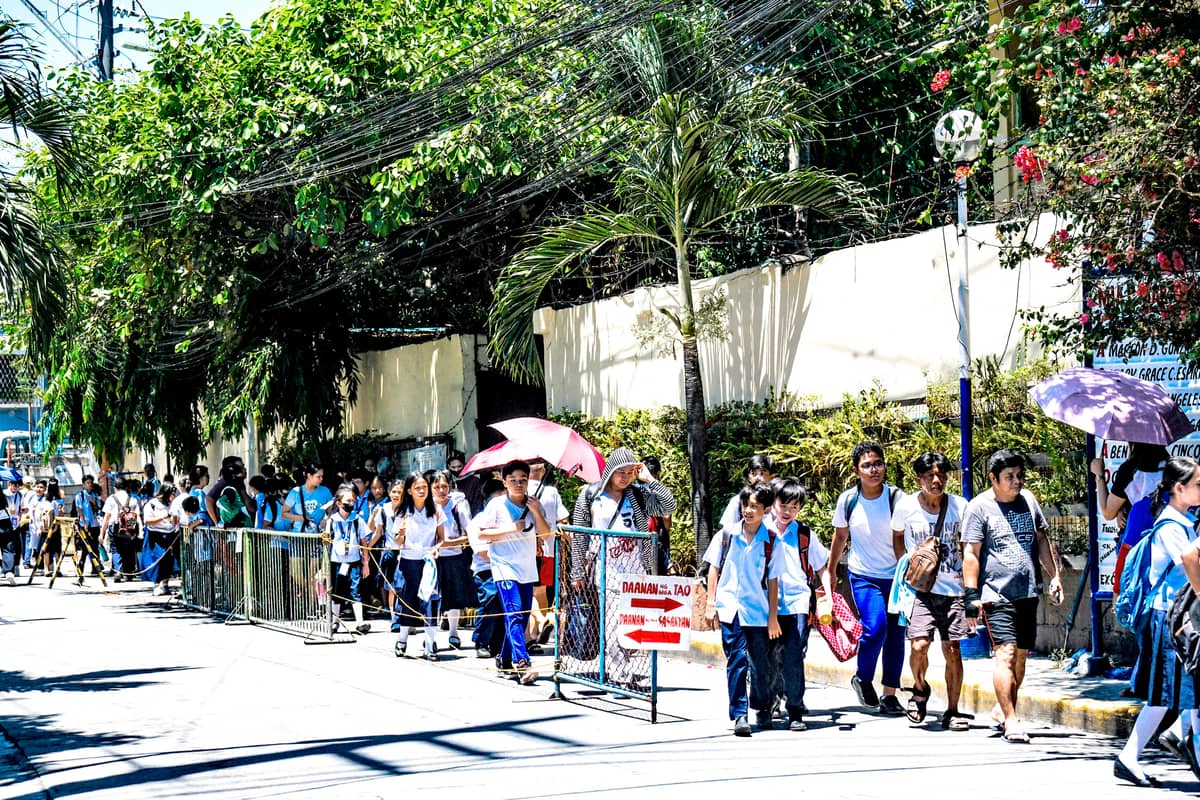
ENDURING the heat, parents fetch their children after classes at Justo Lukban Elementary School.
The senseless violence in Tacloban demands that we look beyond the classroom, but look closer into our homes, to address the underlying struggles and toxic influences affecting our youth. The Filipino family must learn to become strong against all odds.