
Marcos to convene economic team amid Mideast oil fears
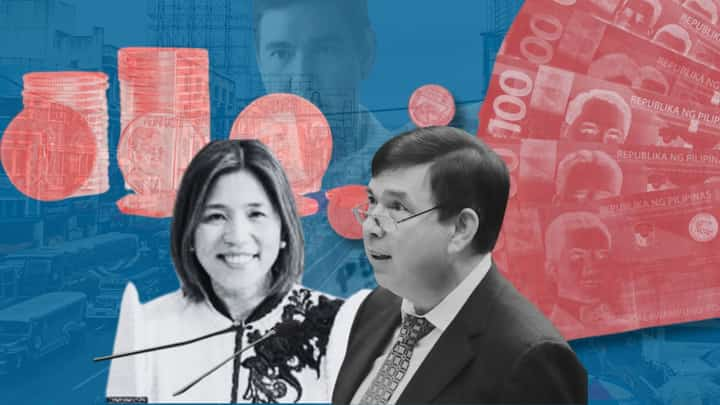
MARCOS' Jr. economic team, led by Finance Secretary Ralph Recto and Budget Secretary Amenah Pangandaman, is in the driver's seat of the seeming downward spiral of the economy.
Chynna Basillaje
President Ferdinand Marcos Jr. will meet with his economic team to assess the potential impacts of the escalating conflict in the Middle East, Malacañang said Monday.
In a media briefing, Presidential Communications Undersecretary and Palace Press Officer Claire Castro said the meeting will focus on contingency measures amid rising concerns over a possible energy crisis due to tensions in the oil-rich region.
“Magkakaroon ng meeting ang economic team with the President (The economic team will meet with the President)," Castro told reporters, noting that the Palace will provide an update about the meeting.
The development comes as fears grow over disruptions in the global oil market following intensified conflict between Israel and Iran.
Tensions escalated after United States (US) airstrikes on Iranian nuclear sites prompted strong retaliation threats from Tehran.
The ongoing conflict poses a serious risk to the domestic fuel supply and transportation costs, as the Middle East serves as a key source of the Philippines’ oil imports.
In response, Castro said the Philippine government is preparing for a potential energy crisis and has allocated P2.5 billion for the fuel subsidy program..
In a radio interview, Senator Win Gatchalian emphasized the need for the government to promptly release fuel subsidies amid rising global oil prices driven by the Israel-Iran conflict.
While the Philippines mainly imports oil from Saudi Arabia, Gatchalian warned that market volatility, especially concerns over disruptions in the Strait of Hormuz, is driving local prices higher.
“Almost 99 percent of our oil is imported. So if international prices rise, we will feel the impact,” he said.
Gatchalian added that the 2025 national budget has earmarked P2.5 billion in fuel subsidies for vulnerable sectors such as public transport drivers, farmers, and fisherfolk.
Under special provisions, these funds can be released once crude oil prices average $80 per barrel — a threshold already surpassed multiple times.