Phl has rich history of impeachment
The country’s most notable impeachment proceedings began in 2000 against then-President Joseph Estrada. Accused of plunder and corruption.

Mothers have long been the most resourceful figures in the household, balancing care, sacrifice and ingenuity in ways…

As a first hello to Japan, it was a trip that went beyond expectations, starting out with the warm and sincere welcome…
Modernity and nature do not always have to compete

Men carrying rifles flooded stairwells as senators disappeared behind locked doors and whispered instructions.

Uniquely crafted dishes with a variety of flavors by Las Piñeros and Las Piñeras

SENATE President Juan Ponce Enrile prepares to bang the gavel at the conclusion of the oral arguments in the impeachment trial of Supreme Court Chief Justice Renato Corona before the senator-judges acting as an impeachment court in Manila on 28 May 2012.

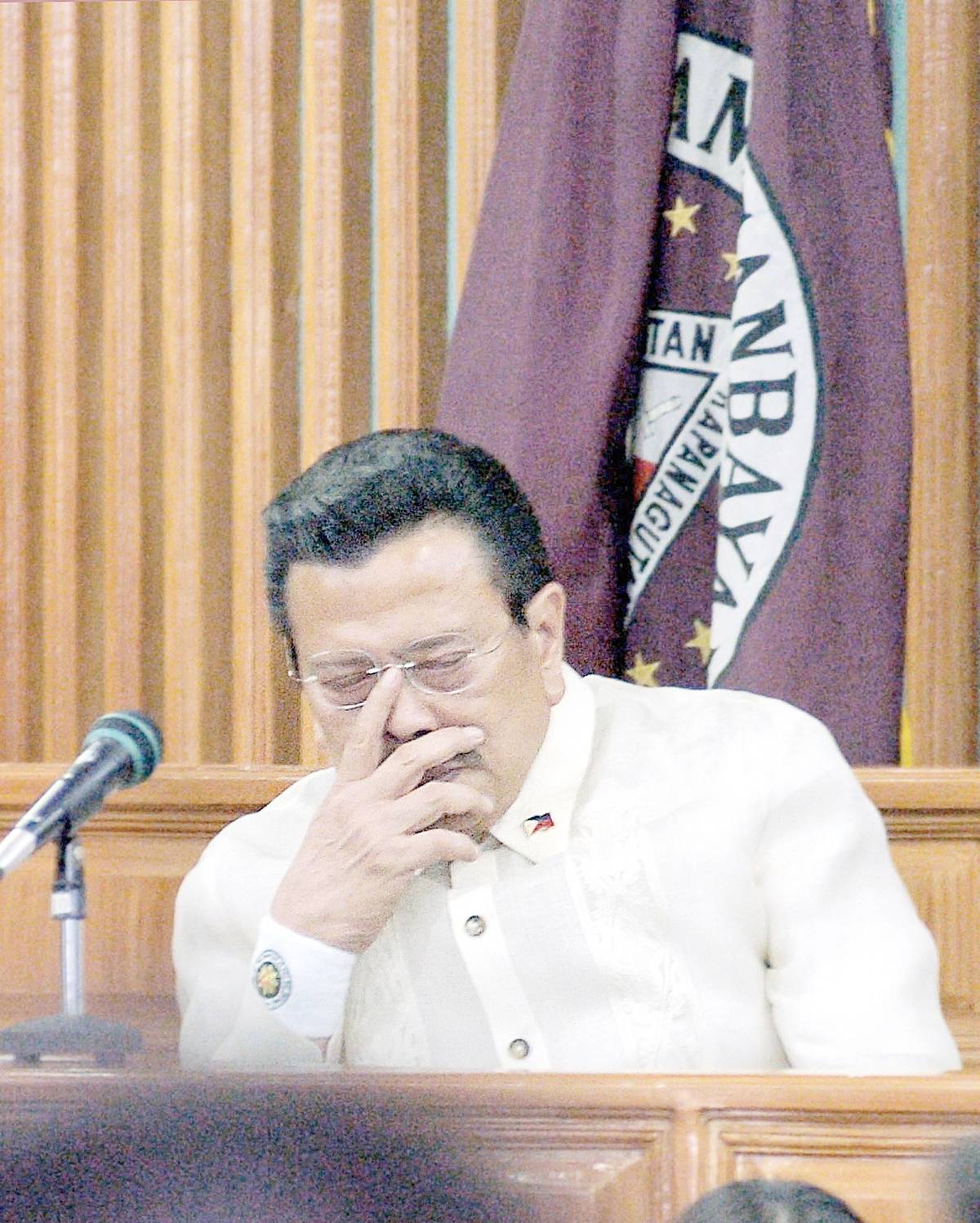
FORMER President Joseph Estrada’s trial was aborted on 17 January 2001, declared as resigned by the Supreme Court and left office on 20 January 2001.

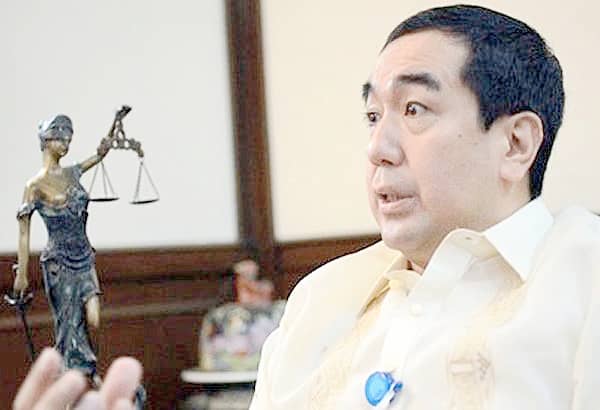
THE House of Representatives approved the Articles of Impeachment of former Comelec chief Andres Bautista by a vote of 241-47 with 4 abstentions. He resigned on 29 April 2011, before trial by the Senate.

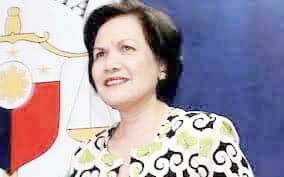
FORMER Justice Secretary Merceditas Gutierrez was removed and disqualified by the Senate on 29 May 2012, by a vote of 20-3.

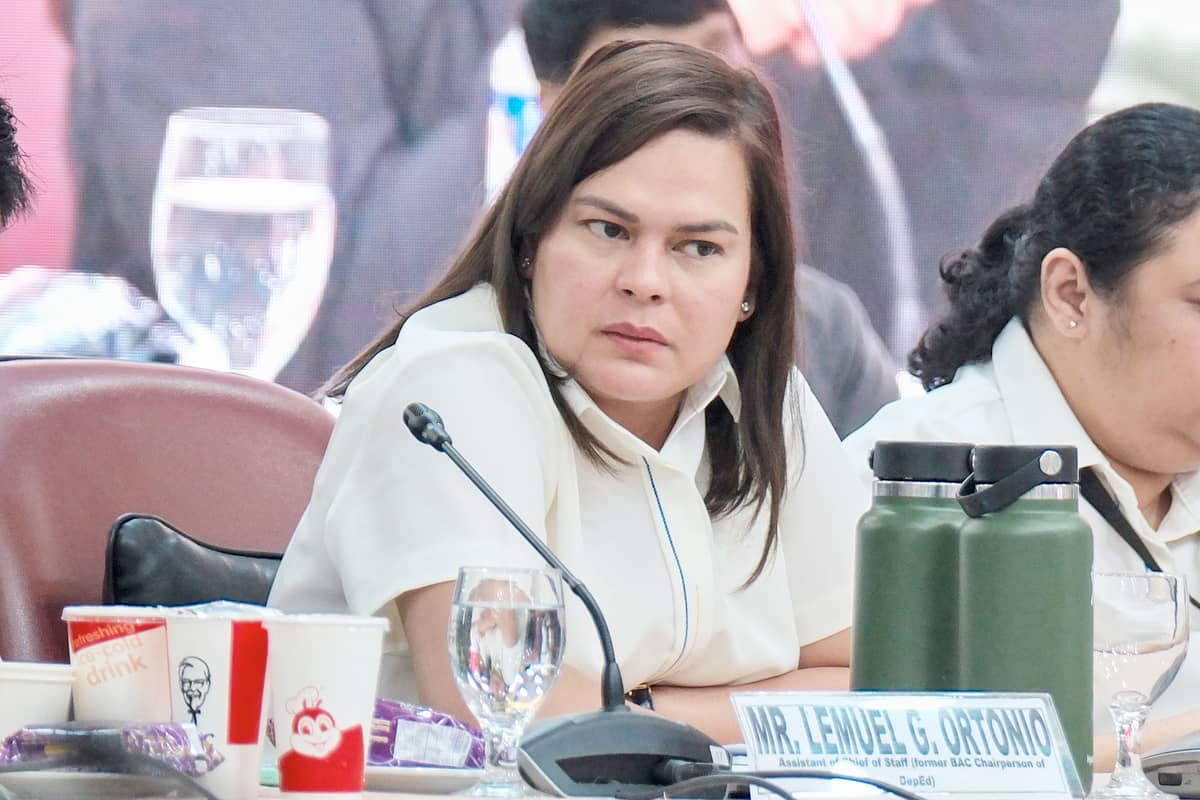
THE House of Representatives approved Vice President Sara Duterte’s Articles of Impeachment with 215 affirmative votes. Impeachment trial in the Senate is pending.

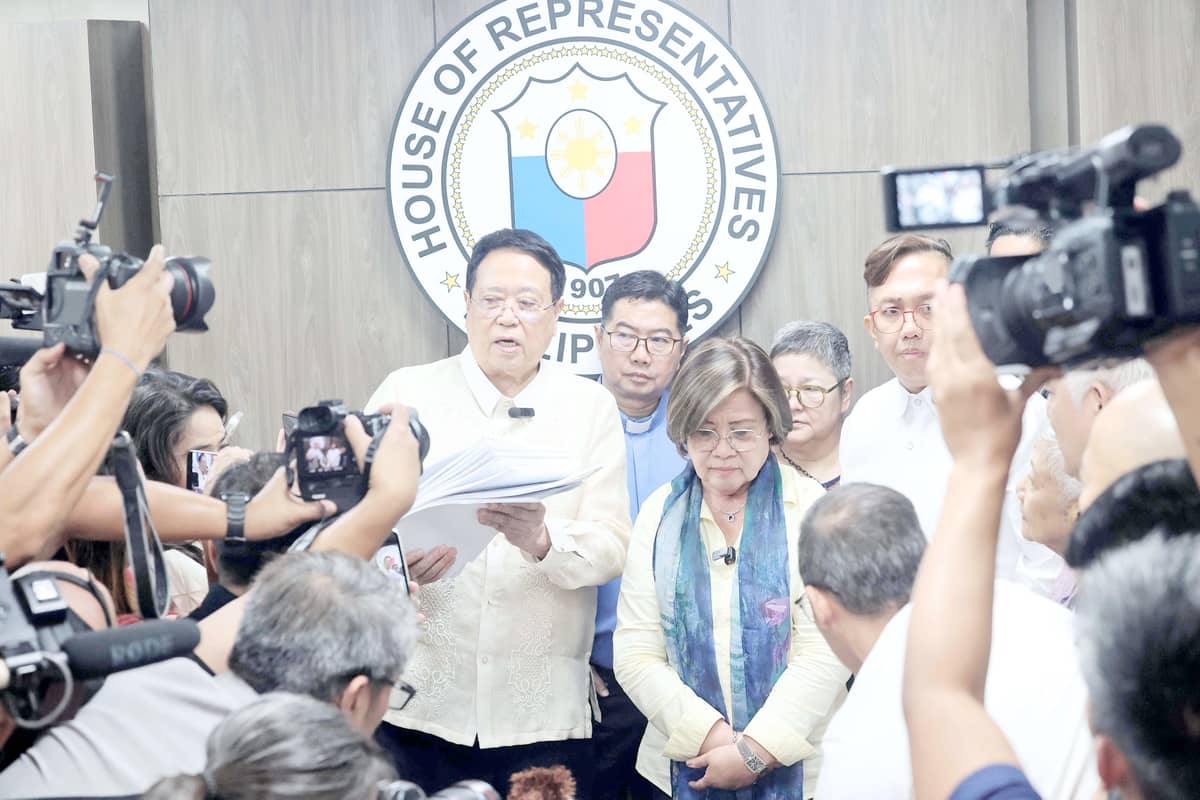
The impeachment complaint against Vice President Sara Duterte, endorsed by Akbayan Partylist Representative Perci Cendaña and filed by former Senator Leila de Lima, was received by House of Representatives Secretary General Reginald Velasco at the Office of the Secretary General inside the House of Representatives compound in Quezon City on Monday 2 December 2024. The delegation included representatives from civil society organizations, religious groups, sectoral representatives, and families of tokhang victims.
Read next
What's your take?
Google Preferred Sources
Get more Daily Tribune stories in your search results
Add Daily Tribune as a preferred source on Google Search.
Continue reading
Impeachment in the Philippines is a constitutional mechanism designed to remove high-ranking public officials who commit serious offenses. Rooted in the 1987 Constitution, it applies to the President, Vice President, Supreme Court Justices, members of constitutional commissions, and the Ombudsman.
Grounds for impeachment include culpable violation of the Constitution, treason, bribery, graft and corruption, other high crimes, or betrayal of public trust.
The country’s most notable impeachment proceedings began in 2000 against then-President Joseph Estrada. Accused of plunder and corruption, Estrada’s Senate trial was aborted after prosecutors walked out due to the court’s refusal to open an envelope believed to contain critical evidence.
This triggered massive protests known as EDSA II, leading to Estrada’s ouster and eventual arrest. Though tried and convicted of plunder in 2007, he was later pardoned.
In 2011, another historic impeachment occurred — this time involving Chief Justice Renato Corona. He was impeached by the House of Representatives for failing to disclose his Statement of Assets, Liabilities and Net Worth (SALN). The Senate impeachment court found him guilty in 2012, marking the first time a chief magistrate was removed through this process.
Other impeachment attempts, such as those against Presidents Gloria Macapagal-Arroyo and Rodrigo Duterte, never progressed past the House committee level due to political dominance in Congress. Impeachment, while a legal process, often reflects the prevailing political climate more than legal merits alone.
Though rare, impeachment is a powerful reminder of the constitutional check on public power. Yet in practice, it has often been colored by partisanship, making it both a tool of accountability and a potential weapon in political warfare. Its history reveals the tension between law, leadership, and loyalty in Philippine democracy.