Mothers have long been the most resourceful figures in the household, balancing care, sacrifice and ingenuity in ways…

As a first hello to Japan, it was a trip that went beyond expectations, starting out with the warm and sincere welcome…
Modernity and nature do not always have to compete

Men carrying rifles flooded stairwells as senators disappeared behind locked doors and whispered instructions.

Uniquely crafted dishes with a variety of flavors by Las Piñeros and Las Piñeras

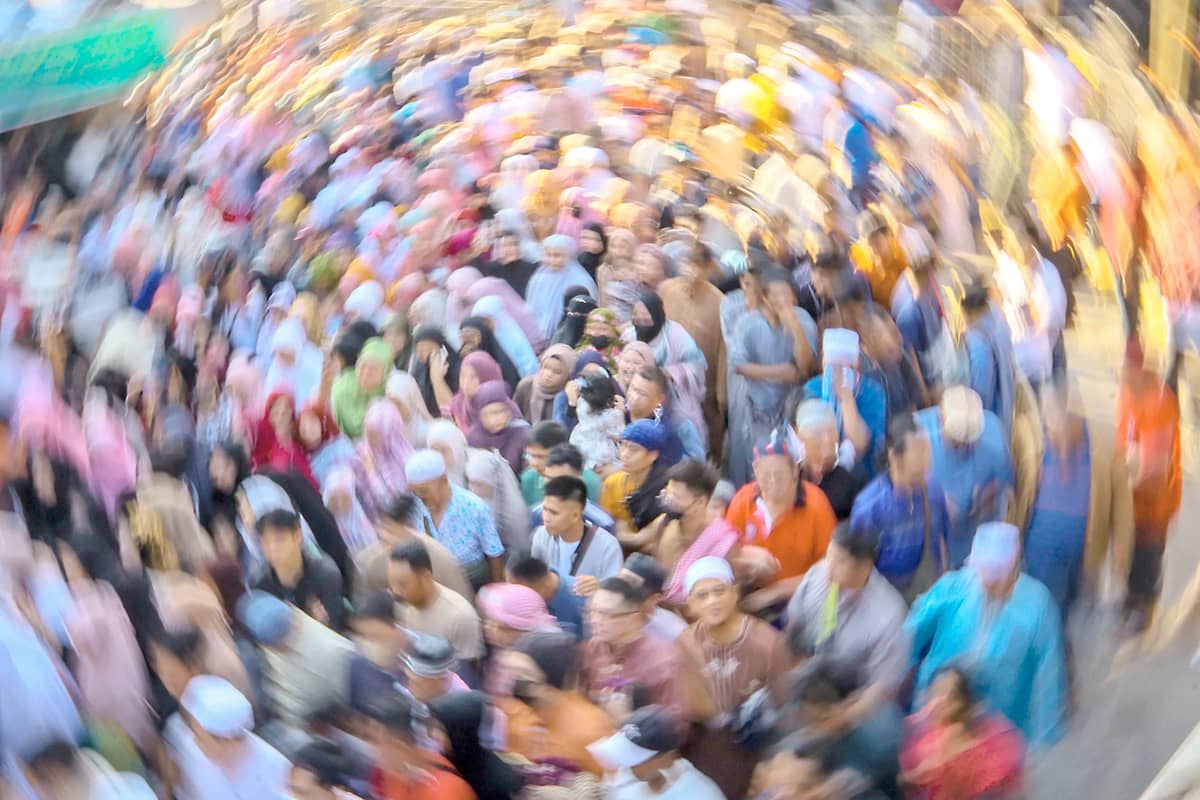
Vibrant Eid'l Fitr celebration at the Blue Mosque in Maharlika Village, Taguig City on 10 April, marking the end of their month-long fasting period with faithful communal prayer.
PHOTOGRAPHS BY KING RODRIGUEZ, DIANNE BACELONIA AND JOHN LOUIE ABRINA FOR THE DAILY TRIBUNE

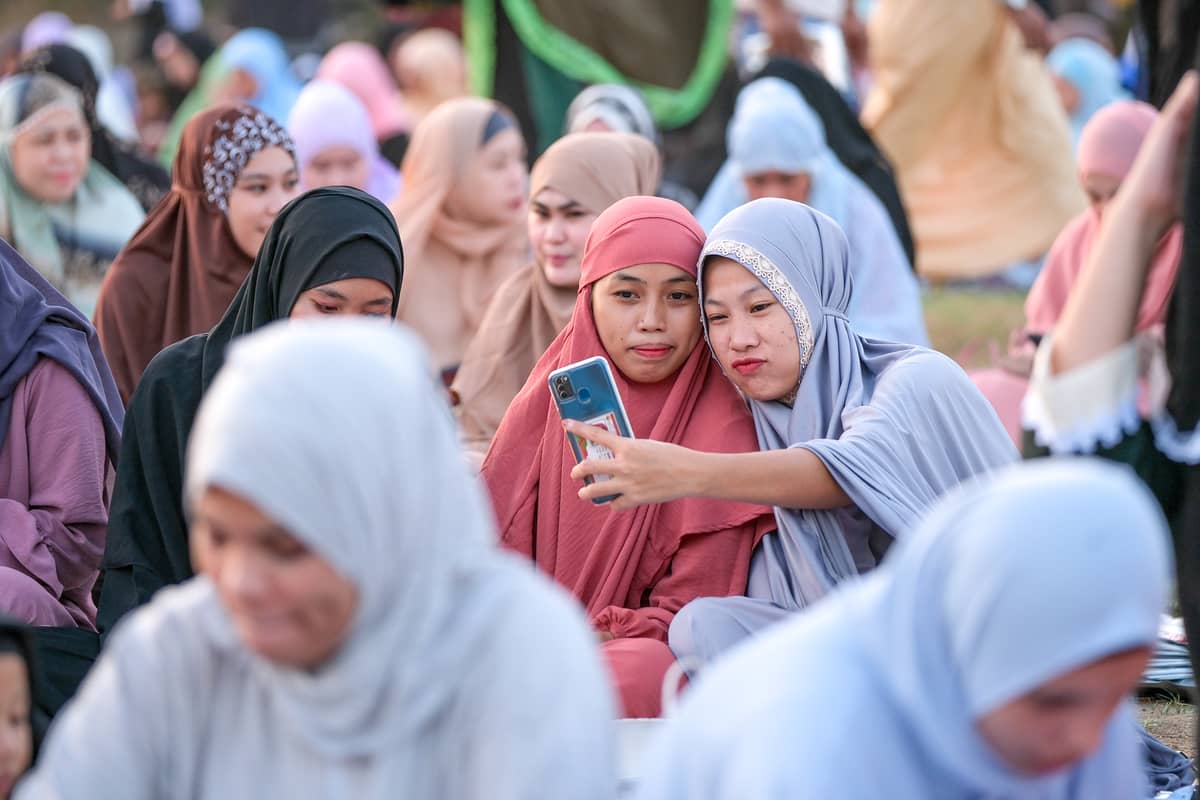
Eid’l Fitr spirit as Filipino Muslims unite in prayer.

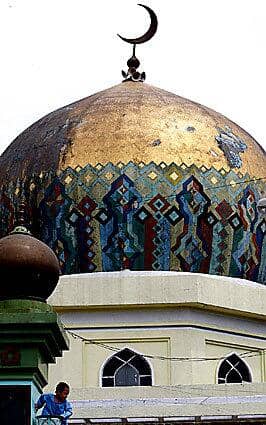
Manila Golden Mosque in Manila

Eid’l Fitr unites Muslims in different prayer sites, including the Quirino Grandstand, that hosted joyous celebration.
Read next
What's your take?
Google Preferred Sources
Get more Daily Tribune stories in your search results
Add Daily Tribune as a preferred source on Google Search.
Continue reading
Muslims all across the world demonstrate sacrifice by fasting for a reward in the afterlife.
In the Islamic faith, one of the five “pillars of Islam” is to practice fasting. Although, other religions, like Christianity, Confucianism, Hinduism, Judaism and Taoism, among others have practiced religious fasting for millennia, Muslims fast in honor of the Prophet Muhammad’s revelation of the Holy Quran.
The history of Islam dates back thousands of years. They worship Allah, the Arabic term for the one all-knowing God, and adhere to a monotheistic faith. They acknowledge that although humans have free choice, nothing can occur without Allah’s approval.
According to the Holy Quran, the Islamic holy month of fasting, or Ramadan, is the ninth (9th) lunar month in the Islamic calendar. It is a devotional practice in which one consciously abstains from all physical cravings for a predetermined period to develop self-control and spiritual discipline.
This means that from sunrise to sunset for one month each year, they must refrain from consuming food or liquids, not even water or candy. This act of fasting is designed to remind Muslims of, in layperson’s terms, the value of humility and appreciation.
Meanwhile, at the end of this holy month of fasting, Muslims worldwide celebrate Eid al-Fitr, a major religious celebration that signals the end of Ramadan.
Eid al-Fitr, or “feast of breaking the fast,” is observed with traditional foods that vary depending on cultural roots and family traditions. Before this celebration, they hold a community prayer at dawn on the first day of Eid al-Fitr. They continue to celebrate for three days. During Eid al-Fitr, the standard greeting is Eid Mubarak, which means Blessed Eid.
Last Wednesday, 10 April, our Muslim brethren gathered in union as they held the community prayer to celebrate Eid. In Manila alone, several prayer sites, including the Quirino Grandstand, were used to commemorate this auspicious occasion. Muslims worshipped together, dressed in their best clothing, with some hugging and sharing pleasant moments following the prayer service.
The value of humility and appreciation on this occasion will undoubtedly demonstrate that whatever is received — big or small — should constantly be thankful and humble enough to acknowledge God’s providence and sovereignty. God gets no benefit from our thanks; instead, we do, in the form of humility and appreciation.
Sacrificing for faith, whatever the religion, is essential because hope, love, and peace cannot bear the burden of the world’s suffering.
Happy Eid Mubarak to all our Muslim brethren!