
PICC, artworks are National Treasures


PHOTOGRAPHS COURTESY OF PICC artworks are protected for their ‘outstanding historical, cultural, artistic and/or scientific value which is significant and important to the country and to the nation.’
The PICC Complex and its permanently installed works of art as National Cultural Treasure was conducted on 27 September. The unveiling of the National Cultural Treasure marker and the signing of the certificate of turnover and acceptance were held during the ceremony, which was timed to coincide with the PICC's anniversary month.
As an NCT, the PICC and these works of art are protected for their "outstanding historical, cultural, artistic and/or scientific value which is significant and important to the country and to the nation."
They join other prestigious National Cultural Treasures, which include esteemed paintings by Félix Resurrección Hidalgo y Padilla, Carlos "Botong" Francisco, and Juan Luna; architectural marvels like the San Sebastian Church, the Metropolitan Theater; a sculpture by National Hero Jose Rizal, and archeological artifacts to name a few.
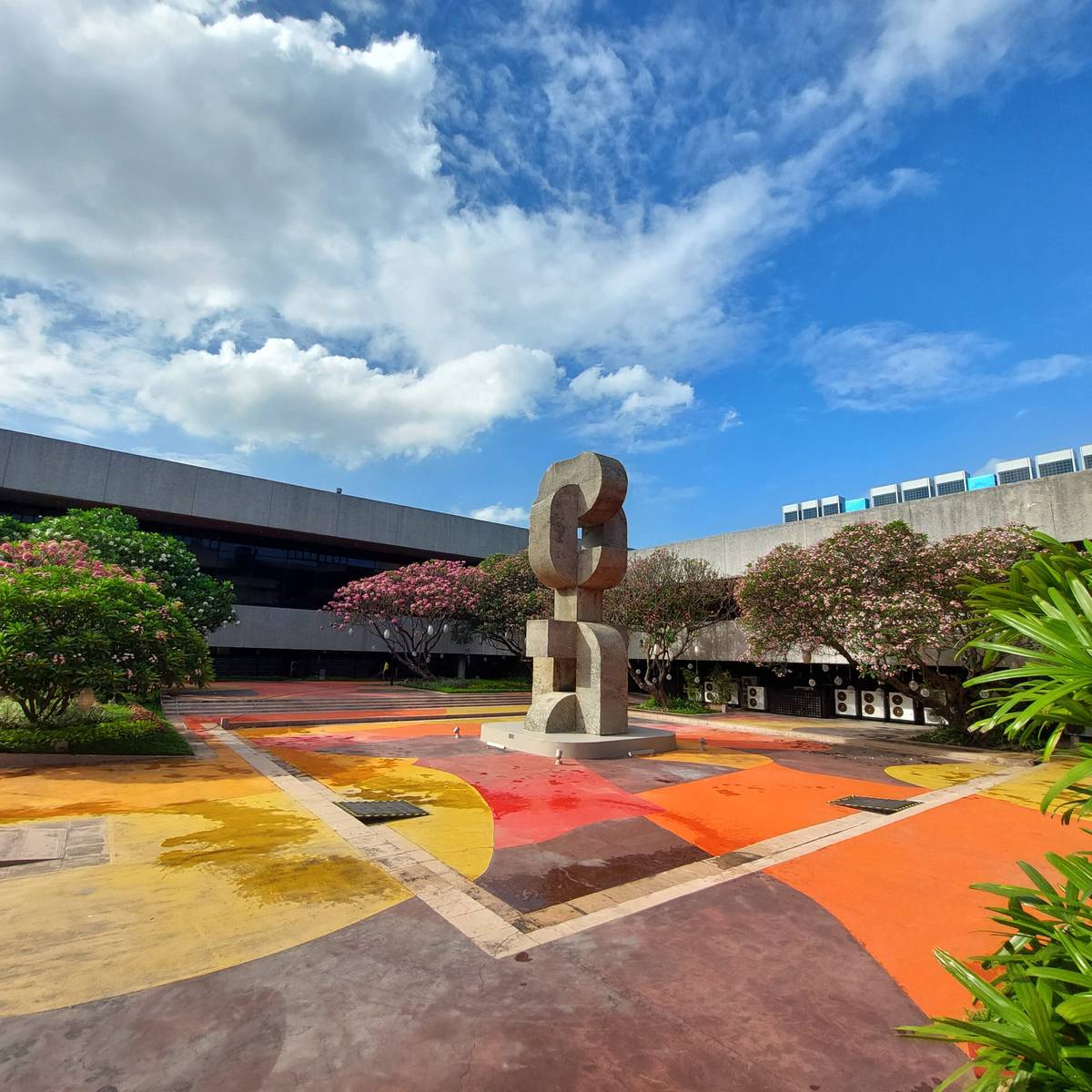
PICC's iconic architecture and valuable art collection have been recognized as Cultural Properties of the Philippines.
Through RA 10066 or the National Heritage Act of 2009, under which National Cultural Treasures Declarations is authorized, the PICC's iconic architecture and vauable art collection have been recognized as Cultural Properties of the Philippines.
Important properties
On 27 June 2019, a panel of experts was convened by the National Museum Director Jeremy R. Barns, to evaluate and decide which of certain cultural properties should be designated as National Cultural Treasures and important Cultural Properties.
This panel resolved that the PICC Complex, National Artist Leandro Locsin's magnum opus, together with the concrete sculpture "Anito" in the Courtyard and the steel sculpture "Grid" at the Plenary Hall and Reception Hall Lobby of National Artist Arturo R. Luz; the painting "Pagdiriwang" by National Artist Jose T. Joya at the Delegation Upper Lobby; and the carved-wooden furniture by National Artist Napoleon V. Abueva distributed in lobbies and hallways, have qualified for the status of National Cultural Treasure.