





Unseen storms: Rethinking disaster resilience in the age of climate change
Droughts, saltwater intrusion, extreme heat and rising seas are quietly threatening our food security, health systems and water access.
Tip: add a year in your query (e.g. Eala 2022) or use the year filter.
18,255 results for “slow-onset climate disasters”
Droughts, saltwater intrusion, extreme heat and rising seas are quietly threatening our food security, health systems and water access.

Nobody seems to mind the wait, though. The consensus is that the slower start pays off once the emotional stakes actually arrive.
Bank lending continued to expand in July, with loans from universal and commercial banks growing at a faster pace, even as money supply growth slowed slightly…
Quezon City earns global recognition for climate and disaster preparedness with its award-winning IRISE UP platform, honored at the Planet Aqua City Awards in…
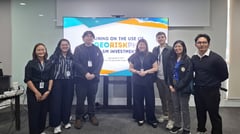
SM Investments became the first Philippine conglomerate to complete GeoRiskPH training with DOST-Phivolcs, strengthening disaster risk management, climate…

‘Trump’s climate agenda is to leave people unsafe and unprepared while oil companies pocket record profits.’


‘Ang ating El Niño Southern Oscillation alert is at La Niña alert and the models combined with expert judgments suggest a 66 percent chance of La Niña forming…

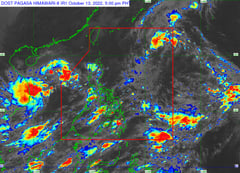
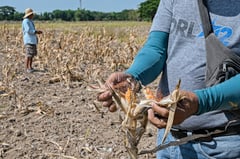
In the Philippines, this phenomenon results in droughts, heat waves, heavy rainfall, and other extreme weather conditions

Barangays ‘first line of defense’ in disaster management, climate resilience

13 QC barangays, institutions in climate action, disaster resiliency practices bag awards
Millions of children affected by climate disasters – UNICEF
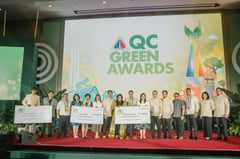
QC names best barangays, institutions in climate action, disaster resiliency practices
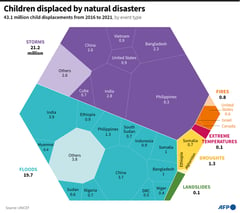
Tens of millions of children uprooted by climate disasters — UNICEF
Climate disasters led to 43.1-M child displacements from 2016-2021 — UNICEF

Climate Change Commission, UP Resilience Institute partner on disaster risk assessments

A 2°C temperature increase would exacerbate diminishing Arctic Sea ice, rising sea levels, and extreme weather/climate events and second-order impacts.