
Filipino fantasy is bigger than monsters
For years, Filipino readers have grown up following wizards, demigods and mythical heroes from distant lands. While those stories sparked imaginations, they often left local folklore in the background, with Philippine myths rarely enjoying the same global recognition.
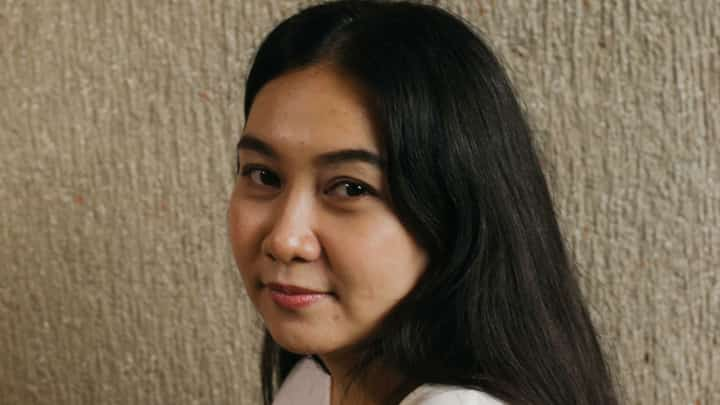
Author Caris Avendaño Cruz hopes to change that.
As she joins fellow writers at the Singapore Writers Festival, Cruz sees Filipino fantasy entering a new chapter — one where local myths, legends and heroes are no longer treated as supporting characters to Western narratives but as stories worthy of taking center stage.
“A chunk of it, I’ll be honest, is jealousy for our stories,” Cruz told Daily Tribune. “It’s been frustrating to see Filipino representation as background characters, comic relief, or at best, wingmen. We’re not someone else’s sidekicks. We’re our own champions with our own quests, and we deserve the spotlight, too.”
Writing fantasy rooted in Philippine folklore is about giving Filipino children stories in which they can see themselves as the heroes, she added.
“I don’t want Filipino kids to think that we’re only second-best. I’m grateful to see the works that put us front and center, reminding us that we shine bright, like the stars and the sun.”
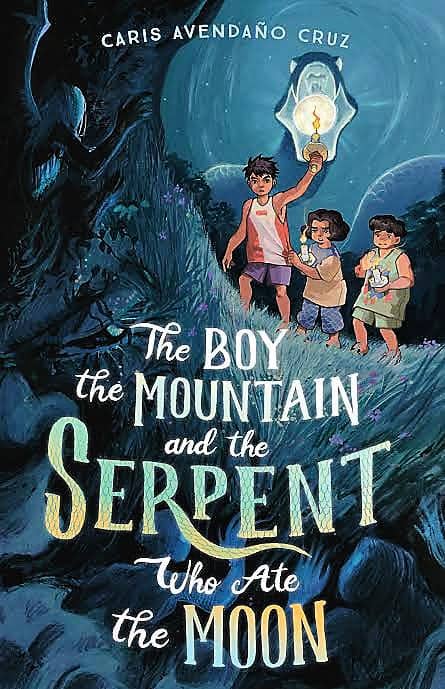
Rather than simply retelling traditional folklore, Cruz reimagines familiar myths through settings and characters that today’s readers can relate to. She believes the stories must evolve alongside the children reading them.
“Our love for old literature will never wane, but these stories need to be dusted over and given a fresh new paint so that young readers will find themselves in the pages,” she said.
That creative freedom, however, comes with responsibility.
“There is always that fear of losing the original lore in the process, and for that I apologize for willfully doing so,” Cruz admitted. “But I always say that my books aren’t source materials, just doors — a place where young readers could kickstart their own journey to discovering our folklore.”
Many of those stories begin much closer to home than readers might expect.
Growing up in Bulacan, Cruz found inspiration in the everyday scenes around her—from familiar taho and balutvendors to rice fields, flooded swamps during the Habagat season and tightly knit neighborhoods.
“At home. Always,” she said when asked where her ideas come from. “I’d like to look at my stories as old, sepia-colored photo albums... I start here, where I am, and celebrate the place that nourished me, so that I can honor those who know me best.”
Her stories also reflect what she believes Filipino folklore reveals about the country’s identity.
“That we are heroes, tremendously brave and magnanimous,” she said. “There is always magic, mischief and malice—many times, tragedy. But our power is the ability to hold each other close and look past the darkness, knowing there is light beyond the night.”
While children remain her primary audience, Cruz hopes adults rediscover the sense of wonder they may have left behind.
“Stories, especially children’s, are the antidote to a dull and joyless heart,” she said. “It’s nice to, once in a while, remember the children we were, liberate ourselves from our daily struggles, and bask in the joy of imagination like we did before.”
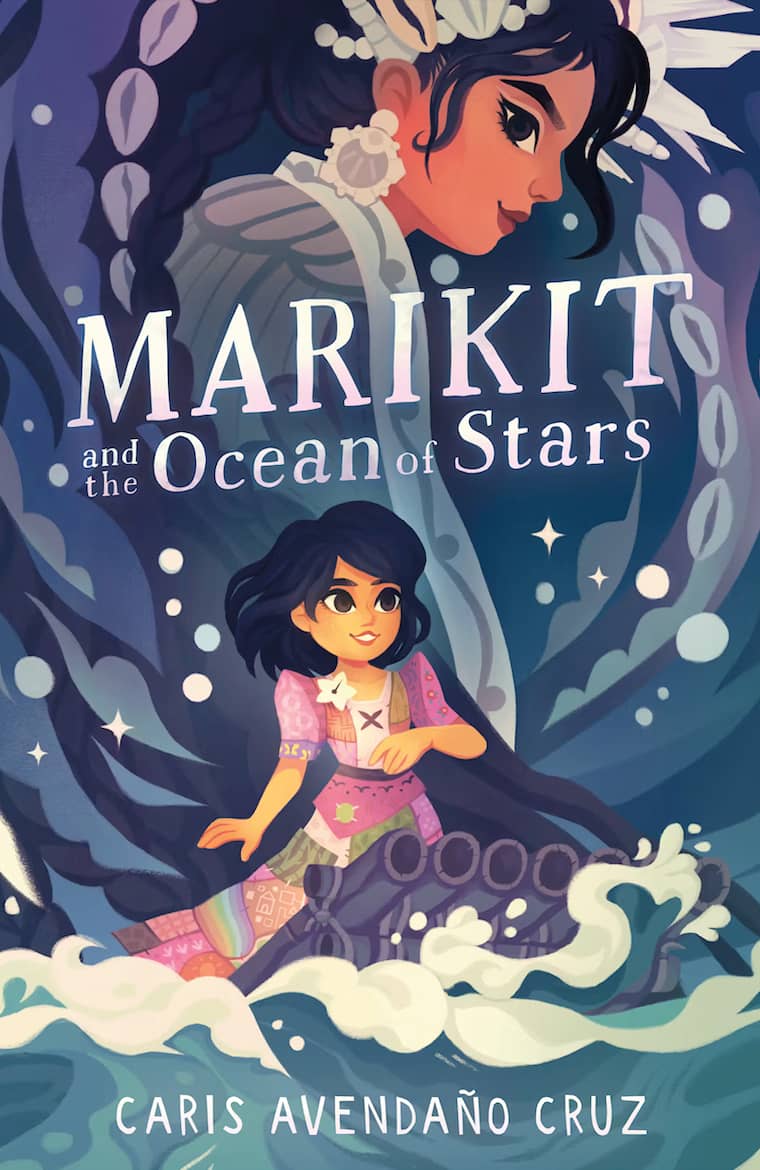
The growing visibility of Filipino fantasy, she believes, is only the beginning. While recent successes deserve celebration, Cruz noted that many writers have quietly built the genre for years without widespread recognition.
“There are many breakthroughs in tradpub and mainstream media recently—and we celebrate them,” she said. “But there are writers and imprints doing the work in the quiet for a long time now. They deserve the spotlight.”
Looking ahead, she hopes even more stories emerge from outside the country’s dominant literary centers, particularly from the Visayas and Mindanao, where countless regional myths remain largely unexplored.
“There will always be space for a new Tagalog pantheon-inspired book,” Cruz said. “But what I’d love to see more are stories coming from non-Tagalog regions, so we could learn from them, too.”
Representing the Philippines at the Singapore Writers Festival, Cruz hopes international readers discover not just her own work but the richness of Philippine storytelling as a whole.
“Filipinos are amazing storytellers,” she said. “And there are so many stories to tell. Seven thousand six hundred forty-one islands all dazzling us with their region-specific lore? I hope everyone makes space on their shelves because there’s always a Filipino-authored book to love.”