
Singapore prioritize regional single market
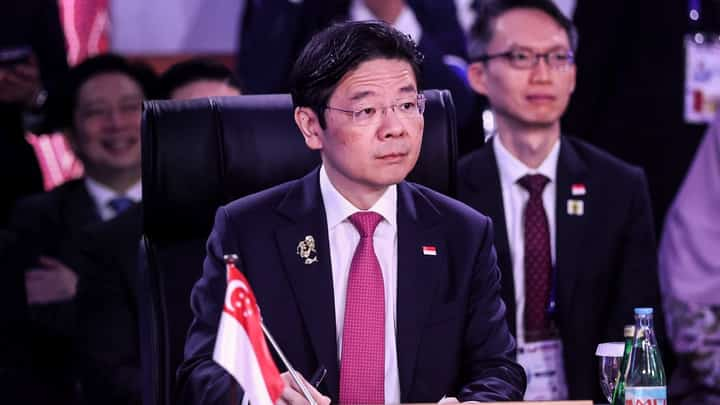
PRIME Minister Lawrence Wong is set to take the lead as Singapore officially received the ASEAN chairmanship gavel from the Philippines on Sunday, 17 November 2026 and helm the regional bloc as the ASEAN marks its 60th anniversary in 2027.
Photograph courtesy of Lawrence Wong/fb
Singapore will prioritize deeper economic integration and expanded international partnerships when it assumes the Association of Southeast Asian Nations (ASEAN) chairship in 2027, with plans to strengthen cross-border trade, investment, finance, digital connectivity and energy cooperation.
Singapore Prime Minister Lawrence Wong outlined the agenda during the ceremonial turnover of the ASEAN chairship from the Philippines on 17 November, saying the country would lead the regional bloc under the theme “Deeper Integration, Wider Partnerships.”
Becoming a more integrated regional market
Wong said ASEAN must take further steps toward becoming a more integrated regional market, allowing businesses to operate more seamlessly across borders while creating greater opportunities for people to work, invest and prosper.
“We must take further steps towards a single ASEAN market, where businesses can set up and operate more seamlessly across borders, and where our people can enjoy more opportunities to work, invest, and prosper,” Wong said.
He said stronger links in finance, digital technologies and energy would help ASEAN realize its economic potential, particularly as geopolitical tensions and global economic fragmentation pose challenges to regional cooperation.
Need to maintain ASEAN’s openness
Wong also emphasized the need to maintain ASEAN’s openness and strengthen ties with external partners despite growing divisions in the international community.
Singapore plans to deepen relations with the United States, Canada and the European Union, which will mark the 50th anniversary of their respective partnerships with ASEAN in 2027. The bloc will also commemorate the 30th anniversary of ASEAN Plus Three.
Wong cited recent regional milestones, including the signing of the Digital Economy Framework Agreement and progress toward the early entry into force of the upgraded ASEAN Trade in Goods Agreement and the ASEAN-China Free Trade Agreement 3.0.
He also identified artificial intelligence and the transition to cleaner energy as opportunities ASEAN must pursue to strengthen its competitiveness and resilience.
Outgoing chair President Ferdinand Marcos Jr. said the Philippines sought to advance the theme “Navigating Our Future, Together” by promoting regional leadership, cohesion and unity throughout its chairship.
“This year showed us that changing course when it is asked of us is not the same as losing direction,” Marcos said, adding that ASEAN continued to strengthen peace and stability, bring economies closer and expand protections and opportunities for its people despite shifting conditions.
He stressed that the region’s challenges are increasingly interconnected, noting that “energy security is also economic security” and that climate change continues to test the resilience of communities across national borders.