
U.S. Elections, Iran war, and the global economy
In my view, the economic strain is not simply the result of the United States going to war. Rather, it stems from the fact that the United States and Israel have not won the war and achieved their objective of regime change in Iran.
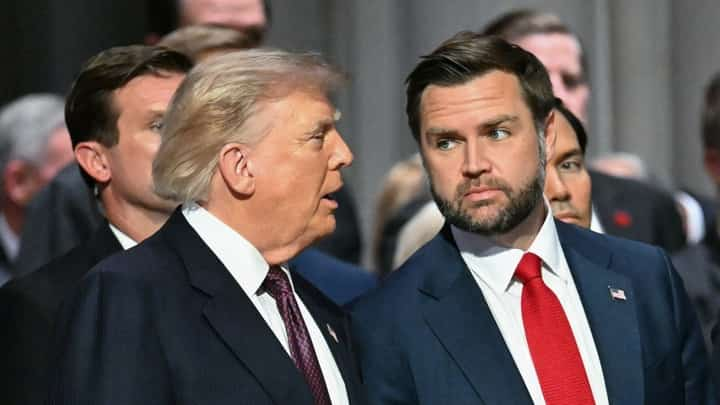
The recently concluded 2026 US elections delivered a major victory to the Democratic Party and a significant setback for President Donald Trump and the Republicans. By winning control of both the Senate and the House of Representatives, the Democrats are now positioned to influence substantial changes in both domestic and foreign policy.
In a post on X, Vice President JD Vance stated: “The reason we lost is the war. The President himself said so last night.”
Several analysts have identified other factors that caused the Republican debacle. What comes out as the major factor is the high cost of living — inflation, high prices. Another is the perception of the country’s direction.
The war on Iran has contributed significantly to the high cost of living. The conflict has disrupted oil markets, trade routes, investment flows, tourism and employment. Its impact has been felt not only in the United States but across the globe.
Whether the war itself — which Secretary of State Marco Rubio described as necessary “for the security of our country” — was justified is a separate subject. The issue is how it has affected economic stability worldwide.
In my view, the economic strain is not simply the result of the United States going to war. Rather, it stems from the fact that the United States and Israel have not won the war and achieved their objective of regime change in Iran.
Though several top leaders of Iran have been neutralized and many key facilities destroyed, the Iranian government is still standing and fighting back. The ongoing conflict has in turn severely affected the global economy and hurt consumers all over the world.
Last June, President Trump posted that “the war has diminished Iran! It doesn’t any longer have an Air Force, a Navy, antiaircraft equipment, radar, or practically anything else…..”
Though Iran’s military capabilities have been significantly degraded, they definitely have not been eliminated.
History offers a clear lesson: wars achieve their greatest political and economic effects when they are ended decisively and quickly. As General Douglas MacArthur famously stated: “In war, there is no substitute for victory.”
Similarly, General Dwight Eisenhower, before the Allied paratroopers’ assault on D-Day ordered: “full victory, nothing else.” The United States and Israel have not accomplished this against Iran.
Had the United States and Israel secured an early victory and installed a cooperative government in Tehran, oil markets might have stabilized sooner, reducing pressure on the global economy.
An example of how a quick military win prevents a major disruption in the economy is the case of the US strike in Venezuela in early January. The swift capture of President Nicolás Maduro and his wife, and the accession of a regime cooperative to the US, prevented any real political and economic problems from occurring.
What happens next?
With the Republicans no longer in control of Congress, President Trump may find it politically more difficult to sustain military operations against Iran. Meanwhile, in Israel, opposition leader Gadi Eisenkot has been tasked with forming a new government. He supports strikes on Iran’s nuclear program but not a return to all-out war, favoring economic pressure instead.
With these developments, the prospect for a negotiated settlement may be improving. If diplomacy ultimately succeeds, the global economy may finally gain the stability we all have been waiting for.