
NIA, Cagayan farmers approve new irrigation schedule
The National Irrigation Administration–Magapit Pump Irrigation System (NIA-MPIS) and local irrigators’ associations in Cagayan have approved a proposed change to the system’s water-delivery sequence for the 2027 dry cropping season, aiming to improve irrigation access across its service area.
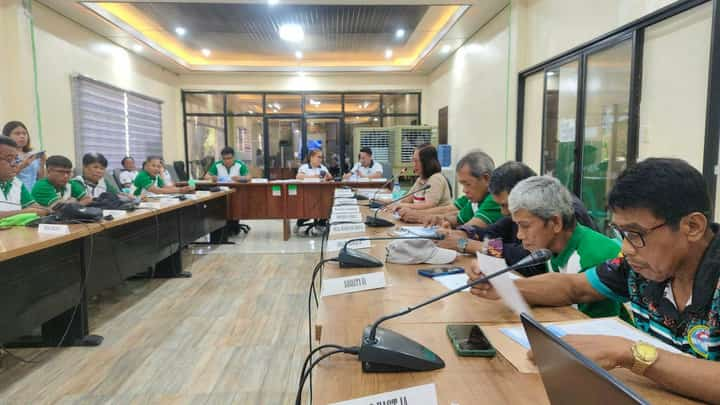
The proposal was discussed during NIA-MPIS’s monthly System Management Committee meeting on 5 November 2026, two days after the season began. NIA-MPIS Head Engr. Chantilly V. Rubia chaired the meeting, attended by the MISFIA Federation president, 17 irrigators’ association presidents, municipal agriculturists and agency personnel.
Based on field inspections and canal conditions, Rubia recommended giving Rotational Schedule No. 2 priority over Schedule No. 1 on the first day of water distribution. Schedule No. 2 serves a wider area and requires water to travel farther to reach terminal canal sections, making early delivery important for more efficient and equitable distribution. The 17 association presidents present unanimously approved the proposal.
MISFIA Federation President Victor C. Agbisit reported that member associations had completed canal-clearing work and were ready for the season. Municipal agriculture officers also shared updates on their initiatives, including plans to distribute agricultural inputs to farmers early. NIA-MPIS had earlier written to municipal mayors to coordinate support for the cropping season.
Agency units also presented operational updates. The Engineering Unit reported ongoing canal-concreting and drainage-desilting work, as well as solar-powered pump installations. The Operations and Maintenance Unit discussed the proposed delivery sequence, while the Institutional Development Unit outlined farmer interviews for Farm Service Support Program beneficiaries and a review of Irrigation Management Transfer contract provisions.
NIA-MPIS said it would continue coordinating with irrigators’ associations, local governments and other stakeholders to support timely and reliable water delivery during the dry cropping season.