
Balisacan: BSP inflation fight must go with growth push
DEPDev Secretary Arsenio Balisacan said higher interest rates resulting from the BSP’s efforts to rein in inflation should help restore market confidence, but stressed that fiscal policy must also support economic growth.
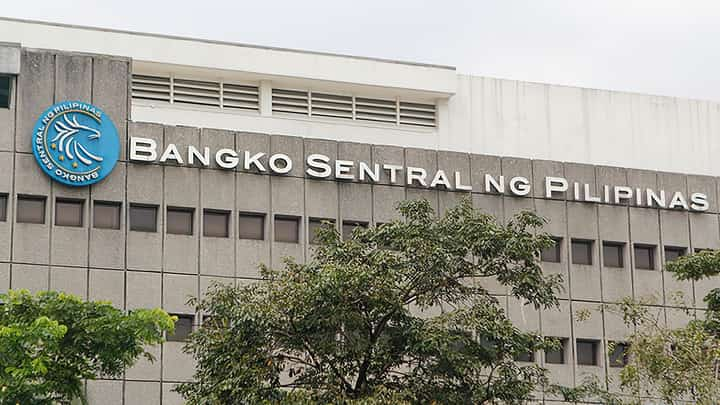
TO address soaring inflation and anchor inflation expectations, the Bangko Sentral ng Pilipinas implemented four consecutive policy rate hikes, bringing the total increase to 125 basis points and raising the benchmark interest rate to 5.50 percent. The fourth consecutive rate hike concluded with a larger-than-expected 50-basis-point increase in October 2026, bringing cumulative rate increases for the year to 125 basis points and the key policy rate to 5.50 percent.
Photograph courtesy of BSP
The Bangko Sentral ng Pilipinas (BSP)’s fight against rapidly rising inflation must complement fiscal policy efforts to restore economic growth, Economy, Planning and Development Secretary Arsenio Balisacan said.
In a Monday morning press conference following the release of the country’s third-quarter Gross Domestic Product (GDP) figures, Balisacan said consumption — which accounts for roughly 73 percent of Philippine GDP — slumped further to 2.4 percent from 2.9 percent in the previous quarter, highlighting the loss of purchasing power as higher prices stemming from the Middle East conflict weigh on households.
“Inflation is still high, and I think even for November, inflation will continue to be challenged because of the lag effects of the previous increases in prices of goods and services coming from the fuel price increase,” he said.
“Typically, changes in interest rates have longer effects. They have time lags. So any change last month would impact on the economy, not only today, but months ahead,” Balisacan added.
Persistent price pressures
Inflation spiked to a new three-year high of 7.8 percent in October, driven by persistent price pressures stemming from the broader effects of the Gulf oil supply shock.
The central bank has implemented four consecutive policy rate hikes since March 2026, totaling 125 basis points, to bring inflation back toward its annual 3 percent target, which it expects to be exceeded until 2028.
Fiscal policy must support economic growth
Balisacan said higher interest rates resulting from the BSP’s efforts to rein in inflation should help restore market confidence, but stressed that fiscal policy must also support economic growth.
“With both fiscal and monetary tools being deployed to get those inflation expectations anchored on the targets, we expect those to change the sentiments of both consumers and business,” he said.
“I should also say that while we are seeing if the BSP actually succeeds in anchoring the inflation expectation back to the target, then that actually will impact positively on consumption and investment.”
BSP rate hikes typically come at the expense of economic growth, as higher borrowing costs can discourage consumption and investment. BSP Governor Eli Remolona Jr. has acknowledged that monetary policy decisions must go hand in hand with fiscal policy to effectively restore the overall health of the economy.
“Fiscal policy should focus on growth. It should stimulate growth and then monetary policy should focus on inflation. So that’s what we’re trying to do,” the BSP chief said in May.