
Keeping Oriental Mindoro’s heritage alive: Gawad Pamana honors three arts and culture champions
The 2026 Gawad Pamana sa Sining at Kultura honors Hanunuo Mangyan educator Cyrus Aynungan, visual artist and costume designer Michael Jayzon de la Cruz, and educator and cultural worker Rhodora Barojabo for their contributions to culture and the arts in Oriental Mindoro.

A missed evening bus and a night spent at the public market made for an anxious journey to the awards ceremony. For Hanunuo Mangyan educator Cyrus Aynungan from the sitio of Bait, Panaytayan, in Mansalay, Oriental Mindoro, the trip proved worthwhile.
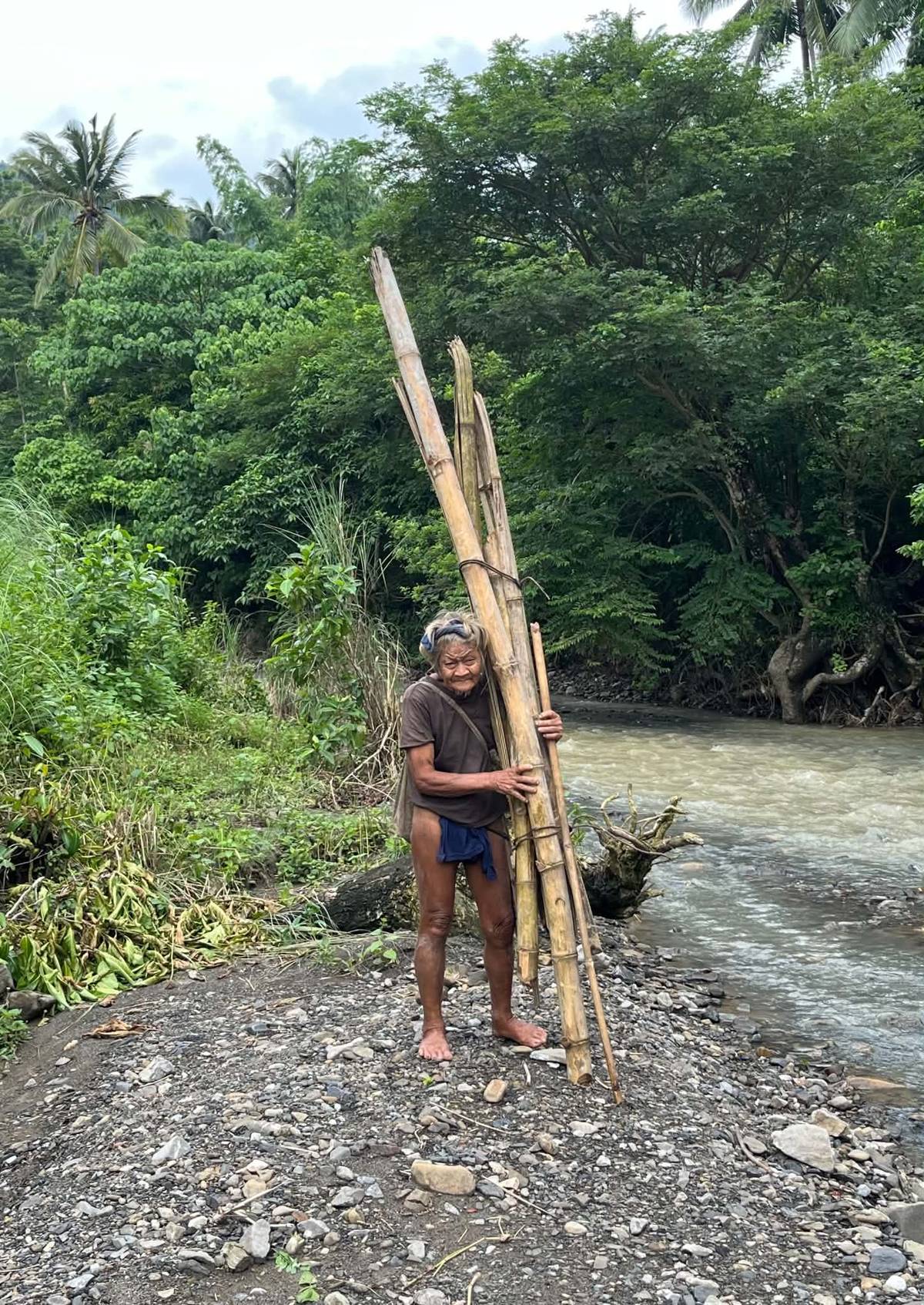
A MANGYAN elder in Baitan, Mansalay.
Aynungan is one of three recipients of the 2026 Gawad Pamana sa Sining at Kultura (GPSK), bestowed by the provincial government on individuals who have made significant contributions to culture and the arts in Oriental Mindoro. The province is home to the Mangyan ethnolinguistic groups, Mount Halcon, the endemic tamaraw and Naujan Lake.
From an early age, Aynungan was immersed in his community’s rituals, everyday objects, and communal activities. His grandfather, who helped safeguard these traditions, was a strong influence on him.
At the Mangyan Education Center in remote sitio of Bait, Aynungan helps sustain Hanunuo Mangyan culture by teaching young people about their heritage and encouraging them to carry it forward.
Also a visual artist whose works center on Hanunuo Mangyan culture, he hopes his students will continue safeguarding their community’s tangible and intangible heritage.
Aynungan received the award under the Tangluyan (Mangyan) category at the Gabi ng Parangal held at Balai Mindoro in the provincial capital, Calapan.
The other recipients, chosen through a rigorous selection process, are visual artist and award-winning costume designer Michael Jayzon de la Cruz of Victoria and educator and cultural worker Rhodora Barojabo of Calapan. Both were honored under the Hiraya (non-Mangyan) category.
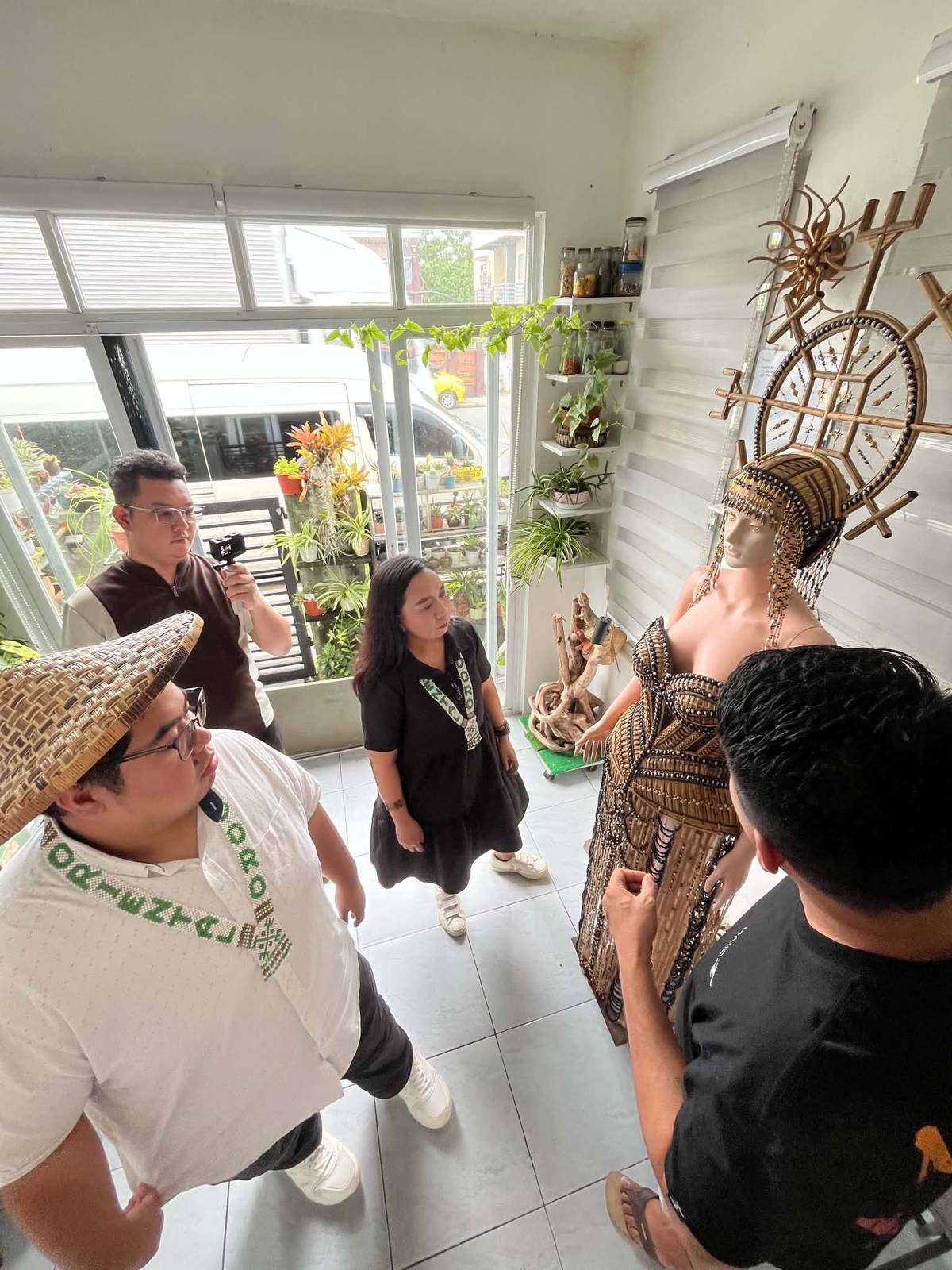
CHECKING a work by De La Cruz.
Costume and conservation
De la Cruz, a finalist in last year’s search, won the Best in National Costume Award at the Binibining Pilipinas pageant in 2024 and again in 2026.
Resourceful from a young age, he found ways to make ends meet and eventually earned a degree in education.
A self-taught visual artist, he works in oil, acrylic, and watercolor. His designs draw on Mindoreño cultural and natural symbols and motifs to promote the province’s heritage.
For Binibining Pilipinas 2026, he created a tamaraw-inspired costume for Ain Niqyla Abad, the representative of San Jose, Occidental Mindoro. He shared the award with four other winners from Cavite, Bicol and Iloilo.
The costume paid tribute to Kalibasib, the last captive-bred tamaraw of Occidental Mindoro. De la Cruz described its creation as an ecological and cultural statement.
Through the work, he said, he “connected fashion with heritage and conservation, ensuring that the story of this critically endangered species reached a national audience.”
Teaching through dance
Completing this year’s roster is Barojabo, a longtime educator at Oriental Mindoro National High School, founder of a local dance group and co-founder of the school’s Special Program in the Arts.
Her major works include “Hayuma,” a dance based on the movements of fishermen repairing their nets, and “Jota Calapeña,” which celebrates the women of Calapan.
Barojabo received the Geny Lopez Bayaning Gurong Pilipino award in 2009. She was also named one of the Natatanging Mamamayang Mindoreño sa Larangan ng Sining at Kultura during the province’s 75th founding anniversary last year.
As a choreographer, she has taught dance to many students in Oriental Mindoro, including those with visual and hearing impairments.
She has also researched and written about the province’s folk dances, compiling her work in a book.
The provincial government, led by Governor Bonz Dolor, hailed the three awardees for promoting culture and the arts and inspiring others to do the same within the province and beyond.
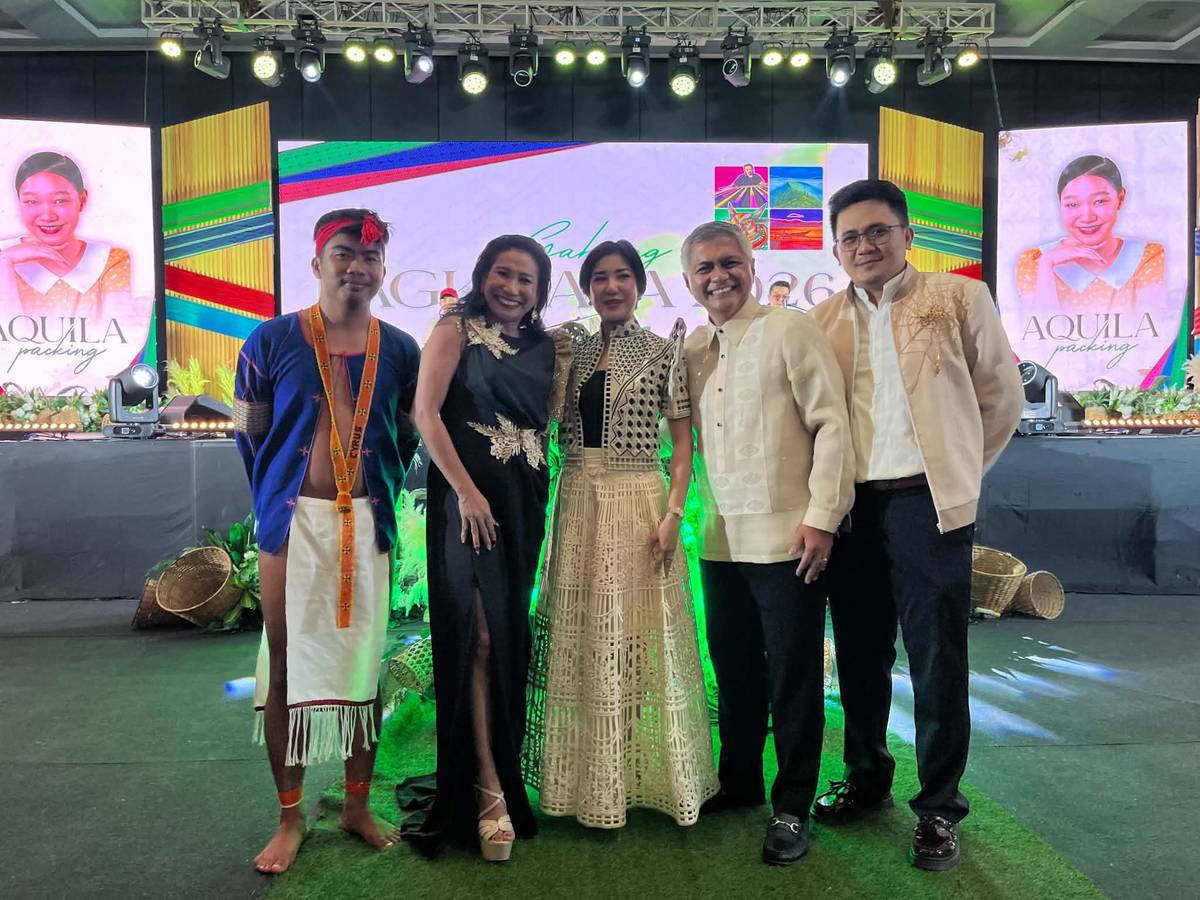
THE awardees with Governor Dolor and wife, Hiyas.
At the same event, the provincial government also recognized outstanding tourism stakeholders through the Local Tourism Stakeholders Excellence Award.
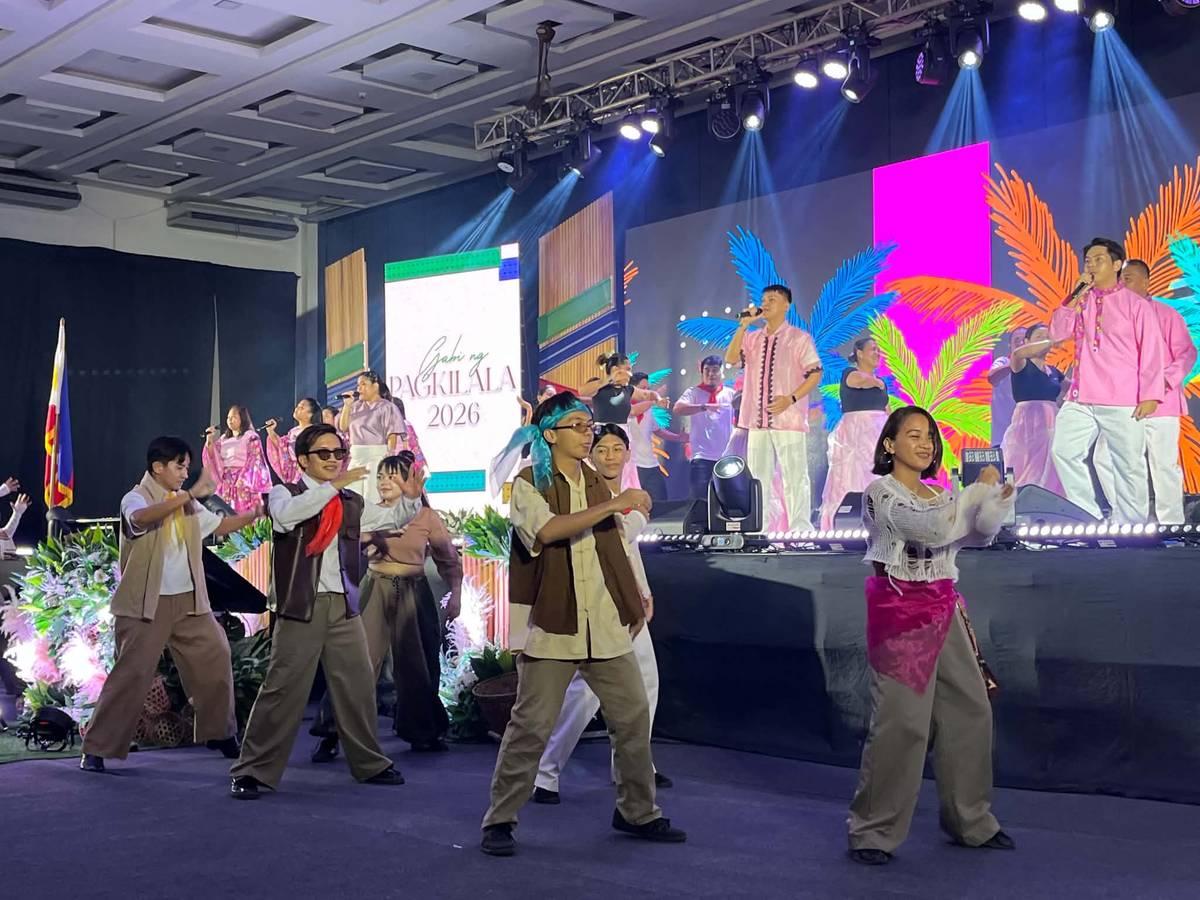
PERFORMERS at the awards night.