
Aeta tribe fears tech hub uprooting
The BCDA allegedly offered P30 per square meter for the land, which Muñoz said all affected residents rejected.
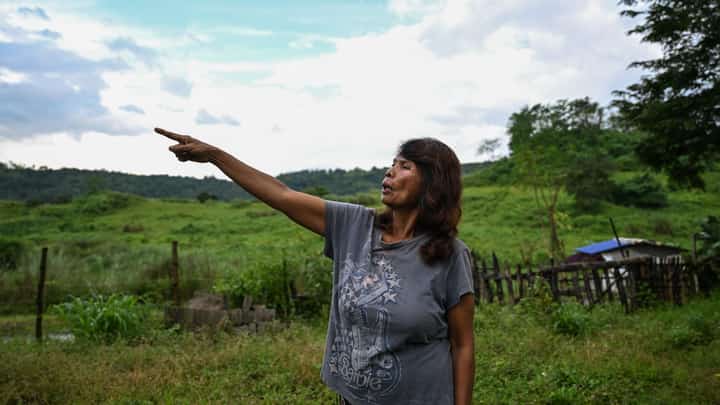
An Aeta tribe faces possible displacement as a US-led technology initiative takes shape in New Clark City, with its leaders saying they have yet to receive clear information about how much of their ancestral land could be affected.
Petronila Muñoz, chieftain of the Aeta Hungey tribe, said members received a letter from the Bases Conversion and Development Authority (BCDA) in July warning that the project “could affect your occupied lands.”
“There’s still no clarity,” Muñoz told Agence France-Presse (afp) at the tribe’s traditional meeting hall. “What will happen to us? That’s our biggest question.”
The Philippines joined Pax Silica, a US-led initiative to strengthen supply chains for semiconductors and rare earth elements and reduce participating countries’ dependence on China, in April.
The government has designated 1,620 hectares in New Clark City for a manufacturing hub intended to produce high-end components for artificial intelligence data centers.
It estimates the initiative could attract up to $70 billion in investments and create about 190,000 jobs.
No tenants have been confirmed and the project has a long timeline. For about 1,000 Aetas, however, concerns over displacement have already begun.
Deadline
Munoz said BCDA employees told tribal members to leave by December and relocate about 16 kilometers away. She said the agency has not provided a master plan showing which parts of their ancestral domain would be affected.
The BCDA allegedly offered P30 per square meter for the land, which Munoz said all affected residents rejected.
“Our lives, our livelihood and our culture are tied to this ancestral land,” she said. “Land is more important. Money runs out.”
The BCDA declined to address specific questions about the Aetas’ situation and rejected a request for the site’s official boundary map and geospatial data, saying the information was being withheld until official action was finalized or published.
At a Senate hearing last month, BCDA president Joshua Bingcang said the Aetas were living on government land. Like many Indigenous groups in the Philippines, they hold no land title.
The proposed hub has also raised concerns over its potential demand for water and electricity. The US State Department said environmental, water, energy and community-impact studies would inform the project’s design.
“Before any major development happens, we expect rigorous stakeholder impact assessments will take place,” a US State Department spokesperson told AFP.
Bingcang said investors would be required to build their own power and water systems.
Botched job
Political economist Calixto Chikiamco called Pax Silica a “historic opportunity” for the Philippines to move beyond its traditional semiconductor testing and packaging industries.
“We have to open up to foreign investment so that technology transfer (to the Philippines) will happen,” he said.
But Chikiamco said the government was doing “a terrible job” explaining the initiative’s benefits and tradeoffs.
Supply-chain risk researcher Alvin Camba likewise urged greater transparency.
“I would actually advise the Philippine government to be very transparent about what’s happening. A big problem is transparency,” he said.