
Taipei’s National Palace Museum unravels a jade saga

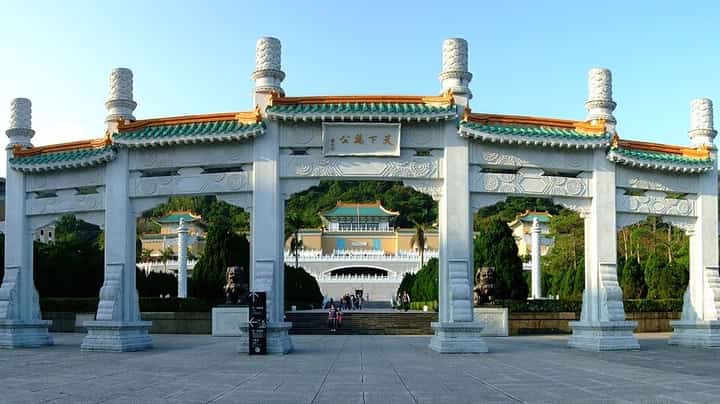
Over half a century ago, as a young student in Sacred Heart School in Cebu (a Jesuit Chinese school, the forerunner of Kuang Chi School in Manila, later known as Xavier School), I became familiar with the precious stone called jade.
At several school affairs, some of my classmates would bring their baby and toddler siblings donned with jade pendants and bracelets. Doting frail grandmothers with small feet from foot binding – or chanzu – who religiously attended our programs and projects likewise brandished jade bracelets in different colors. In some houses of schoolmates, there would often be prized home decors totally crafted in jade. I did not think much on its history then.
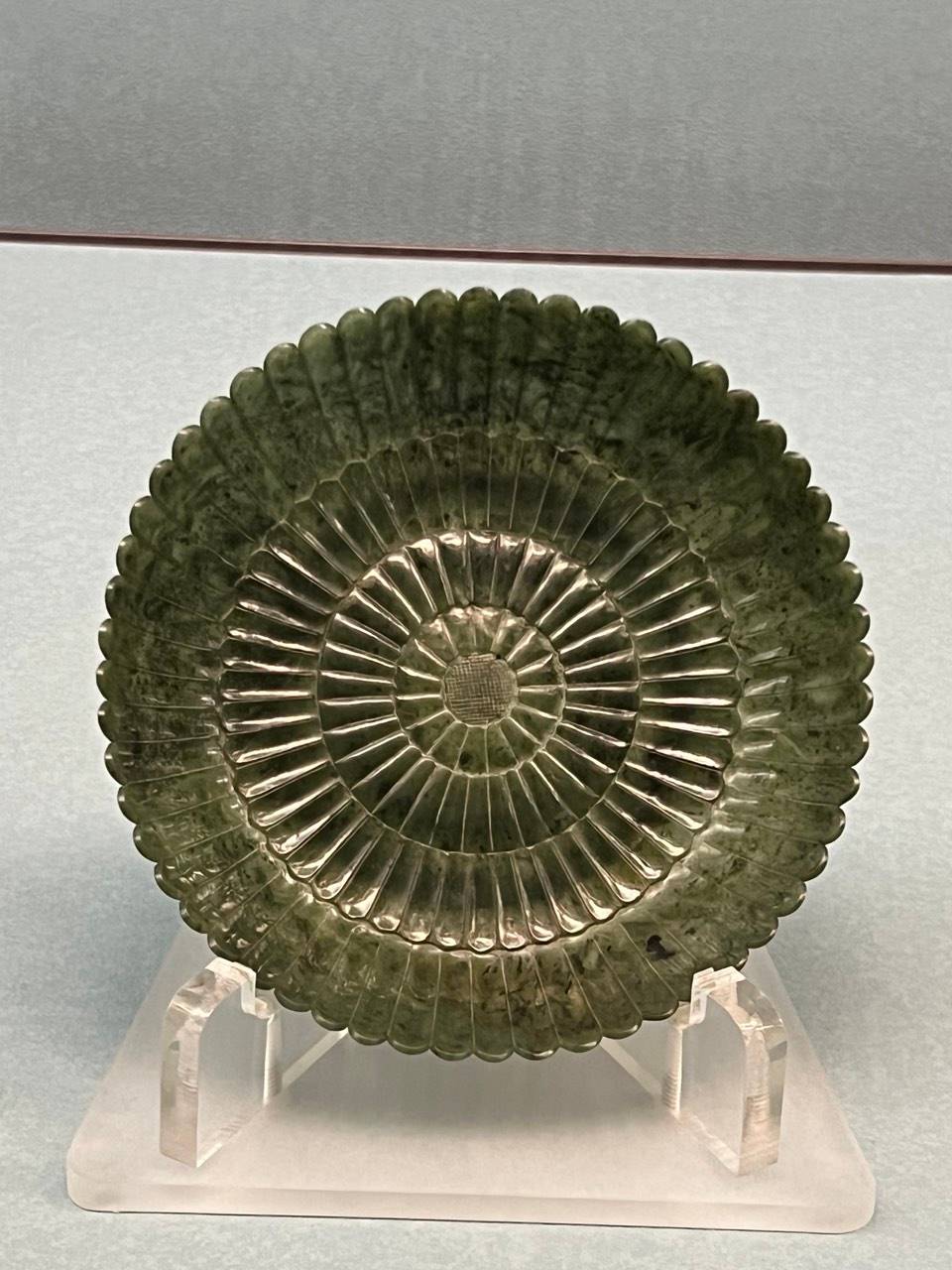
JADE Chrysanthemum shaped Dish.
So, during my most recent trip to Taiwan, I naturally took an interest in the jade collection at the National Palace Museum in Taipei, which incidentally celebrated its 100th anniversary!
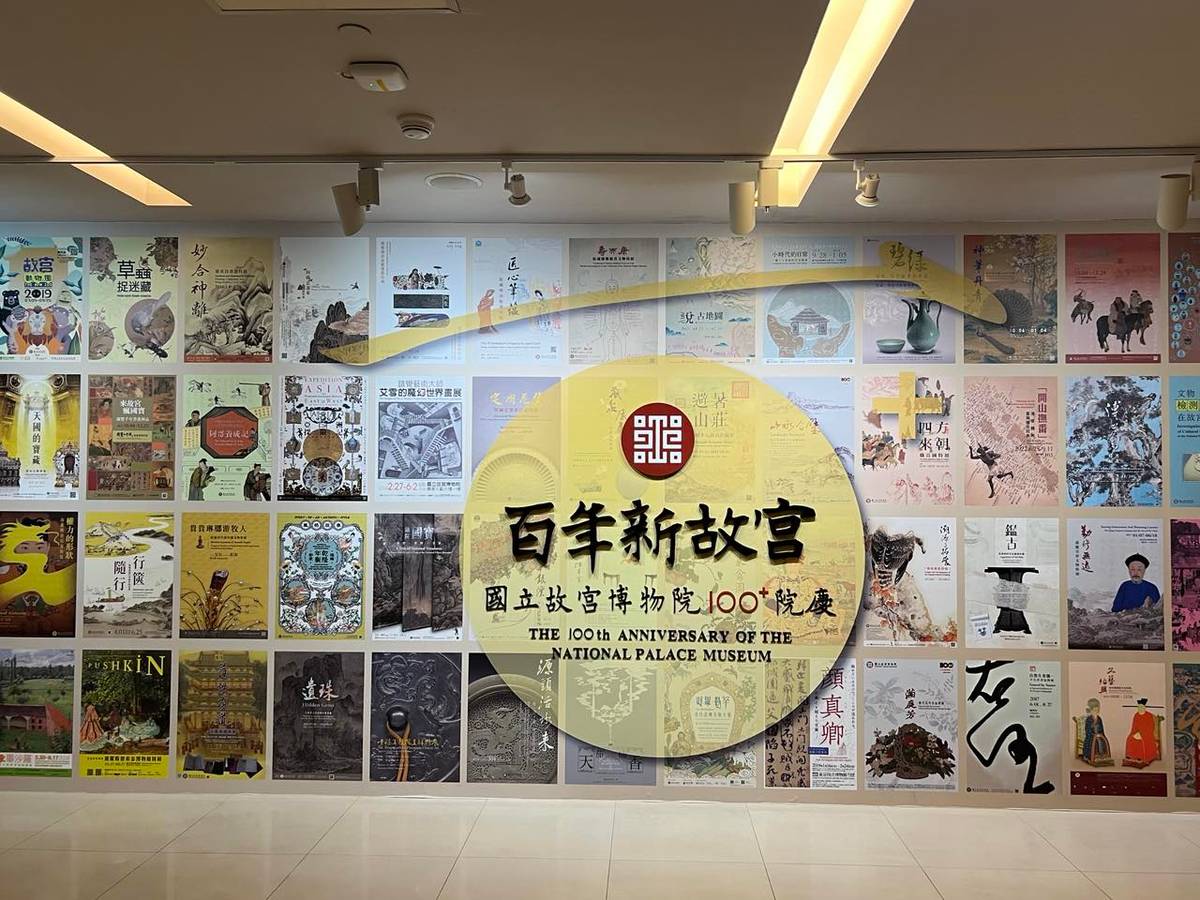
A SIGNAGE which commemorates the 100th Anniversary of the National Palace Museum.
The entrance gallery of the permanent exhibition, Art in Quest of Heaven and Truth: Masterpieces of Jades in the Museum Collection, explained jade – cool and hard to touch, yet warm and graceful to look at – has remained a constant element in Chinese culture for thousands of years. It was not just simple jewelry. It embodied ideas on heaven, ancestors, nature, virtues and the search for truth. The area was curated into several sections, each with its own eye-catching jade displays.
Here are my brief takeaways from each:
The first, The Spirit of Jade, recited the earliest relationships between humans and this remarkable stone. More than 7,000 years ago, early communities recognized jade for its strength, beauty and luminous quality. It was shaped into ritualistic objects such as bi discs and cong tubes, which were connected to beliefs about heaven, earth and ancestral spirits.
The Virtue of Jade traced its changed meaning. What had once been linked with divine power and spirits was gradually associated with Confucian ideals. Jade represented the qualities of a junzi — benevolence, rectitude, wisdom, courage, and integrity.
In The Blossoms of Jade, the artifacts transformed to a naturalistic pursuit, with humans, flora, and fauna as the subjects. This segment highlighted the influence of nomadic cultures, which exemplified how jade evolved through time.
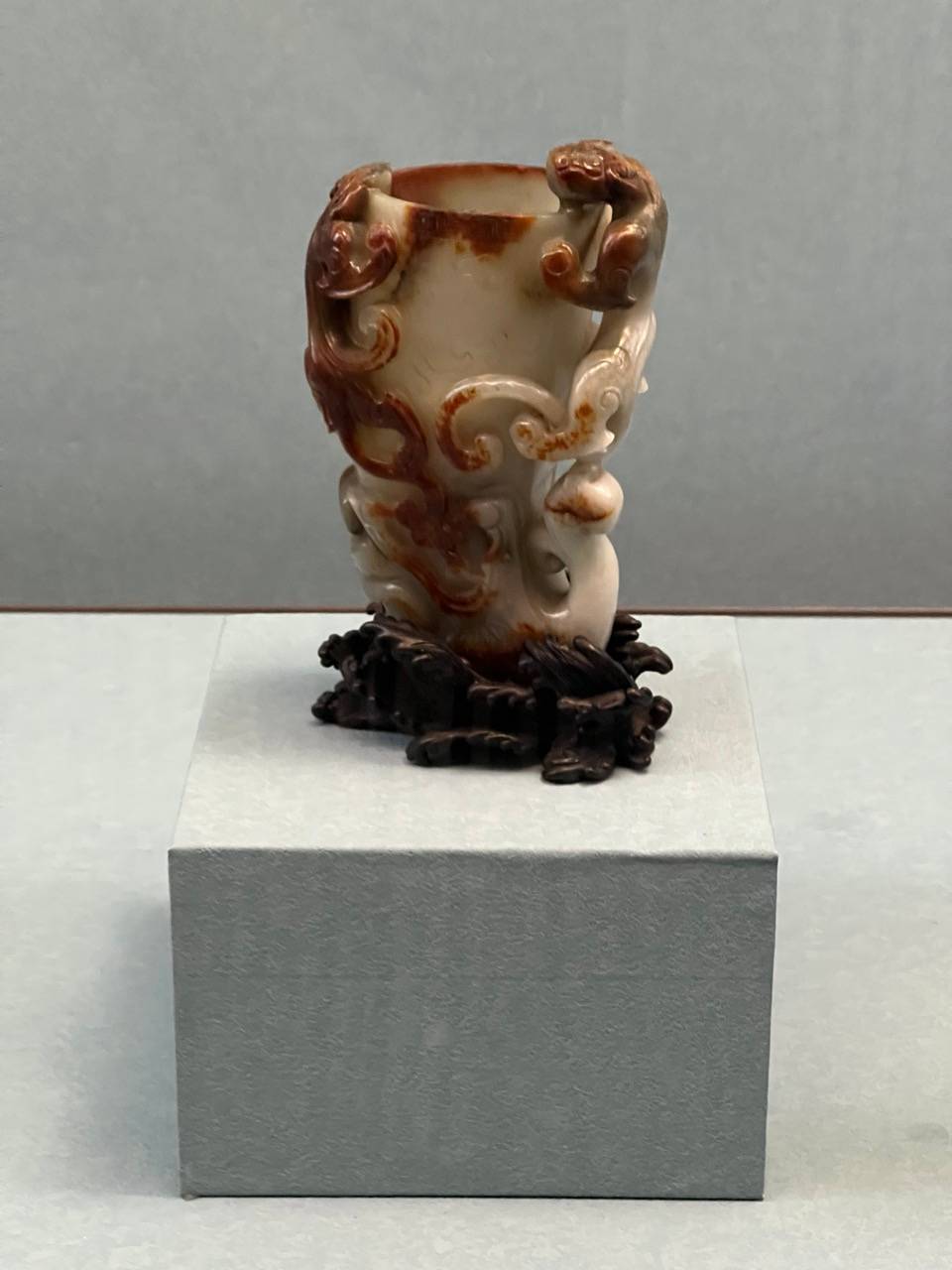
BROWN-coated Jade Gong Vessel with Relief of Coiling Chi Tigers. Late Ming to Early Qing Dynasties 1522-1735 CE.
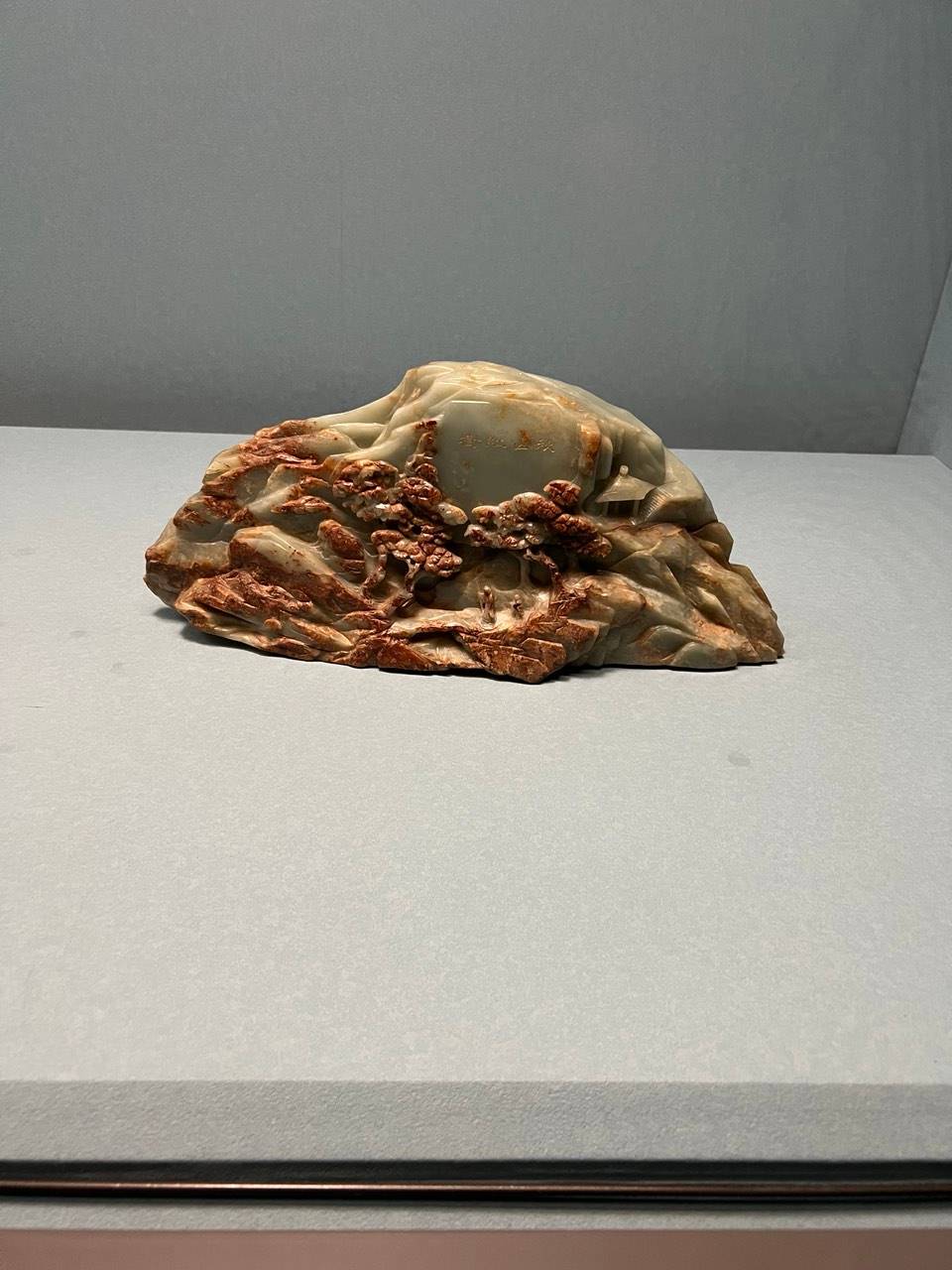
JADE Carving with Autumn Scenery Design in Mountain Style.
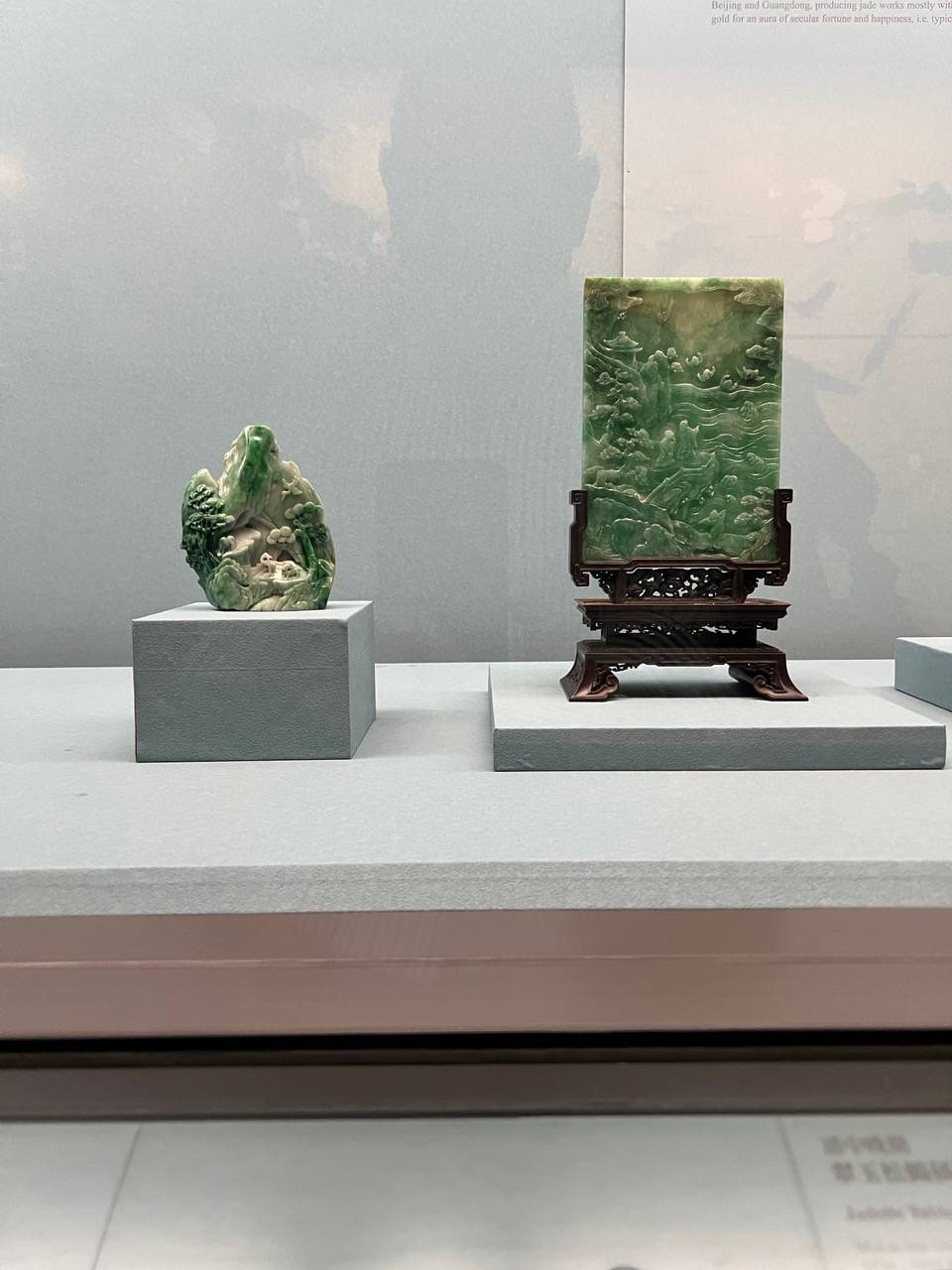
JADE Carving (left) and Jade Table Screen during Mid to late Qing dynasty.
The Ingenuity of Jade Carvings showcased the last two imperial dynasties in China — the Ming and Qing epochs — the time of great accomplishments and advanced sophistication. The mighty Emperor Qianlong’s enthusiasm for jade stimulated an extraordinary period of production.
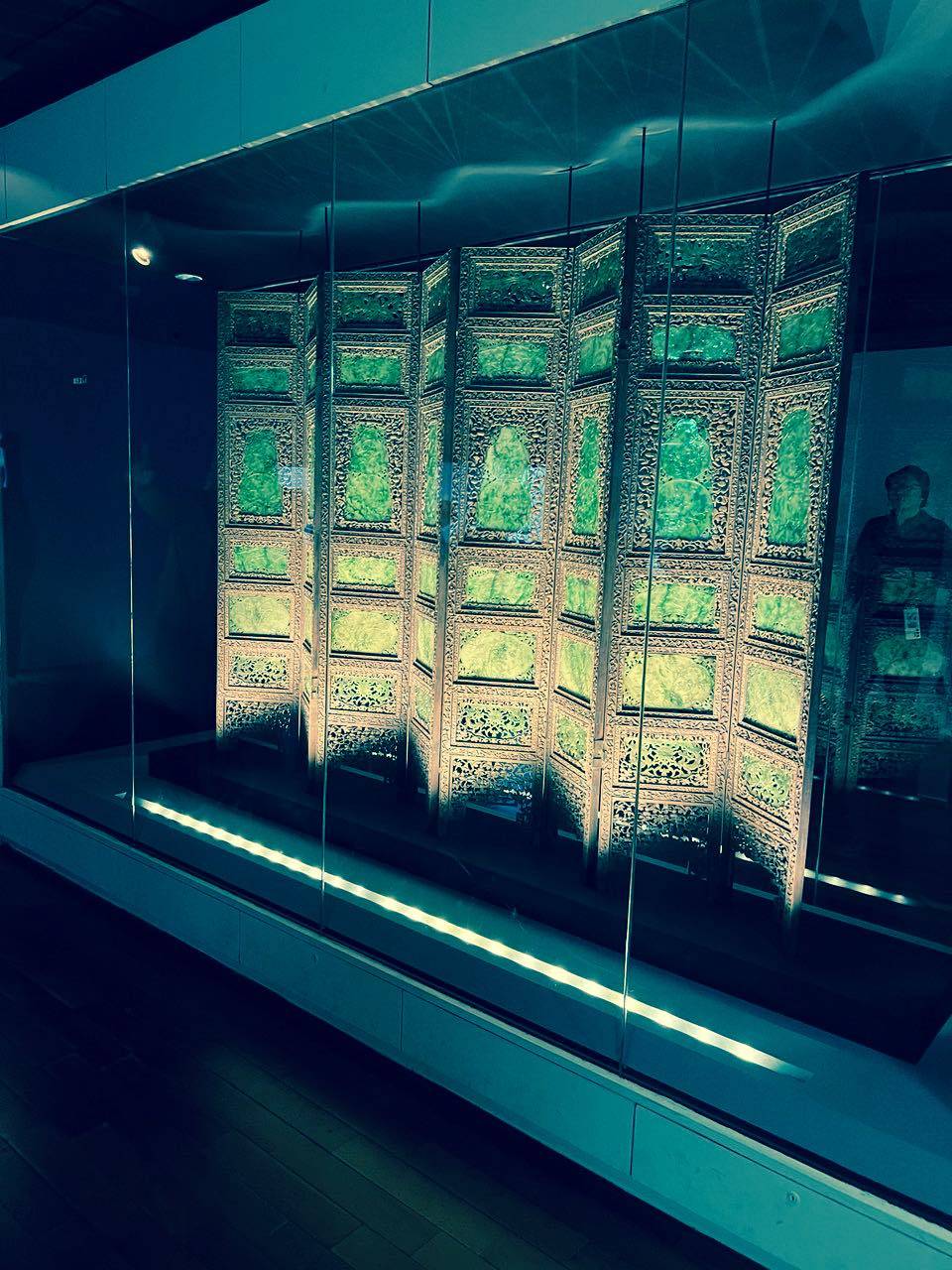
JADE Screen, as a gift to the Emperor of Japan, circa 1940.
Jade without Grinding is of No Use revealed the tools utilized to achieve the desired outcomes — a reminder of the painstaking process to cut, drill, shape, and polish these pieces.
Finally, Dazzling Gemstones and Jewelry brought attention to jade’s varied colors, from white and bluish white to gray, black, yellow and the most common green.
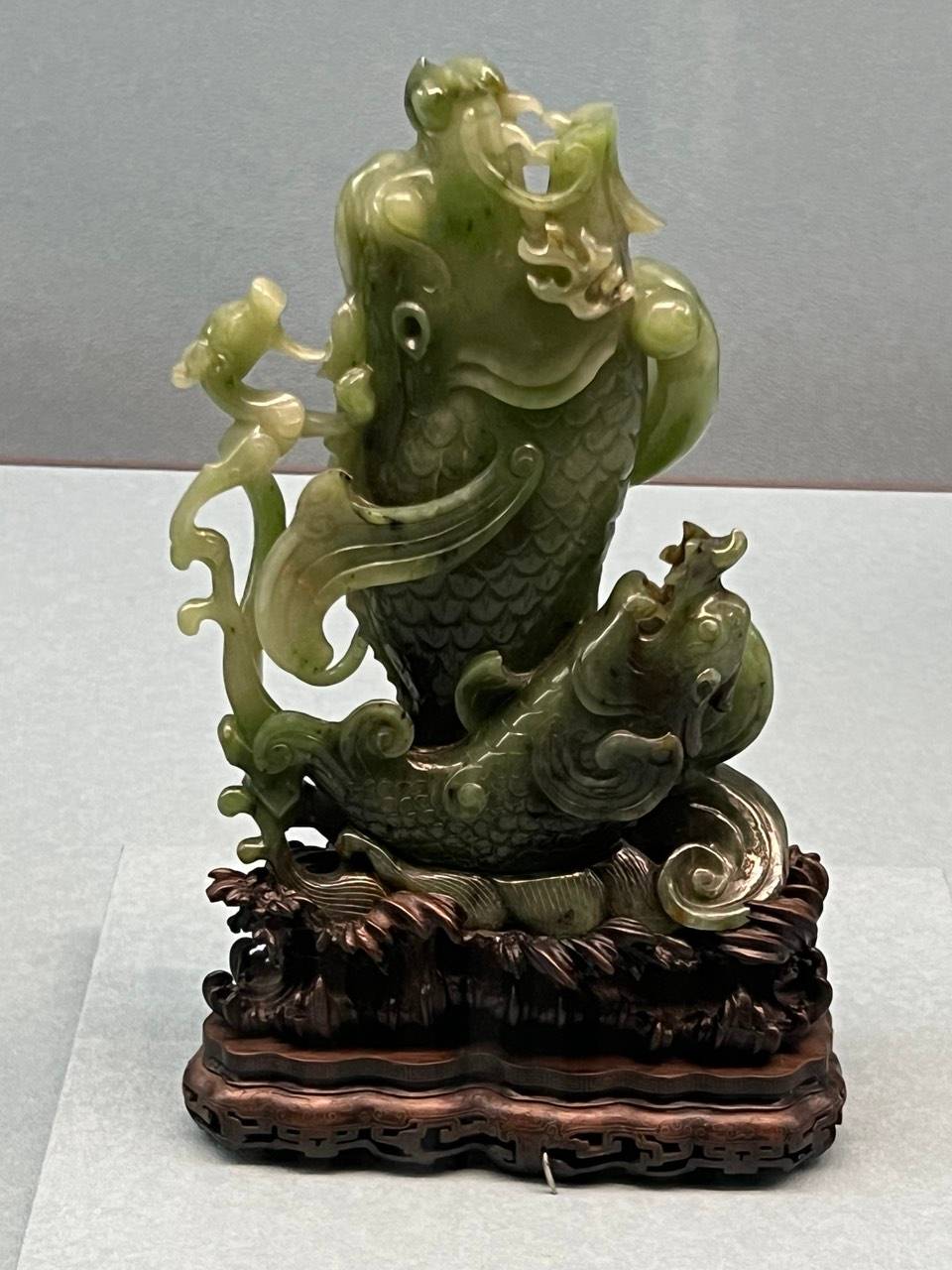
GREEN Jade Flower Holder in the Shape of Fish-Creature.
Though familiar to me only in color and look, little did I know the inner meanings of this curious stone — which carried thousands of years of craftsmanship, belief and cultural memory.
As my last stop, I took a detour to once again marvel at the Jadeite Cabbage — one of the most popular in the entire depository, for it magically transformed a block of jade into an iconic vegetable, with keen attention to detail from the hands of the carver, all while it retained its cultural significance.
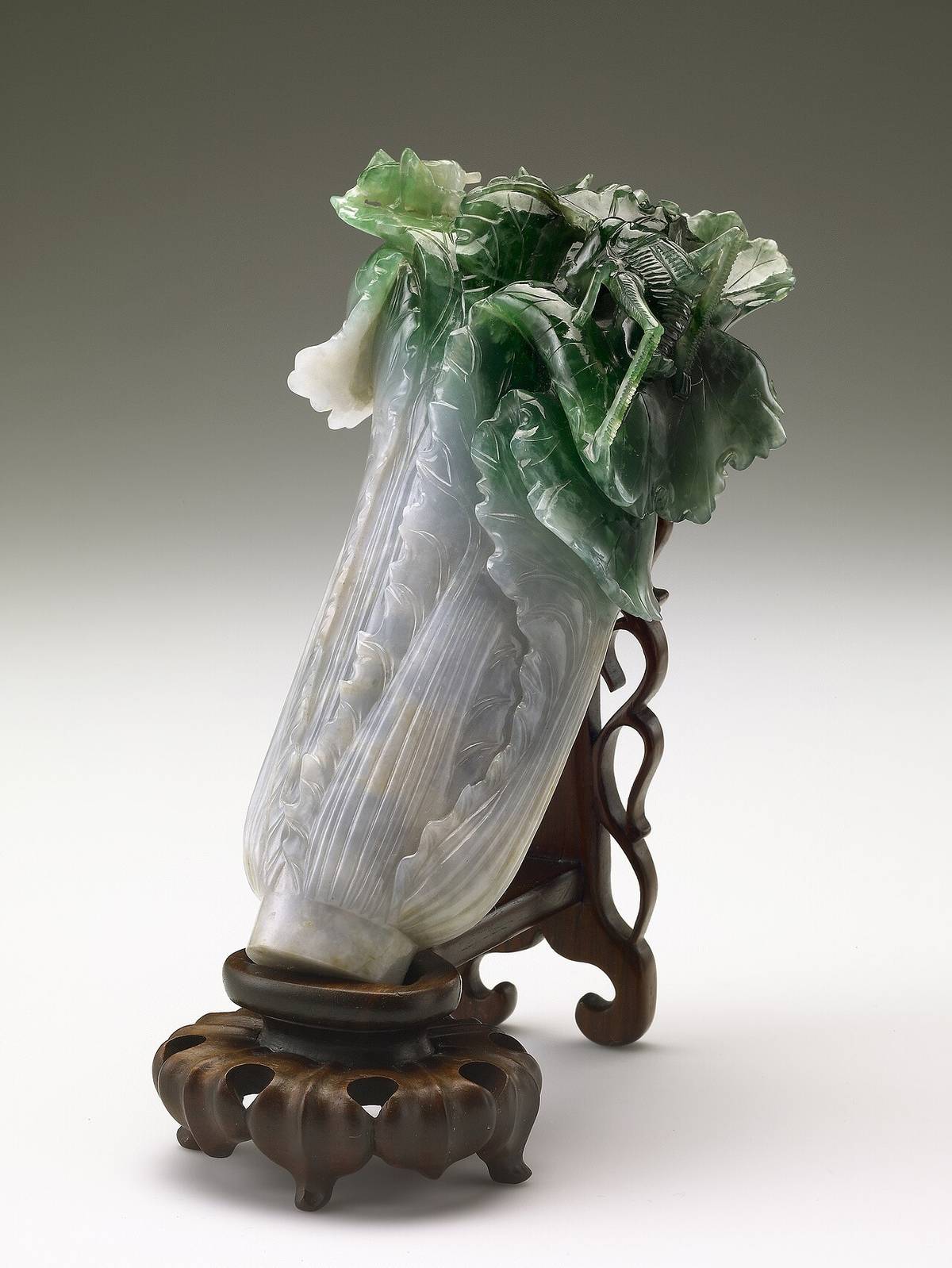
THE iconic Jadeite Cabbage.
Photographs courtesy of National Palace Museum Open Data website
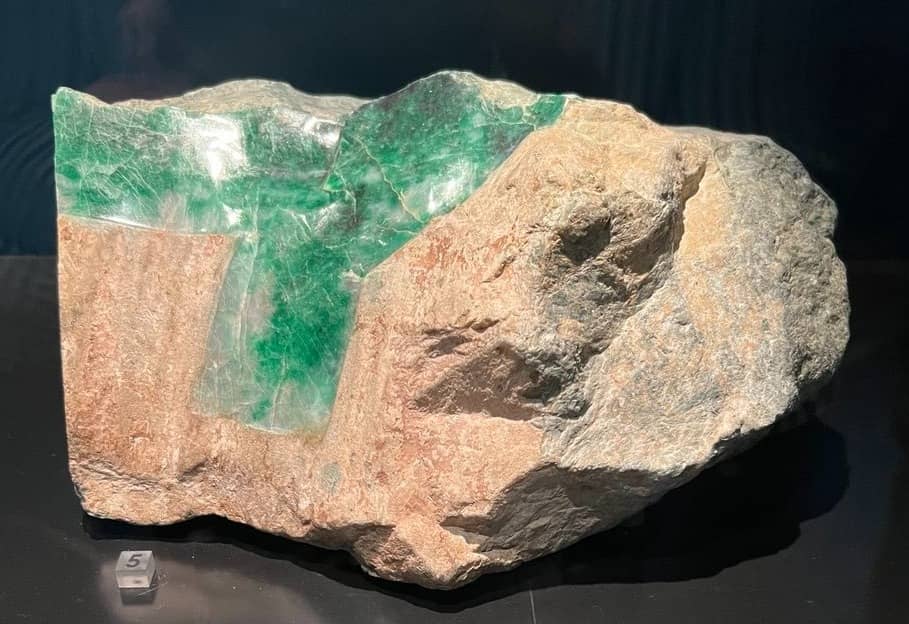
JADEITE from the Myitkyina area in Myanmar, during the Qing Dynasty.
Photographs by Edu Jarque for DAILY TRIBUNE