
When does owning a Birkin become too much?
The Hermès Birkin started as a practical solution to an ordinary problem. Today, it is the ultimate luxury collectible. But when does treating a bag like an untouchable museum piece take away from what made it special in the first place?

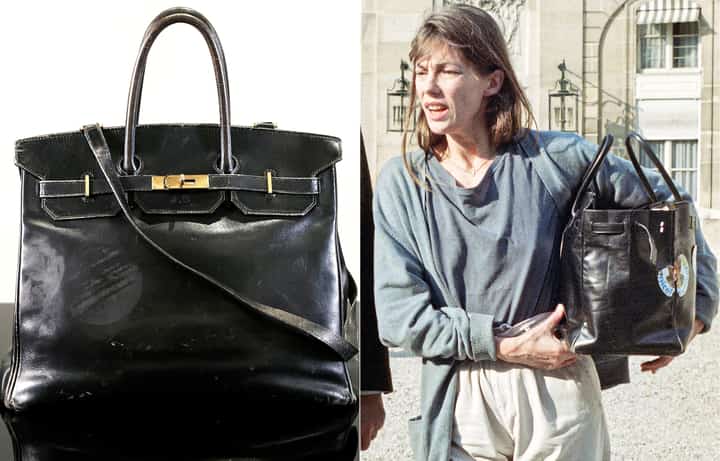
JANE Birkin, whose effortless style and everyday approach to fashion became forever linked to one of the world’s most recognizable luxury bags.
Photographs courtesy of Gilles Leimdorfe
Luxury bags are no longer simply things we carry. For some, they are investments. For others, they are collectibles, heirlooms, or even a way of showing that they have made it. But when does having too much of a good thing begin to take away from what made the item special in the first place?
That is a question worth asking about the Hermès Birkin.
The ultimate status symbol
The Birkin bag has become one of the clearest symbols of luxury. In the Philippines, it is not difficult to find stories of celebrities, socialites, and collectors with multiple Birkins in different colors, sizes, and materials. Local fashion publications, such as Preview, have regularly featured personalities with extensive Hermès collections, including rare Himalayan versions.
There is nothing inherently wrong with collecting them. If someone has the means and genuinely loves the craftsmanship, why not? But there is something interesting about how far the Birkin has moved from what it was originally created to be.
An unglamorous beginning
The story of the Birkin begins in 1984, when Hermès executive chairman Jean-Louis Dumas found himself sitting beside British actress and singer Jane Birkin on a flight between Paris and London. Birkin had been carrying a wicker basket and complained that she could not find a leather bag that was both elegant and large enough for everything she needed as a young mother. According to Hermès, Dumas responded by sketching a supple, spacious rectangular bag with saddle stitching and even a dedicated space for baby bottles.
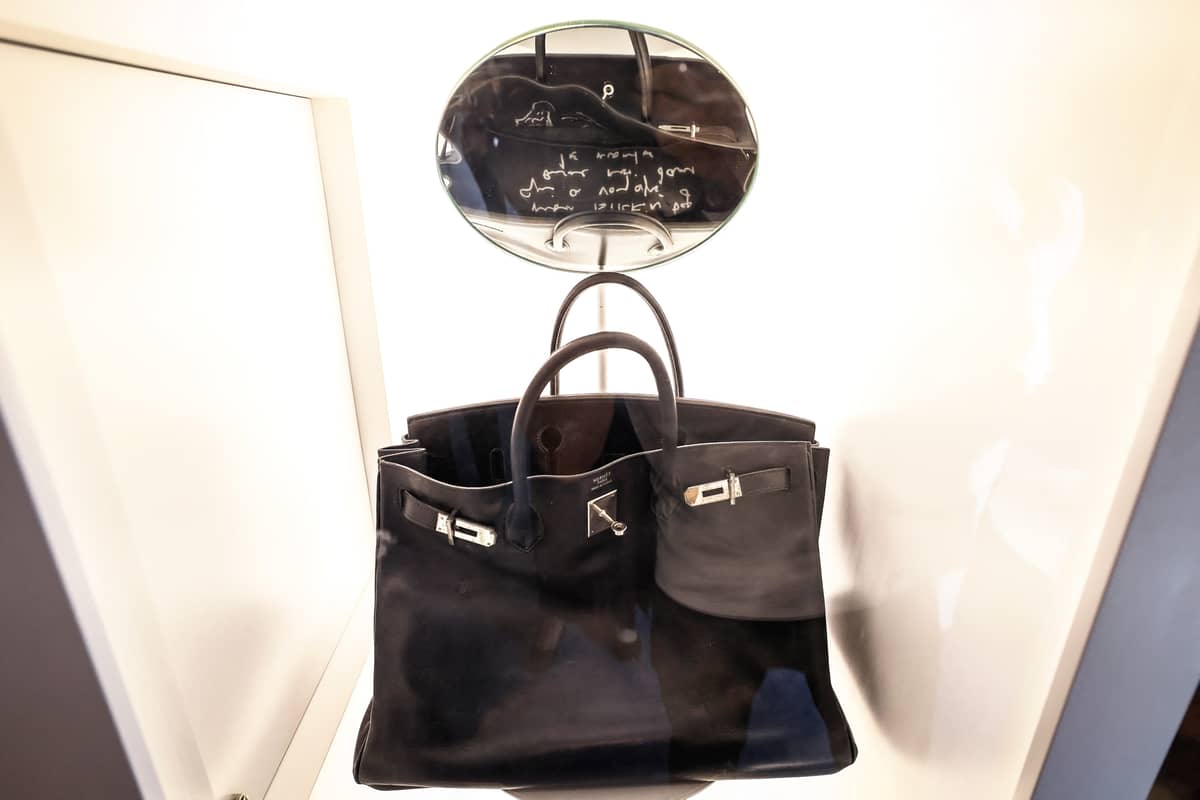
THE Birkin bag sits at the intersection of craftsmanship, collecting and the enduring appeal of luxury.
The famous part of the story is that the design was sketched on an airplane sickness bag. Birkin herself later recalled the encounter, saying she drew the bag on the “sick bag” — a wonderfully unglamorous beginning for what would eventually become one of the most recognizable luxury accessories in the world.
And that is perhaps the irony of the Birkin. It was not initially designed as a trophy. It was designed because a woman needed a bag that could hold her life. The original idea was practical. It was supposed to be spacious, elegant, and useful. Birkin carried her own bag, and the wear that came with using it became part of its character. Hermès itself describes some of its natural leather as gaining a patina and becoming more beautiful over time.
From companion to collectible
Today, however, the Birkin can occupy a very different role. It can sit in a closet alongside several others, displayed almost like pieces of art. Some collectors own the same design in multiple colors, sizes and exotic skins.
Luxury is, after all, partly about desire. People collect watches, jewelry, paintings, and cars because they appreciate them. A handbag can be no different. The question becomes more interesting when the bag is valued more for being untouched than for being used — especially since the Birkin was never really meant to be precious in the way a museum object is.
Jane Birkin’s original bag is perhaps the best example of this. She carried it for years, and it became visibly worn. In 2025, that very bag sold at auction for a record €8.6 million, including fees, proving that its scratches and signs of use did not destroy its value. If anything, its history made it more extraordinary.
That makes the current obsession with keeping certain luxury bags perfectly pristine somewhat fascinating. Yet, the modern Birkin can sometimes feel as if it has become a museum object that needs to be protected from everyday life.
The true spirit of luxury
There is also a growing appreciation for the opposite. Tatler Asia recently looked at the trend of “battered” luxury bags, noting how scratches, scuffs, overstuffed shapes, and faded colors are increasingly being celebrated as signs that a bag has actually been lived with. Perhaps that is where the Birkin’s original spirit comes back into the conversation.
A Birkin does not necessarily become less luxurious because it has been used. In some cases, the opposite happens. The marks tell a story. The softened leather shows time. The contents inside say something about the person carrying it. And that, to me, is much more interesting than simply having a room full of untouched bags.
Perhaps the real status symbol is not how many Birkins someone owns, but how naturally they can make one their own. Heart Evangelista, for instance, has spoken about investing in pieces that endure and can eventually be passed down. She has also famously painted on her own Hermès Birkin after a food stain, turning an accident into something personal rather than simply treating the bag as untouchable. That feels closer to the spirit of Jane Birkin herself.
The Birkin started with a wicker basket, an inconveniently full bag, and a conversation on an airplane. It was born from the very ordinary problem of having too much stuff to carry. Somewhere along the way, it became a symbol of having more than enough. And maybe that is where the conversation about “too much” really begins: not with how many bags someone owns, but with whether the bag is still being enjoyed — or whether owning it has become the entire point.