
Phl to host ASEAN maritime decarbonization conference
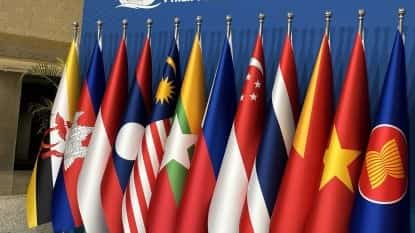
The Philippines will co-host a regional conference focused on accelerating maritime decarbonization as ASEAN countries face growing pressure to cut shipping emissions while maintaining the competitiveness of one of the world’s busiest maritime regions.
The ASEAN Future of Maritime Conference 2026 will be held virtually on 16 September through a partnership between the Department of Transportation, the ASEAN Secretariat and Partnerships for Infrastructure (P4I), Australia’s infrastructure initiative in Southeast Asia.
The conference, themed “Navigating Our Future Together: Advancing Maritime Decarbonisation through Investment, Innovation and Skills,” will bring together government officials, industry representatives, international partners and maritime experts from ASEAN and Australia.
Transition toward lower-emissions maritime operations
Discussions will center on the investments, technologies, partnerships and policies needed to support the transition toward lower-emissions maritime operations.
The initiative comes as energy security and climate change remain key concerns for the shipping industry, particularly in Southeast Asia, where major international trade routes pass through the region.
The Philippines is working to establish its own long-term maritime decarbonization strategy. The Department of Transportation, together with the Philippine Ports Authority, Maritime Industry Authority and Philippine Coast Guard, is currently developing a greenhouse gas emissions baseline for the country’s maritime sector.
Adoption of lower-emission technologies
The conference will also examine opportunities for ASEAN countries to align their maritime transition with regulations of the International Maritime Organization while adopting emerging low-emission technologies.
Organizers said the shift could also strengthen the region’s competitiveness by encouraging investments in cleaner maritime technologies and infrastructure.
The virtual program will feature presentations, two moderated panel discussions and opportunities for participant engagement. Attendance will be by invitation.
The conference reflects the Philippines’ effort, alongside ASEAN and Australia, to promote a safer, more resilient and lower-emissions maritime sector while building stronger regional cooperation on investment, innovation and skills.