
Turf war
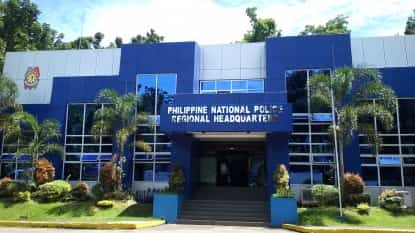
Time and again, we hear stories of conflicts between government agencies, particularly when law enforcement bodies overstep their designated roles.
Consider the recent order by the Philippine National Police-Highway Patrol Group (PNP-HPG) relieving its personnel involved in a controversial raid in Bulacan where HPG personnel allegedly confronted Bureau of Customs agents who were destroying smuggled cigarettes.
The unexpected hostile encounter between two government agencies compromises the integrity of the operatives involved. Such behavior is unacceptable as it operates beyond the established jurisdiction to gain authority or resources. It raises serious questions about the transparency of our enforcement practices.
Brig. Gen. Rommel S. Batangan may have taken the first step toward addressing these concerns by relieving at least 12 HPG personnel of their duties and reassigning them to other posts.
Was this an appropriate consequence, however, for actions that could undermine public confidence in our law enforcement? Merely moving personnel from one division to another does not reflect the gravity of their alleged misdeeds. Appropriate disciplinary actions must be implemented based on clear findings of a thorough investigation.
Many systemic issues have long troubled the police force. While the relief order, designed to ensure an “impartial investigation,” was necessary, it was not enough. To restore public trust, there must be a commitment to investigate not only this incident but also the broader culture within the PNP-HPG that could permit such confrontations.
There are also serious concerns that some members of the police force acted beyond their official duties. People might suspect that the police are colluding with smugglers rather than working to combat them. If left unchecked, it could fracture the very foundation of our law enforcement’s integrity.
The PNP-HPG not only seeks to understand this specific interaction but to also delve into the deeper issues of corruption, lack of oversight, and insufficient training that could lead to such behavior.
The PNP-HPG must make its findings and the steps being taken public as the investigation progresses. The community deserves to know not only what happened but also how the PNP intends to prevent such incidents in the future. The phrase “due process” should never be a shield for allowing misconduct to go unpunished; rather, it should be a promise to uphold justice without bias.
For the PNP to regain trust and legitimacy, it must confront the uncomfortable truths that lurk in the shadows of its operations. Reform should be guided by the relentless pursuit of justice, impartiality, and the unwavering courage to root out dishonesty at every level.
Each of us has a stake in the integrity of our law enforcement agencies. That is why demanding transparency, advocating for comprehensive reforms, and holding those in power accountable for their actions are necessary to ensure that our communities are safe.
The symbiotic relationship between the agency and the people it serves is the basic foundation of trust. It is through this principle that we not only uphold the law; it also binds us in the quest for peace and safety.