
The land where Jesus walked
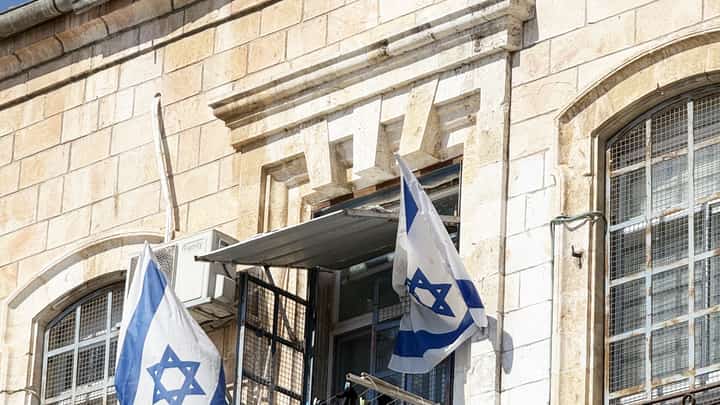
ISRAEL — Arguably one of the dirtiest words on social media at the moment, depending on whom you ask. The state has been the subject of intense online vitriol following the 7 October attacks on its soil, while its broader, decades-long conflict with Palestine has triggered an outpouring of support for the latter’s struggle for statehood.
For many supporters of the “Free Palestine” movement, Israel has been portrayed as a political “bully” or even outright fascist — accused of denying Palestinians their basic rights, while international bodies have raised serious allegations of human rights violations, genocide and apartheid as the territorial conflict persists.
I understood that I was becoming part of arguably the most complex and contentious contemporary political debate when I agreed to take part in a government-sponsored Philippine media visit from 6 to 13 August.
Admittedly, visiting the country had never been close to the top of my list of places I wanted to see. I mean, who in their right mind wants to visit a place embroiled in so many conflicts — most of them technically still ongoing, mind you — that it would take volumes of encyclopedias to outline every nuance in detail? Not to mention its role in the broader Middle East conflict, which has battered our local economy and made my life as a business reporter much, much more difficult.
I could sit here and sing praises of the Holy Land: how beautiful the architecture is in Jaffa and Jerusalem, how the beaches of Tel Aviv may rival our own, or how I walked the same streets Jesus and his disciples traversed during their time on Earth two thousand years ago. But, in the grander scheme of things, all of that is ultimately anecdotal.
Israel is a place that cannot be discussed like any other out-of-town visit. As its borders stand today, it is home to some of the most revered and significant religious landmarks in Christianity, Judaism and Islam.
JERUSALEM’s Old City stretches toward the Dome of the Rock, bringing together the history of three major faiths.
JERUSALEM’s Mahane Yehuda Market bustles with shoppers, vendors and the ordinary rhythm of Israeli life.
THE narrow stone alleys of Jaffa reflect the city’s centuries-old character.
Faith. Religion.
Unfortunately, history has shown that the very things meant to hold communities together can ultimately become the same things that divide millions of people. In today’s age of information, this crisis of faith has only been amplified. The very definition of “humanity” has been lost not only in war, but also in the debates and discourse surrounding it.
And yet, my visit to Israel showed me the exact opposite.
We walked through Ben Gurion Airport expecting a heavy military presence. Instead, we were greeted with warmth and civility.
Israel is, despite the “fascist, baby-eating” narrative online, incredibly human. In every experience, encounter and interaction I had, I found a profound sense of humanity. The kindness extended to us by the Israelis we met is something I will not forget anytime soon.
From our tour guide of Jewish-Christian descent from the Galilee, to the Palestinian-Israeli doctor who treated my friend in Tel Aviv after an unfortunate encounter with a tree, to the American-Israeli from Colorado who invited us to sit with him and his Muslim friend along Frishman Beach, each extended the same level of warmth and friendship.
Not because we were journalists. Not because we were Filipinos. But because we were guests in their country.
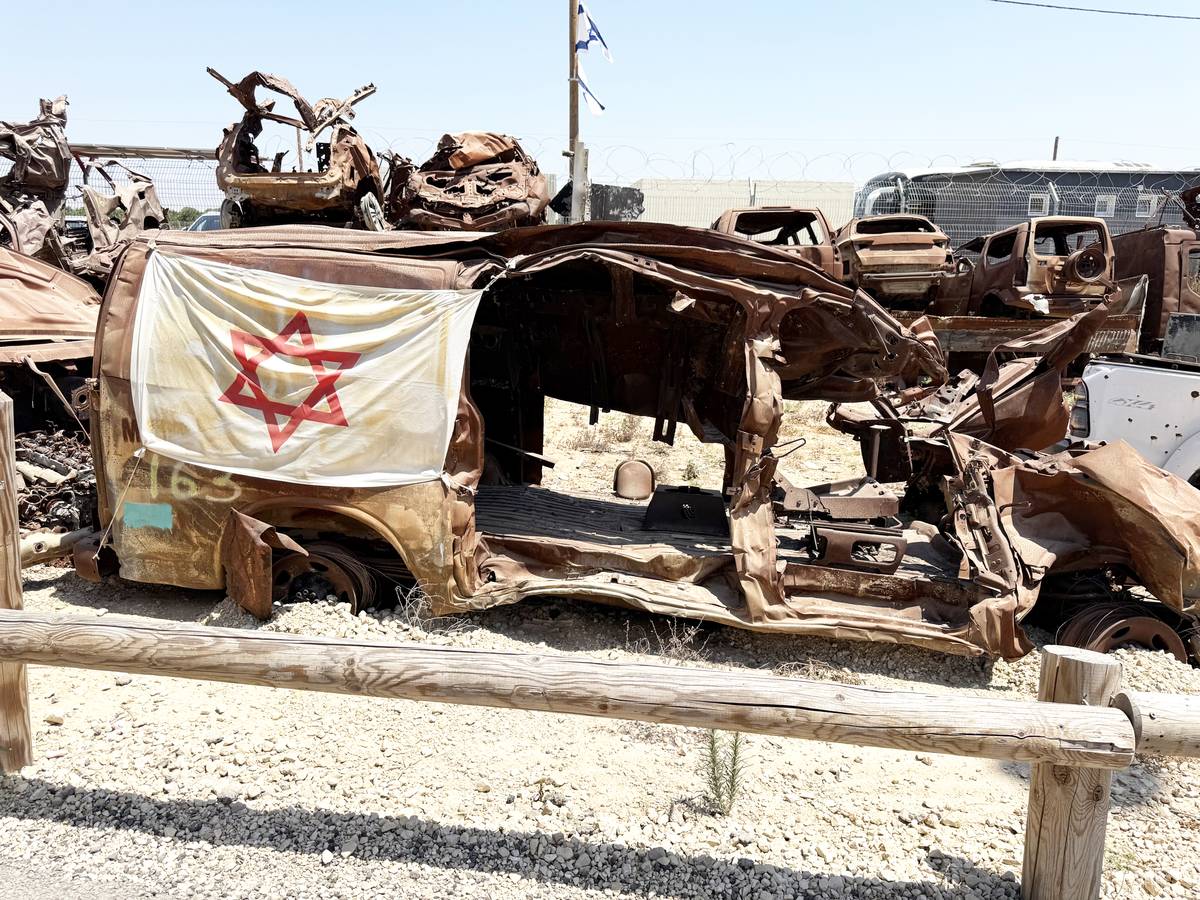
BURNED-OUT vehicles from the 7 October attacks have been stacked in commemoration of the carnage seen during that fateful day.
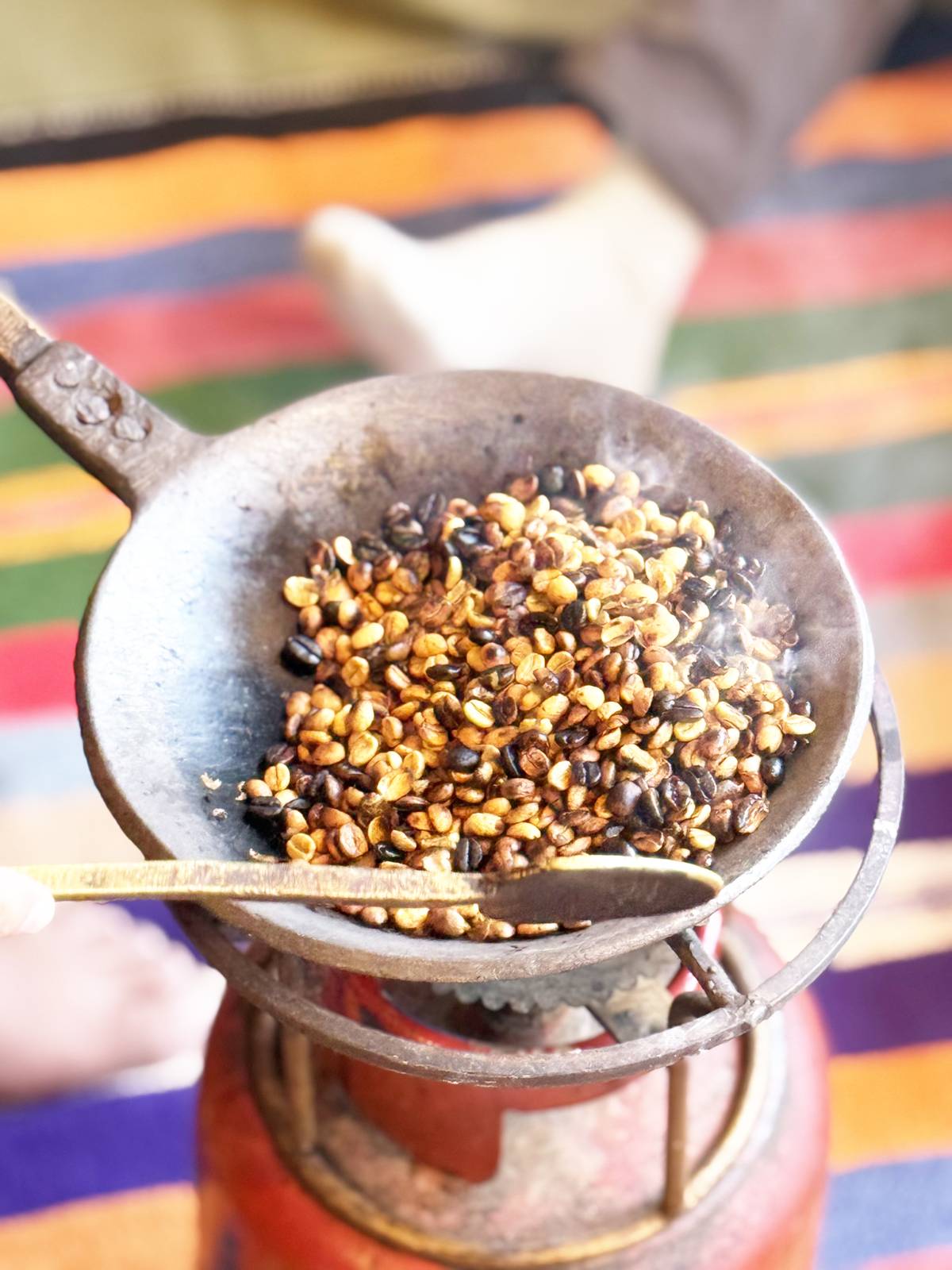
IN the Galilee, freshly roasted coffee offered a taste of Bedouin hospitality and everyday life.
Our stop at the Western Wall in Jerusalem showed this as well. I stood before the wall, praying for my family, friends, colleagues — the people I love most in my life. I prayed alongside people from different Jewish and Christian denominations, including fellow non-Catholic members of our delegation.
We had coffee with a Bedouin Muslim family and dinner with members of the Druze community, another religious minority in Israel. We celebrated Shabbat, the Jewish day of rest, with a rabbi and his family of eight children.
These are the same people that certain corners of the internet have characterized as the devil simply for being Israeli.
That is something I find incredibly difficult to justify.
Sometimes, we become so blinded by our emotions that we dispense with logic. We are only human. It is a natural reaction. I am no stranger to it either.
But not all things are mutually exclusive.
Both Israel and Palestine deserve the right to exist as states peacefully. That may be an extreme oversimplification of an extraordinarily complex issue, but peace belongs to no single religion, race or ethnicity.
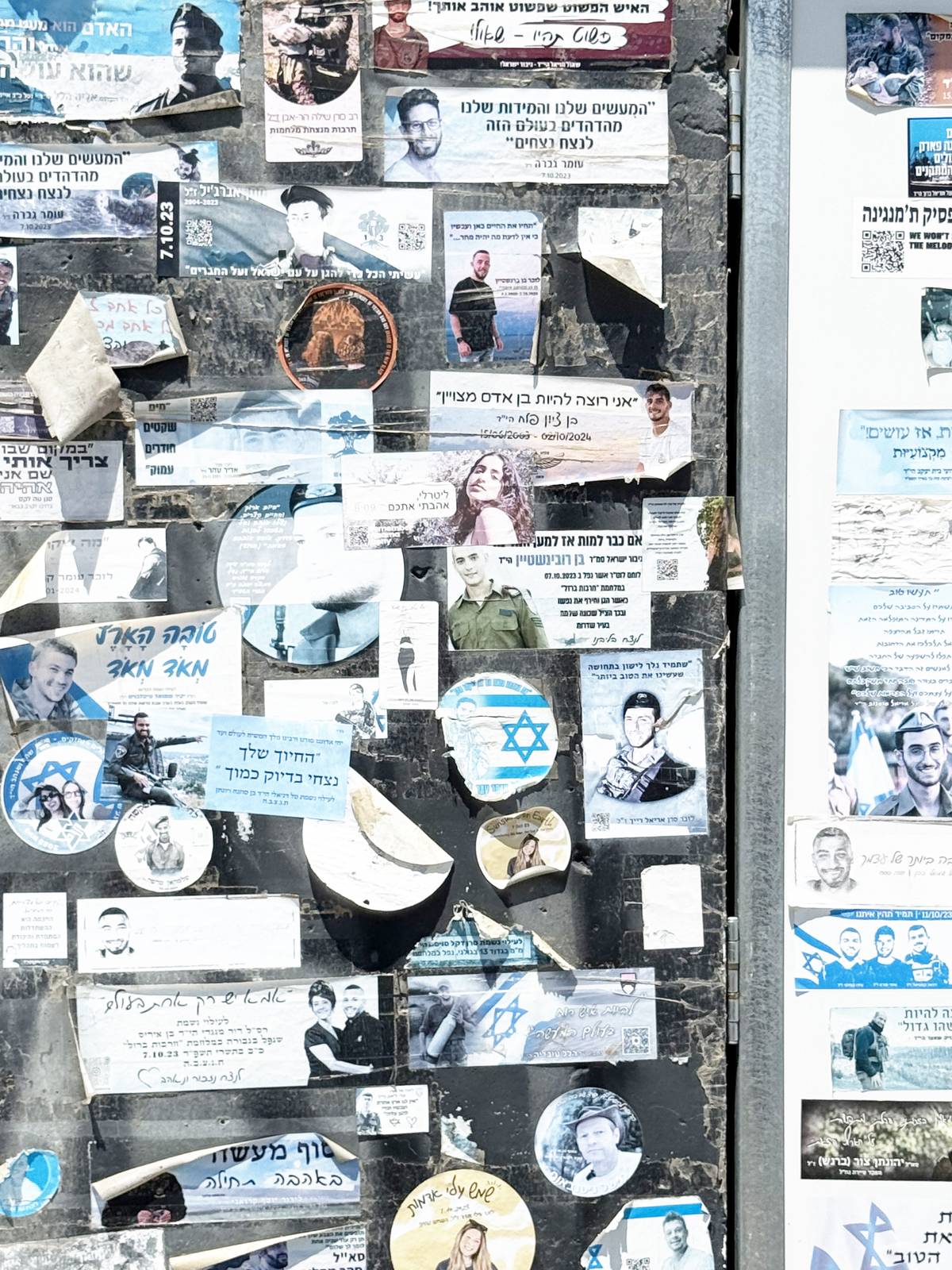
POSTERS and photographs across Israel keep alive the memory of those killed in the attacks.
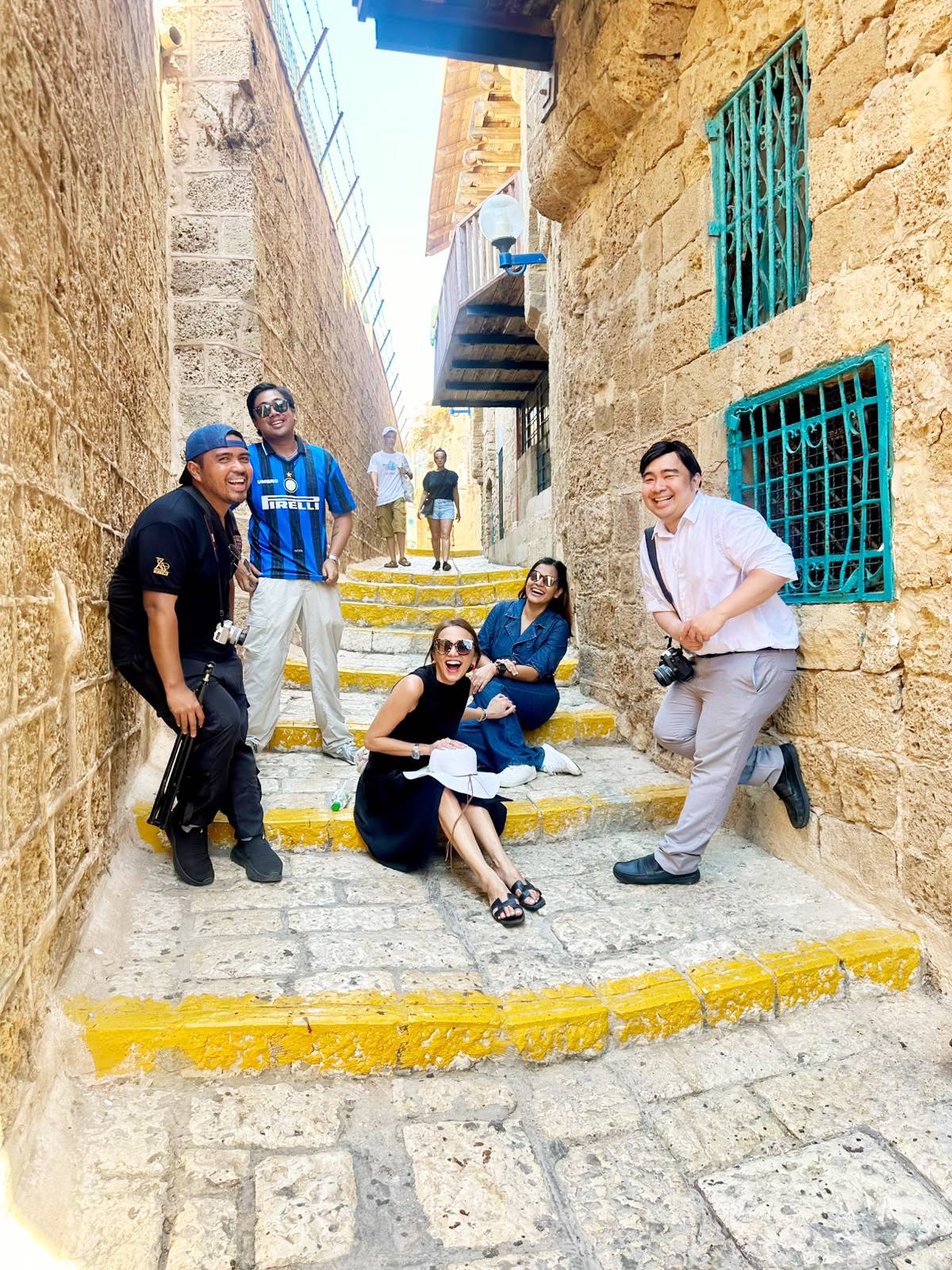
FRIENDS in Jaffa. From left: Raff Herida of A2Z, DAILY TRIBUNE’ Toby Magsaysay, Rikki Mathay of NET25, Barbie Muhlach of A2Z, and Tristan Nodalo of NewsWatch.
I wish things were that simple.
The Israelis I had the pleasure of meeting spoke of the same desire. Regardless of religion or political affiliation, the common sentiment was that they did not want to see more of their children, or their friends’ children, sent off to die in war.
All the noise has taught me to listen beyond the broader discourse. Humanity is not something that can be fully evaluated through headlines or stories alone. It needs to be experienced firsthand.
I do not agree with everything the Israeli government is doing. Neither do all of the Israelis we spoke to.
And perhaps that is the point.
A country is not its government. A people are not their politicians. And a human being should never be reduced to the flag they were born under.
After walking through Israel, speaking to its people and seeing both its beauty and its scars, I came away with one conviction: we should be able to condemn a government without dehumanizing its people, defend Palestinian statehood without denying Israel’s right to exist, and demand peace without choosing which side gets to be human.
Because somewhere beneath all the politics, all the history, all the religion and all the noise are ordinary people who want what ordinary people everywhere want: to live, to love, to raise their children, and to come home alive.
Can't get more simple than that.