
Ex-rebels eye farm livelihoods

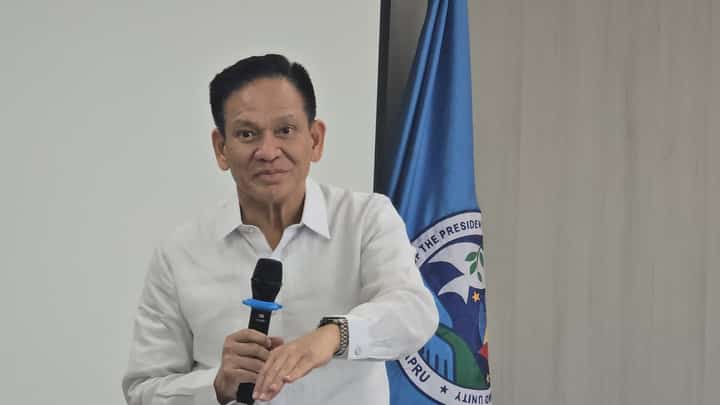
Former communist rebels and members of the Moro Islamic Liberation Front (MILF) and Moro National Liberation Front (MNLF) could be given long-term farming livelihoods under a new government program linking reintegration with agriculture.
The Department of Agriculture and the Office of the Presidential Adviser on Peace, Reconciliation and Unity (OPAPRU) said they are developing a farm-based livelihood model that would go beyond short-term skills training by connecting former combatants to land, private investors and guaranteed markets.
OPAPRU Secretary Mel Sarmiento said many returnees, particularly those aged 46 to 60, could benefit more from farming enterprises than additional technical training.
Under the proposed setup, farm supervisors would manage production while private companies could provide financing, technical assistance and purchase the harvest.
“This is about giving our former combatants a livelihood that can grow with them and with their communities. If we can connect them to land, markets, and private-sector partners, we can turn the peace process into something they can see and feel in their daily lives,” Sarmiento said.
Agriculture Secretary Francisco P. Tiu Laurel Jr. said farming could give former combatants and their families a stable source of income while creating jobs and strengthening rural economies.
“Peace becomes stronger when people have something productive to build and a livelihood they can depend on. If agriculture can give former combatants and their families income, markets, and a future in their communities, then it can also encourage others to return to the fold,” Tiu Laurel said.
Pili and ube are among the crops being considered. Sarmiento said pili could be particularly promising in Samar and Bicol, citing prices of about P600 per kilogram and growing demand from Korean buyers.
The program may also include community nurseries, fisheries and livestock training, farm equipment and food hubs. Authorities are working with about 53,000 combatants, while the Armed Forces of the Philippines is helping conduct community-level dialogues.
Tiu Laurel tasked Agriculture Undersecretary Jerome Oliveros to coordinate the program as the agencies work to turn reintegration into sustainable rural livelihoods.