
SC junks bid to release Senate flood control draft
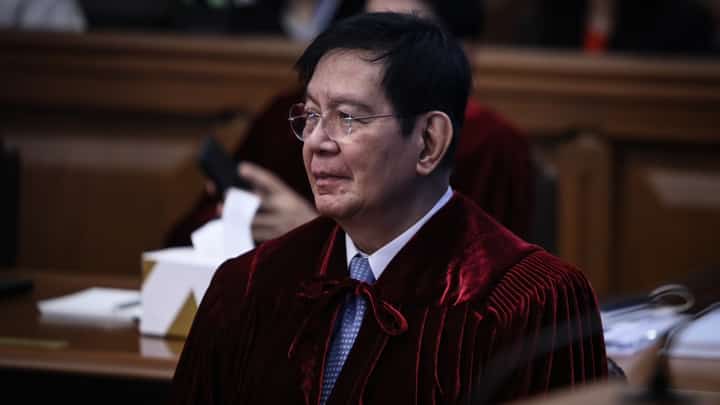
The Supreme Court (SC) has rejected a petition seeking to compel the Senate Blue Ribbon Committee to release the full, unredacted draft of its report on alleged irregularities in flood control projects nationwide.
The SC En Banc, during its session on Wednesday, 12 August 2026, ruled that the petitioners failed to establish a legal or constitutional duty requiring the Senate panel to disclose an unfinished committee report.
The petition for mandamus and certiorari was filed by lawyers Eldrige Marvin B. Aceron, Sikini C. Labastilla and Purificacion Bartolome-Bernabe after a draft partial committee report was leaked to the media in February.
The leaked document reportedly recommended criminal and administrative charges, including plunder, against several senators and other public officials over alleged flood control irregularities.
The high court said mandamus may only compel the performance of a ministerial duty clearly required by law. It found no such obligation covering the release of an unfinished Senate committee report.
According to the SC, a draft report remains a preliminary document and only becomes part of the Senate's official records once it has been finalized, approved by the committee and submitted to the plenary in accordance with Senate rules.
Right to information not absolute
The high court also rejected the petitioners' argument that withholding the document violated their constitutional right to information.
It stressed that the right is not absolute and remains subject to recognized limitations, including deliberative process privilege.
The privilege protects internal government discussions and preliminary positions while officials are still deliberating and formulating decisions.
The SC also cited the constitutional principle of separation of powers, saying courts generally cannot interfere with Congress' internal procedures and discretionary matters when these are exercised within constitutional limits.
The petitioners went to the Supreme Court after the Blue Ribbon Committee denied their request for the document on the ground of deliberative process privilege.
They argued that the privilege should no longer apply because then-Blue Ribbon Committee chair Sen. Panfilo Lacson had publicly discussed portions of the draft report.
The high court, however, ruled that the petitioners still failed to establish a clear duty compelling the Senate committee to release the unfinished document.