
Greedy conscience
Greed has taken over conscience; it effectively numbs the internal voice that recognizes the harm done to others.
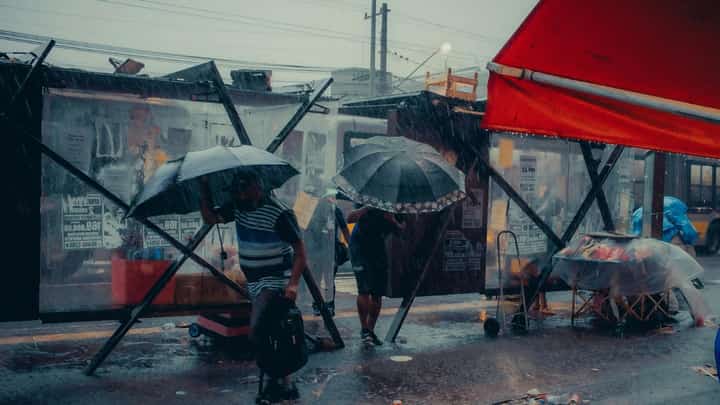
Earthquakes, typhoons and flooding are among the natural calamities that claim many lives instantly. These powerful disasters can devastate entire communities, uprooting families and causing widespread destruction.
The rapid onset of such devastation often leaves little time for preparation, especially for residents in vulnerable areas who have no disaster response plans in place.
As of yesterday, Metro Manila and several provinces have been experiencing continued rainfall, resulting in significant flooding across various areas. The persistent downpour has swollen rivers and inundated streets, making transportation difficult and unsafe.
Local authorities suspended classes in affected areas in both public and private schools last Thursday and Friday. Yesterday, classes were again suspended, as well as the work in government offices, to ensure the safety of students and employees.
We are told to stay indoors and avoid travel unless necessary, as relief operations are underway in affected communities to assist those displaced by the floods. Emergency services are working tirelessly to respond to distress calls and provide support where needed. The government is closely monitoring the situation and is managing the crisis effectively.
Every relief and rescue effort looks like a well-rehearsed drill, operating like clockwork. Emergency hotlines are overwhelmed with calls. Some communities are uniting to support one another. Local and national authorities are actively working to provide assistance and relief to those impacted by the flooding.
Beyond the immediate impact on human life, the aftermath of typhoons also brings long-term challenges, including infrastructure damage, food shortages and the need for extensive recovery efforts.
How often do we encounter recurring weather events in our lives? I’m sure those responsible for inadequate flood control projects, which could have alleviated the problem, don’t feel any remorse despite the damage inflicted on lives and property. Greed has taken over conscience; it effectively numbs the internal voice that recognizes the harm done to others.
We lament the sight of streets transformed into rivers, isolating communities and displacing families. It becomes evident that the devastation caused by nature is not merely a temporary inconvenience. This is a cycle of hardship that disproportionately impacts those in the lower income bracket, who often lack the resources to recover swiftly.
Flood control measures are not merely about managing the immediate fallout, but understanding the underlying issues that exacerbate the impact of flooding. We should invest in effective urban planning, comprehensive drainage systems and sustainable infrastructure.
We have repeatedly emphasized the importance of community preparedness, of empowering residents with knowledge and resources to respond effectively during emergencies.
The situation calls for a collective effort from all sectors of society. Government agencies, local businesses and NGOs must collaborate to ensure that relief efforts are swift and adequate.
With the increasing frequency of weather events, current indicators suggest that we must reassess the signs before they lead to more severe consequences. And, of course, it will not hurt to pray for divine intervention.