
Whom we choose to celebrate matters
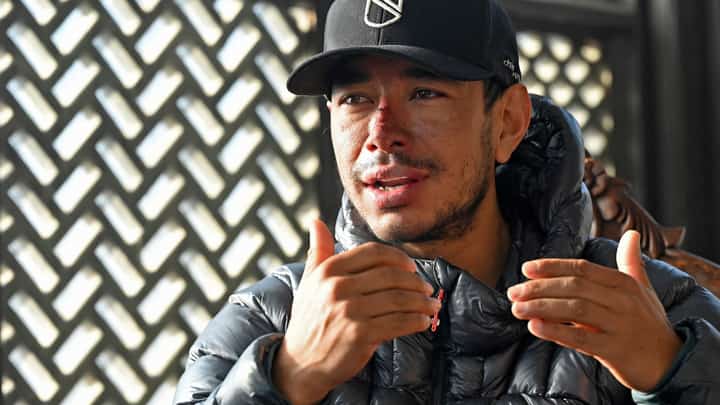
Sport has always needed heroes. We celebrate those who run faster, climb higher, endure longer, and venture where most of us would never dare go. Their achievements expand our understanding of what human beings can do.
But achievement and character are not the same thing. And perhaps one of the harder questions in sport is this: what do we do when someone worthy of athletic admiration may not be worthy of our moral admiration?
The life and legacy of mountaineer Nirmal “Nimsdai” Purja, who, along with nine others, died in an avalanche at Broad Peak in the Karakoram range in northern Pakistan last week, forced that uncomfortable question.
There is no serious denying the scale of Purja’s accomplishments. He transformed high-altitude mountaineering through a combination of extraordinary physical capacity, audacity, logistical skill and sheer force of will. His record-breaking ascent of the world’s fourteen 8,000-meter peaks (as documented in a Netflix movie) made him one of the most recognizable climbers of his generation and brought unprecedented attention to the abilities and contributions of Nepalese mountaineers.
Those accomplishments deserve to be recorded. But recording achievement is different from celebrating a man.
Purja had also faced serious allegations of sexual misconduct from women who described disturbing encounters with him. Allegations are not convictions, and fairness requires that distinction. Yet credibility matters, too. We should resist the equally simplistic position that accusations must either be treated as proven facts or ignored altogether. When deciding whom society elevates as a hero, we are entitled to consider the totality of what is credibly known and alleged about that person.
His death adds another layer of discomfort to his legacy.
Broad Peak apparently was not originally meant to be part of that expedition. But another summit carried enormous significance: it would have brought Purja tantalizingly close to completing all 14 of the world’s 8,000-meter peaks twice, without supplemental oxygen. While other climbing teams reportedly chose to stay off Broad Peak after recent heavy snowfall heightened concerns about avalanche risk, Purja saw an opportunity that may have been too consequential — and too tempting — to pass up.
In elite mountaineering, ambition is indispensable — so is judgment.
There is a thin and sometimes invisible boundary between extraordinary self-belief and hubris. The same psychological trait that allows someone to believe he can accomplish what others consider impossible can also persuade him that ordinary calculations of risk no longer apply to him. It is not difficult to conclude that hubris caused Purja’s death.
Still the outpouring of tributes came.
After Purja’s death, some women posted intensely personal recollections of him. Read individually, they may simply reflect grief and affection. Read collectively, however, they inevitably raised questions about the private life behind the carefully constructed public image of the heroic mountaineer, particularly given that he was a husband and father.
We have developed an unfortunate habit of treating athletic greatness as a form of moral absolution. Run fast enough, climb high enough, win enough championships, and uncomfortable parts of a person’s life somehow become footnotes. They shouldn’t.
The people we celebrate become symbols of what we admire. Their stories are told to children. Their names become shorthand for courage, perseverance and excellence. That gives us a responsibility to distinguish admiration for an achievement from veneration of the person who achieved it.
Records tell us what someone accomplished. Whom we choose to celebrate tells us something about ourselves.