
One prompt, endless fake satellite images
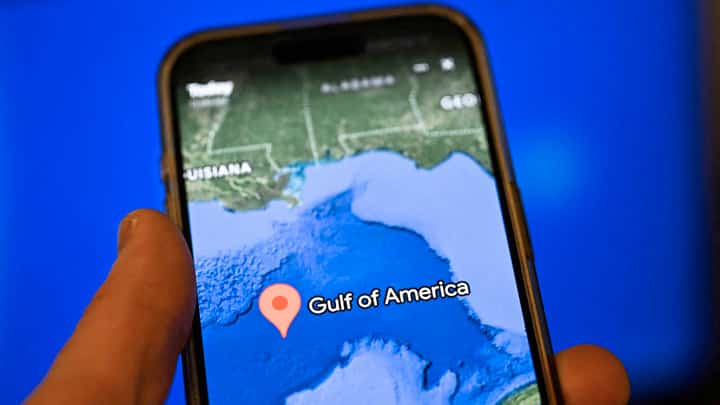
WHAT was meant to spark creativity quickly became a misinformation risk, prompting Google to pull its new AI-powered Google Earth image generator within 24 hours.
Drew ANGERER/agence france-presse
Google has disabled a new artificial intelligence feature in Google Earth just a day after its launch, following concerns that users could generate highly realistic fake satellite images of real-world locations.
The tool allowed users to modify aerial views by typing simple text prompts, creating photorealistic images based on Google’s existing satellite, aerial and 3D imagery.
While Google envisioned the feature for creative uses, such as visualizing historical landmarks or future cityscapes, researchers quickly demonstrated how it could generate convincing images of nuclear facilities, war zones, refugee camps, flooded cities, wildfires and fatal crash scenes.
Open-source intelligence researchers warned that the images could fuel misinformation because they closely resemble authentic Google Earth imagery, long regarded as a trusted source for journalists, governments and investigators.
Google said the AI-generated images were watermarked and never appeared in the public Google Earth experience, but acknowledged that screenshots of the images violated company policies and could bypass some AI-detection tools.
The company said it removed the feature while it develops additional safeguards, signaling that it plans to relaunch it with stronger protections.