
SEC tests crypto oversight with BlockShoals


THE SEC's Strategic Sandbox is putting digital assets to the test, with Binance and BlockShoals among the first to operate under the framework as regulators balance innovation with investor protection. Left to right: Atty. Maria Antonette "Tonet" Quiogue, Jen Bilango, SB Seker, and Atty. Paolo Ong.
Photo by Carl Magadia for DAILY TRIBUNE
PASAY CITY — The Securities and Exchange Commission (SEC) is positioning its regulatory sandbox as a testing ground for cryptocurrency and digital asset firms, allowing innovative financial products to enter the Philippine market under close regulatory supervision before broader rules are adopted.
Speaking during the FinTech Alliance ASEAN Manila Tech Summit on Tuesday, SEC PhiliFintech Innovation Office assistant director Paolo Ong said the sandbox was created in 2024 to address a growing number of companies seeking to introduce digital financial products that existing regulations did not yet fully accommodate.
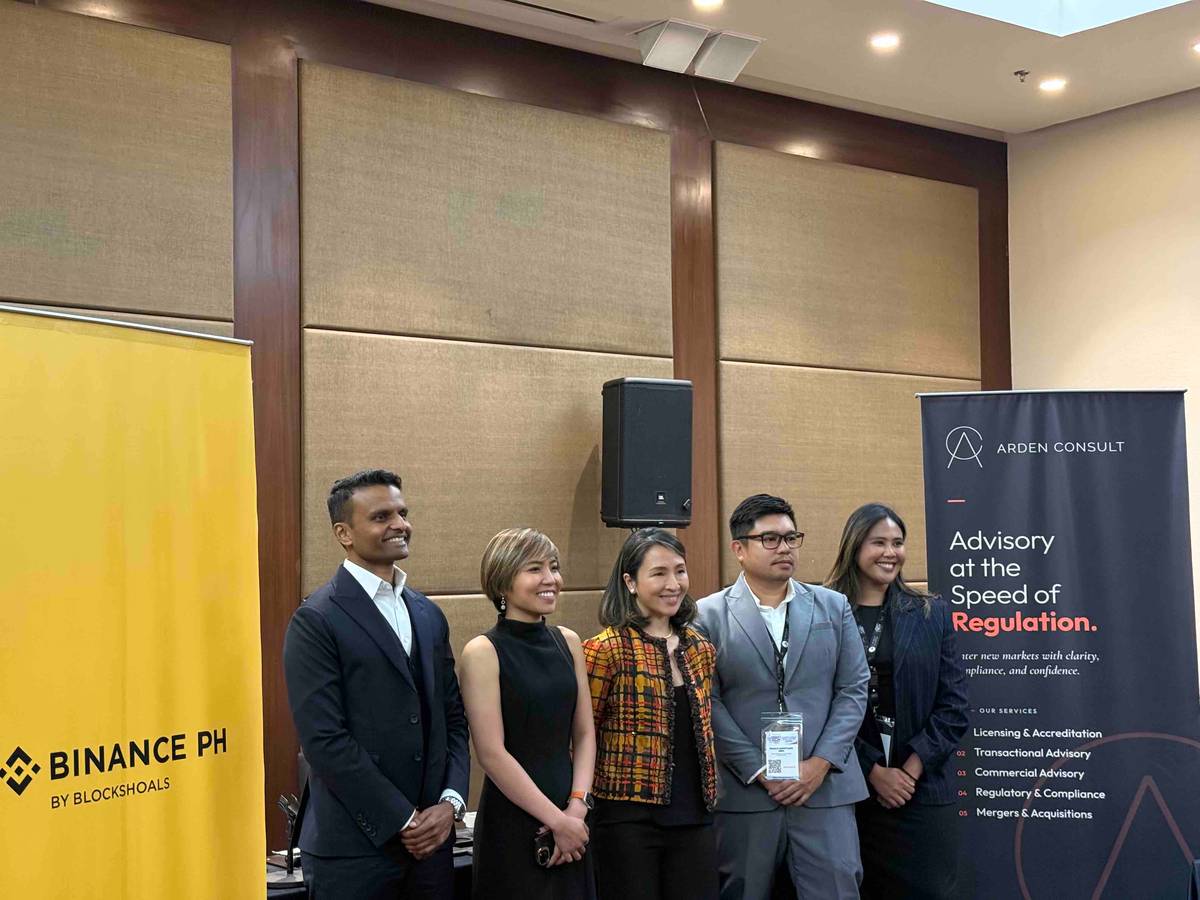
L-R. SB Seker, Jen Bilango, Tonet Quiogue, Paolo Ong, Katrina Ortiz
Photo by Carl Magadia for DAILY TRIBUNE
"The sandbox is a regulatory tool wherein a new business model or fintech product can be allowed to be offered in the Philippine market in a controlled environment," Ong said.
He said the initiative aims to bridge the gap between innovation and regulation while ensuring that investor protection remains a priority.
"The goal of the SEC is really to create an appropriate regulatory response that does not stifle innovation while making sure that the regulatory objectives are met," he said.
Among the companies currently participating in the program is BlockShoals Technologies Inc., the SEC-approved Crypto Asset Intermediary operating under the Strategic Sandbox (StratBox) framework. The company serves as the Philippine-regulated entity through which Binance's products and services are offered locally.
BlockShoals legal adviser Maria Antonette "Tonet" Quiogue said entering the sandbox followed nearly two years of collaboration with regulators to establish consumer protection measures before operations could begin.
She said the framework requires users to undergo know-your-customer procedures, compliance checks and product suitability assessments before accessing certain digital asset products. More sophisticated investment offerings will require additional knowledge tests and regulatory approval before becoming available.
The sandbox is designed to run for 24 months under a phased rollout.
Quiogue said the initial phase will begin once the company completes its integration with a Bangko Sentral ng Pilipinas-regulated virtual asset service provider, allowing users to convert Philippine pesos into digital assets. Additional products will be introduced in stages, subject to SEC approval.
BINANCE PH by BlockShoals
Photo by Carl Magadia for DAILY TRIBUNE
Binance Head of APAC SB Seker said the company voluntarily chose the sandbox model because it allows regulators to continuously review products instead of relying solely on traditional compliance reporting.
Rather than submitting periodic reports under a conventional licensing framework, the sandbox requires detailed product-by-product reporting, allowing the SEC to evaluate adoption, risks and consumer outcomes throughout the testing period, he said.
Ong said the SEC is also using the Financial Consumer Protection Act as a guide in balancing innovation with investor safeguards.
The law empowers financial regulators to adopt rules based not only on legislation but also on global best practices while ensuring investors receive sufficient information to make informed financial decisions.
Looking ahead, Ong said he hopes the sandbox will encourage more high-quality digital investment products to enter the Philippine market while maintaining strong regulatory oversight.
"We have digital platforms already and they have access to digital finance. The next step would be where they put the money they have," he said, adding that the SEC's role is to facilitate the development of more digital investment products for Filipinos.