
Picture imperfect

Picture imperfect
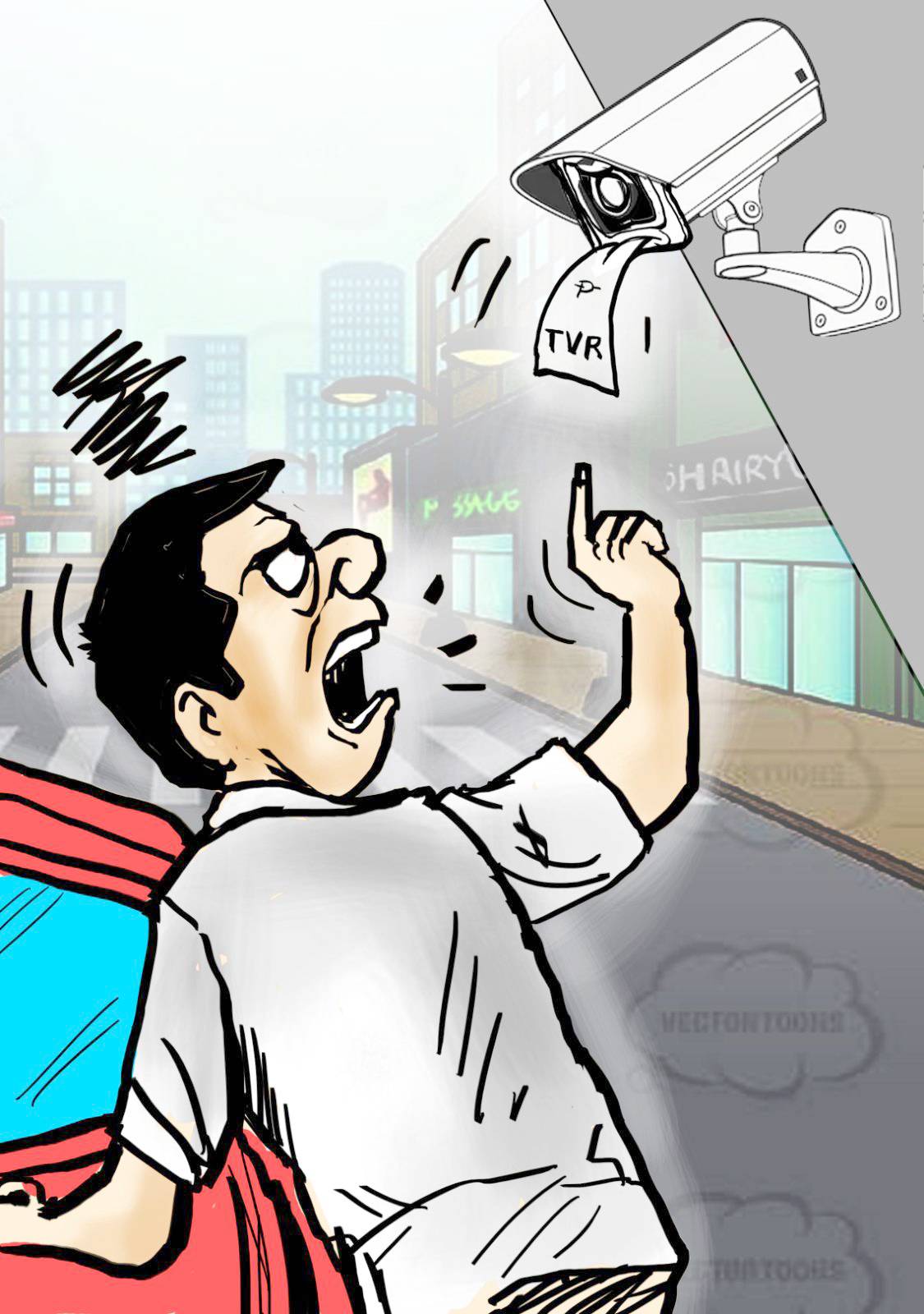
A certain legal eagle who made a name for himself rattling the cages of local traffic enforcers is back — not with another petition, but with a warning wrapped in a concession speech.
Nosy Tarsee got word that this lawyer, who once won a reprieve for beleaguered motorists against the country’s most-hated traffic camera scheme, has taken to social media to say his piece after the High Court finally settled the matter.
He says he respects the decision and that the fight was not for nothing. Then, in the same breath, he tells the local governments running these camera-and-ticket operations that they’d better not simply flip the switch back on as if nothing happened. Revisit the system, he says. Amend it. Fix what’s broken before the tickets start flying again.
Our tipster tells us the lawyer isn’t stopping at strongly worded posts either. He’s mobilizing his group of volunteer counsel and paralegals to sit down with the metro’s traffic authority, offering, of all things, free legal literacy sessions for the very drivers who’ll be caught in the next round of violations.
The seminars, we’re told, will teach motorists how to contest a ticket before the adjudication board — minus the usual runaround.
But the real tea is in the fine print of his three-point wish list, which insiders say is already circulating among traffic policy wonks.
One: Take the cameras, the software and the data out of private hands entirely. Put the whole apparatus under a government agency, whether the land transport regulator or the transport department itself, either by building the system outright or eventually acquiring it through a build-and-transfer arrangement, with a flat maintenance fee to keep costs predictable. No more revenue-sharing arrangements that leave citizens wondering who’s really profiting from their illegal left turns.
Two: One gatekeeper, and one gatekeeper only, for motorists’ personal data. Spread that database across too many hands, our source says the lawyer argues, and you’re simply inviting leaks, hacks and misuse. Consolidate it under the licensing agency and be done with it.
Three: End the fine free-for-all. Different cities, different agencies and different price tags for the same infraction have bred nothing but confusion and suspicion. He wants uniform penalties backed by actual data and study, not whatever figure sounded reasonable during a budget meeting.
Sources close to the matter say this isn’t the last we’ll hear from him. With the reprieve lifted and local governments eyeing a relaunch, insiders whisper that he’s positioning himself as the field’s self-appointed watchdog—ready to needle any LGU that reactivates its camera program without so much as a nod to the concerns that dragged the entire scheme before the Supreme Court in the first place.A certain legal eagle who made a name for himself rattling the cages of local traffic enforcers is back — not with another petition, but with a warning wrapped in a concession speech.
Nosy Tarsee got word that this lawyer, who once won a reprieve for beleaguered motorists against the country’s most-hated traffic camera scheme, has taken to social media to say his piece after the High Court finally settled the matter.
He says he respects the decision and that the fight was not for nothing. Then, in the same breath, he tells the local governments running these camera-and-ticket operations that they’d better not simply flip the switch back on as if nothing happened. Revisit the system, he says. Amend it. Fix what’s broken before the tickets start flying again.
Our tipster tells us the lawyer isn’t stopping at strongly worded posts either. He’s mobilizing his group of volunteer counsel and paralegals to sit down with the metro’s traffic authority, offering, of all things, free legal literacy sessions for the very drivers who’ll be caught in the next round of violations.
The seminars, we’re told, will teach motorists how to contest a ticket before the adjudication board — minus the usual runaround.
But the real tea is in the fine print of his three-point wish list, which insiders say is already circulating among traffic policy wonks.
One: Take the cameras, the software and the data out of private hands entirely. Put the whole apparatus under a government agency, whether the land transport regulator or the transport department itself, either by building the system outright or eventually acquiring it through a build-and-transfer arrangement, with a flat maintenance fee to keep costs predictable. No more revenue-sharing arrangements that leave citizens wondering who’s really profiting from their illegal left turns.
Two: One gatekeeper, and one gatekeeper only, for motorists’ personal data. Spread that database across too many hands, our source says the lawyer argues, and you’re simply inviting leaks, hacks and misuse. Consolidate it under the licensing agency and be done with it.
Three: End the fine free-for-all. Different cities, different agencies and different price tags for the same infraction have bred nothing but confusion and suspicion. He wants uniform penalties backed by actual data and study, not whatever figure sounded reasonable during a budget meeting.
Sources close to the matter say this isn’t the last we’ll hear from him. With the reprieve lifted and local governments eyeing a relaunch, insiders whisper that he’s positioning himself as the field’s self-appointed watchdog—ready to needle any LGU that reactivates its camera program without so much as a nod to the concerns that dragged the entire scheme before the Supreme Court in the first place.