
Monuments to Filipino freedom
From Rizal’s vision of a nation to Quezon’s work of building one, and the people’s collective action at EDSA, they remind us that freedom was never simply inherited.


Standing at the center of the nation’s capital, the Rizal Monument carries the story of the sacrifices that shaped the Filipino struggle for nationhood.
DAILY TRIBUNE IMAGES
Monuments can sometimes appear difficult to justify. Unlike roads, bridges, hospitals, or transportation systems, their contributions cannot easily be measured through daily users, revenue, or economic returns. Yet nations throughout history have continued to build them because they serve as reminders of the ideas, sacrifices and achievements that shaped the societies we live in today.
By placing these memories within our cities, monuments remind us that the conditions we inherit were built by those who came before us and carry with them the responsibility of preservation.
In the Philippines, one of the clearest examples is the Rizal Monument in Luneta. Today, it is difficult to imagine Manila without the familiar image of Dr. José Rizal standing before the Philippine flag. In 1901, the Philippine Commission passed Act No. 243, which authorized the creation of a monument in honor of Rizal. A competition was held soon after, and the chosen design was by Swiss sculptor Richard Kissling.
More than a century later, the Rizal Monument has become more than a sculpture honoring one person. It has become the setting for state ceremonies, Independence Day commemorations, visits from foreign leaders and moments of national remembrance. It also serves as Kilometer Zero, the reference point used for measuring road distances from Manila to other parts of the country.
Quezon City has a similar example with the Quezon Memorial Shrine. Designed by architect Federico Ilustre, the monument was built as a tribute to President Manuel L. Quezon. Its three pylons rise approximately 66 meters, representing Quezon’s age when he passed away in 1944.
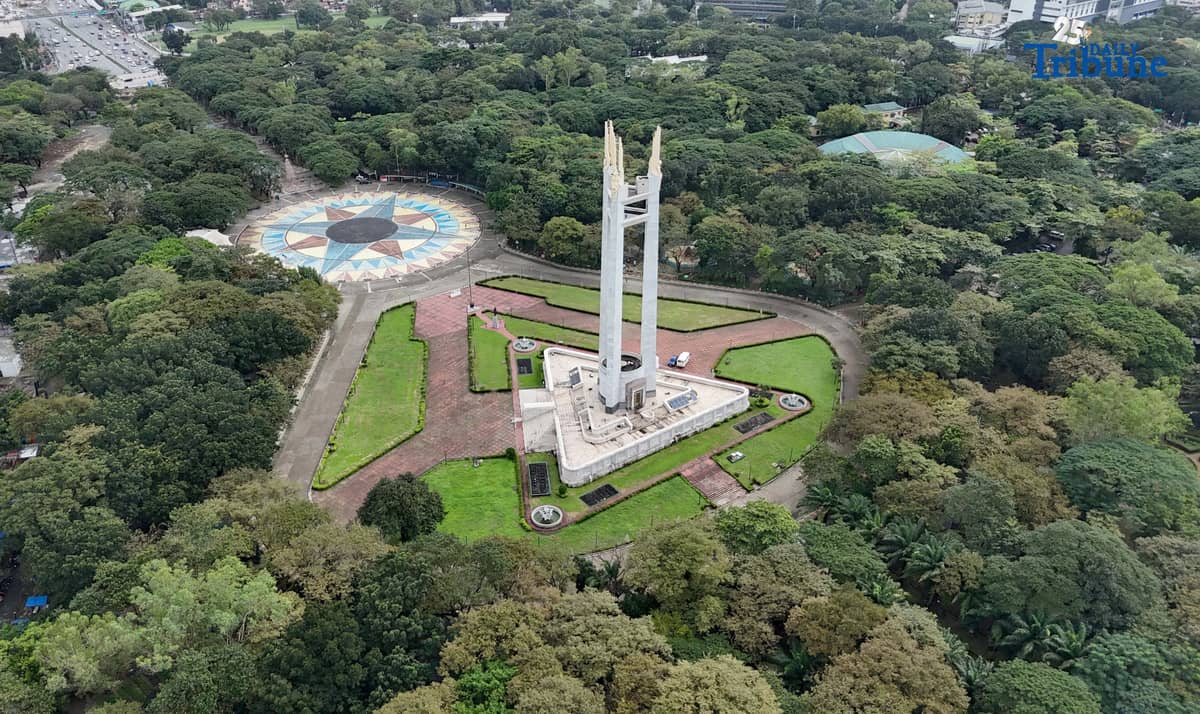
The Quezon Memorial Shrine represents the continuing work of nation-building and the enduring vision of a country shaped and governed by Filipinos themselves.
The shrine also features sculptures by Italian artist Francesco Riccardo Monti, with figures representing Luzon, Visayas and Mindanao. Over time, the monument became closely associated with Quezon City itself as its form has defined the city seal since 1975, demonstrating how architecture can become a visual representation of civic identity.
Even ordinary infrastructure can gain another layer of meaning through monuments. For many Filipinos, EDSA is associated with traffic congestion and daily commuting. Yet along this major transportation corridor are landmarks such as the EDSA Shrine and the People Power Monument, which connect the road to one of the most significant events in Philippine history.
The People Power Monument, created by sculptor Eduardo Castrillo, commemorates the 1986 People Power Revolution. Through bronze figures representing different sectors of society, the artwork gives physical form to a historical moment that otherwise exists primarily through photographs, videos, documents and personal stories.
Looking at these three monuments together reveals something interesting about the memories we choose to preserve. The Rizal Monument, the Quezon Memorial Shrine and the People Power Monument were created during different periods of Philippine history, yet they share a common theme: the long and continuing development of Filipino self-determination.
The Rizal Monument represents the awakening of Filipino national consciousness during the struggle against colonial rule. The Quezon Memorial Shrine represents the challenge of building institutions and establishing a government led by Filipinos themselves. The People Power Monument represents the role of ordinary citizens in shaping the direction of the nation.
Together, these monuments tell the continuing story of Filipino freedom. From Rizal’s vision of a nation to Quezon’s work of building one, and the people’s collective action at EDSA, they remind us that freedom was never simply inherited. It was imagined, fought for, built and safeguarded across generations.